
India invoked the devastating Bengal famine of 1943 at the United Nations Security Council (UNSC) on Monday, warning that the disruption of global food supplies caused by the Russia-Ukraine conflict could have severe humanitarian consequences for countries far removed from the battlefield.
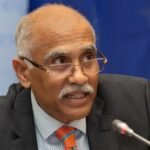
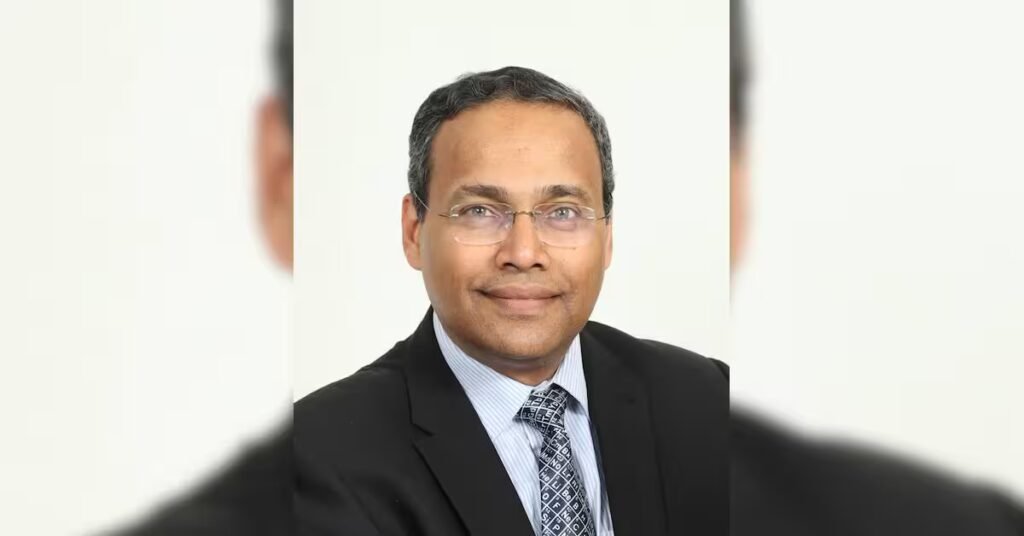
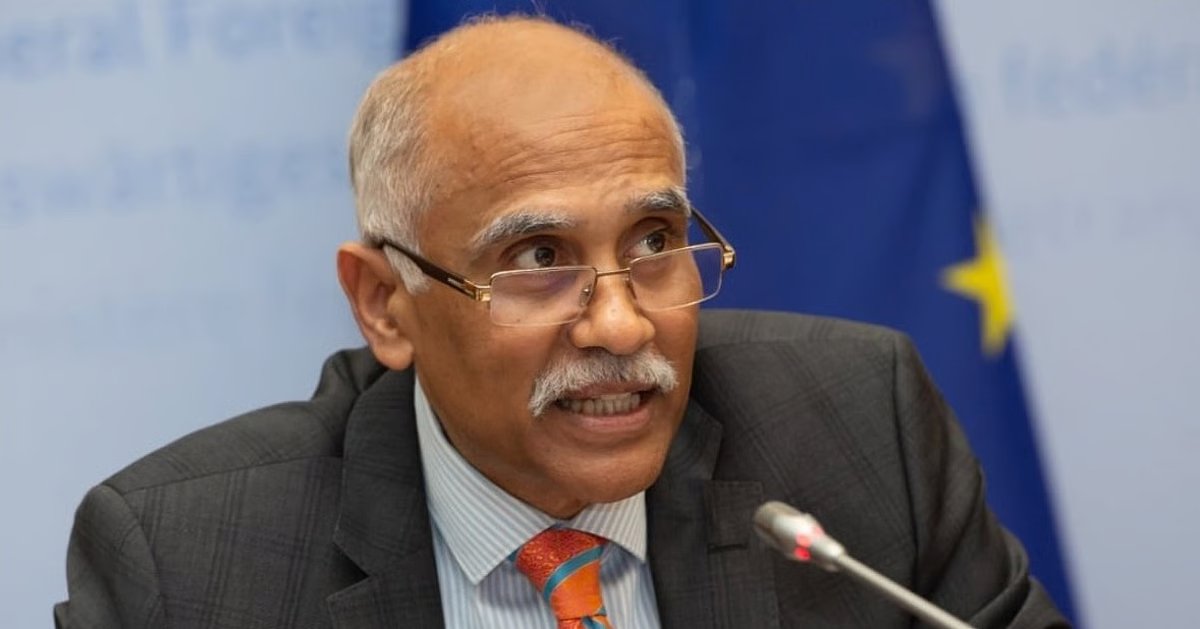
Addressing a high-level briefing on protecting critical energy infrastructure and Black Sea lifelines of global food supply, India’s Permanent Representative to the United Nations, Ambassador Harish Parvathaneni, highlighted the disproportionate burden of conflicts on the Global South.
Drawing parallels with the Second World War, Parvathaneni recalled how the Bengal famine, which claimed more than three million lives, demonstrated the catastrophic human consequences of wartime decisions taken far from affected populations.
He noted that countries not responsible for initiating conflicts often ended up suffering their unintended consequences.
𝐆𝐥𝐨𝐛𝐚𝐥 𝐒𝐨𝐮𝐭𝐡 𝐛𝐞𝐚𝐫𝐬 𝐭𝐡𝐞 𝐛𝐫𝐮𝐧𝐭
Parvathaneni said the Ukraine conflict, now in its fifth year, had affected countries worldwide owing to interconnected supply chains.
He highlighted how armed conflicts undermine agricultural production, displace communities, destroy infrastructure and obstruct humanitarian assistance.
Developing countries, he said, were particularly vulnerable to disruptions in agricultural trade, transportation and energy and fertiliser supplies.
India urged the Security Council to prioritise humanitarian access, safeguard civilian infrastructure and ensure freedom of navigation, allowing legitimate trade and humanitarian supplies to continue uninterrupted.
Parvathaneni also referred to UNSC Resolution 2417, which recognises the relationship between armed conflict and food insecurity.
𝐁𝐥𝐚𝐜𝐤 𝐒𝐞𝐚 𝐯𝐢𝐭𝐚𝐥 𝐭𝐨 𝐠𝐥𝐨𝐛𝐚𝐥 𝐟𝐨𝐨𝐝 𝐬𝐮𝐩𝐩𝐥𝐢𝐞𝐬
Highlighting the agricultural significance of the Black Sea region, Parvathaneni said the region and India together accounted for nearly 20 per cent of global cereal production.
Russia and Ukraine together account for nearly 25 per cent of global wheat, maize and barley exports.
India stressed that disruptions to agricultural production, maritime connectivity and international commerce in the region could have consequences extending well beyond Europe.
The ambassador also highlighted India’s humanitarian contributions, including wheat supplies to Afghanistan, rice shipments to Sudan and assistance to Palestine.
𝐈𝐧𝐝𝐢𝐚 𝐜𝐚𝐥𝐥𝐬 𝐟𝐨𝐫 𝐬𝐚𝐟𝐞 𝐦𝐚𝐫𝐢𝐭𝐢𝐦𝐞 𝐧𝐚𝐯𝐢𝐠𝐚𝐭𝐢𝐨𝐧
India expressed serious concern over the increasing threats to commercial vessels and their crews in the Black Sea, where Indian seafarers have lost their lives in attacks.
New Delhi called for an immediate halt to the targeting of merchant vessels and seafarers and the restoration of safe navigation through international waterways.
Parvathaneni highlighted the Group of Friends on Safety and Security of Shipping and Seafarers, launched jointly by India and Liberia.
He also said India was engaging directly with both sides of the conflict on issues concerning maritime safety and grain corridors.
𝐈𝐧𝐝𝐢𝐚 𝐫𝐞𝐢𝐭𝐞𝐫𝐚𝐭𝐞𝐬 𝐜𝐚𝐥𝐥 𝐟𝐨𝐫 𝐩𝐞𝐚𝐜𝐞
Reaffirming India’s commitment to dialogue and diplomacy, Parvathaneni said New Delhi remained willing to contribute to efforts towards a peaceful resolution of the conflict.
He recalled Prime Minister Narendra Modi’s assertion that the world must move from “endless war to the end of war”, emphasising that peace held tangible significance for developing countries struggling with food insecurity and economic disruptions.
Meanwhile, World Food Programme Executive Director Luke Lindberg warned that around 10 million tonnes of Russian and Ukrainian wheat, sufficient to feed an estimated 44 million people, might not reach international markets this year.