

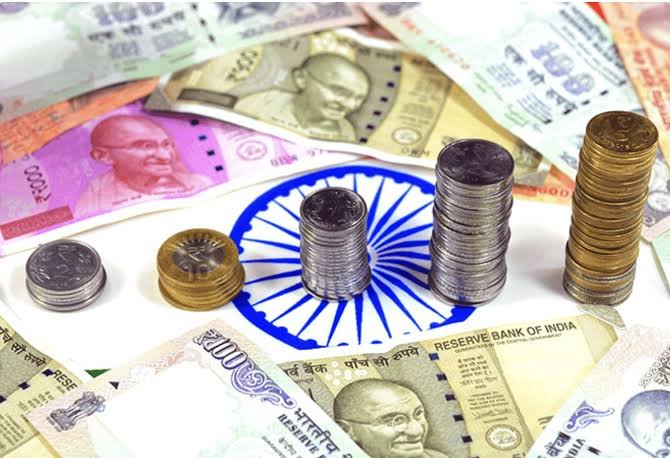
The Indian rupee fell past the crucial ₹90-per-dollar mark on Wednesday, sending ripples through financial markets and heightening worries about the country’s macroeconomic outlook. The breach — widely viewed as a psychological red line — comes after the rupee has already lost more than 5% in value since the start of the year.
What makes the slide more troubling for policymakers and markets is that it comes despite an otherwise supportive economic backdrop. Crude oil prices have softened, helping reduce India’s import bill; inflation has fallen below 1%, easing pricing pressures; and GDP growth surprised economists with an impressive 8.2% expansion in the September quarter.
Under normal circumstances, such factors would strengthen a nation’s currency. Yet the rupee continues to weaken.
Why the Rupee Is Under Pressure
Analysts point to an interplay of multiple forces rather than a single shock. Among the most influential is the persistent outflow of dollars from the domestic market, a trend driven by global investors reallocating money toward the US, where higher yields and strong economic recovery are boosting returns.
Additionally, the prolonged delay in finalising a trade deal with the United States has added to uncertainty. Market observers say the stalled negotiations are feeding speculation about India’s export prospects and future trade flows — further dampening sentiment around the rupee.
Market Sentiment Turns Cautious
The 90-level breach has intensified speculation of possible policy intervention by the Reserve Bank of India. While the RBI has historically stepped in to prevent sharp volatility, economists believe the central bank may prefer not to aggressively defend a particular exchange rate unless disruption escalates.
For now, investor mood remains cautious. With the global dollar still strengthening and fund outflows showing little signs of slowing, traders expect the rupee to remain under pressure in the near term.
What Lies Ahead
Experts warn that while India’s growth fundamentals remain robust, currency stability will depend on restoring investor confidence. A breakthrough in the pending US trade negotiations, a moderation in global dollar strength, or a reversal in foreign capital flows could help stabilise the rupee.
Until then, the currency’s movement will likely remain a key barometer of market sentiment — and a crucial variable for India’s broader economic outlook.