

The Union government is expected to introduce two key Bills in the Lok Sabha on Monday to replace the existing GST compensation cess on demerit goods such as cigarettes and pan masala, marking a significant shift in the taxation structure for such products. The introduction will take place on the first day of the winter session of Parliament.
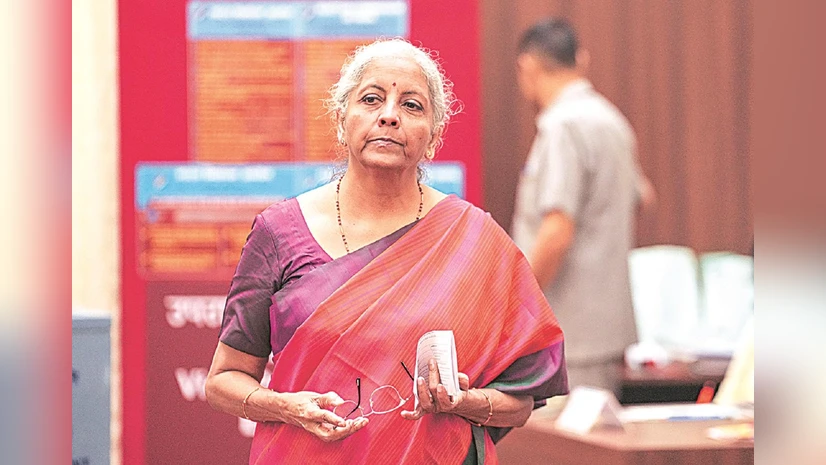
According to officials, Finance Minister Nirmala Sitharaman will table the Central Excise Amendment Bill, 2025 and The Health Security se National Security Cess Bill, 2025, following the GST Council’s approval to devise a mechanism to continue taxing demerit goods after the expiry of the GST compensation cess.
How the Proposal Will Work
Sources indicate that the Central Excise Amendment Bill will replace the current compensation cess on tobacco products, allowing the Centre to levy excise duty on cigarettes and related goods. Meanwhile, the cess on pan masala will be restructured through a separate levy under the Health Security se National Security Cess Bill, which will tax machines or other processes used for manufacturing pan masala, rather than the product alone.
Officials clarified that there will be no increase in the overall tax burden on these products at present. For example, taxes on cigarettes currently amount to 50–60% of the retail price, and this rate is expected to remain unchanged.
Purpose of the New Cess
The Centre aims to utilise the new levy to finance national security and public health initiatives. Earlier, the Ministry of Defence had proposed a cess for national security while making recommendations to the 15th Finance Commission. Although the commission rejected the cess proposal at that time, it suggested establishing a non-lapsable fund instead.
Industry and Expert Reactions
Abhishek Jain, Partner and Head of Indirect Tax at KPMG, said the move was anticipated:
“In line with the GST Council announcement, the government may be doing away with GST compensation cess on tobacco products, and the proposed Bills could serve as a replacement mechanism.”
Background
The GST compensation cess was introduced on July 1, 2017, for five years to compensate states for revenue loss after the rollout of GST. It was later extended beyond 2022 due to pandemic-induced revenue disruptions, prompting the Centre to borrow to continue compensating states.
In September 2024, the GST Council removed the compensation cess on most products, retaining it only for tobacco. Cess on other luxury goods ended on September 22, coinciding with the shift to a new GST structure with two slabs — 5% and 18%, while ultra-luxury goods and aerated drinks attract a 40% rate.
Former CBIC Chairman Sanjay Kumar Agarwal had indicated in an interview that repayment of the compensation cess-linked loans would be completed by December 2024, after which the new levy on tobacco products would take effect.