

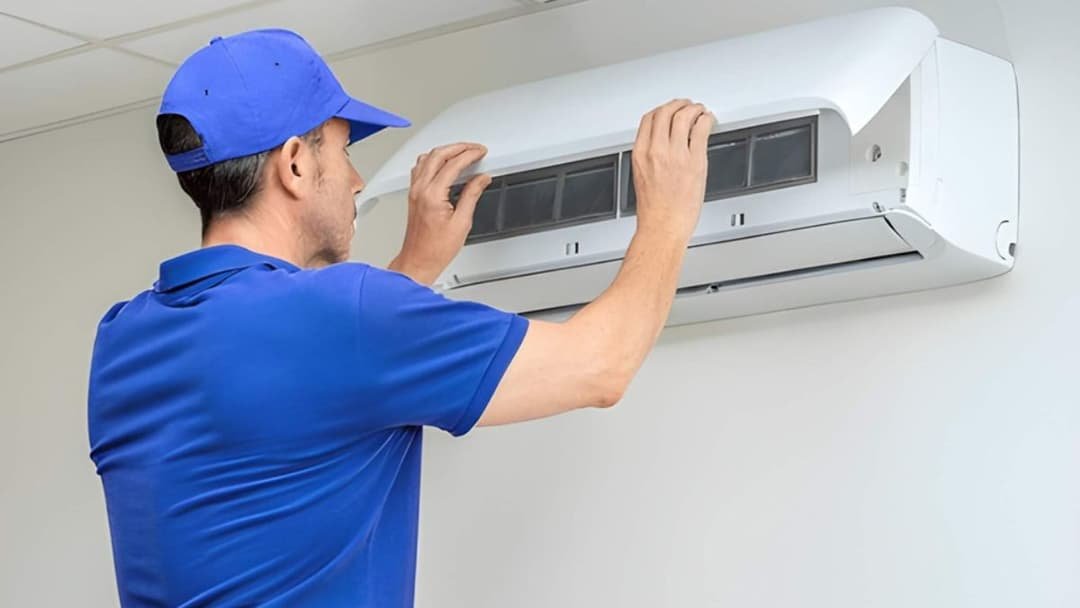
New Delhi:— As temperatures begin to climb across India, air conditioners are becoming essential household appliances. However, experts warn that many cooling systems fail during peak summer due to poor maintenance—an issue that can largely be avoided with simple, regular care.
According to industry estimates, routine servicing and basic upkeep can extend an air conditioner’s lifespan by several years and reduce electricity consumption by up to 15%, helping households avoid costly emergency repairs.
⚠️ Why Air Conditioners Break Down
Technicians point to a few common causes behind most AC failures:
- Dirty or clogged filters: Restrict airflow and strain the system
- Compressor overload: Caused by continuous operation under poor conditions
- Refrigerant leaks: Reduce cooling efficiency and damage internal components
- Low refrigerant levels: Lead to weak cooling and long-term wear
- Electrical faults: Including wiring issues or capacitor failure
- Outdoor unit blockage: Dust, debris, or plants restricting airflow
- Improper installation (window ACs): Causes leakage and poor cooling
🛠️ Basic AC Maintenance Every Homeowner Can Do
Experts say homeowners don’t need technical skills to perform essential maintenance tasks.
1. Clean or Replace Filters Regularly
Filters should be checked every 2–3 weeks, especially in dusty environments.
- Wash reusable filters with mild detergent
- Replace disposable filters when clogged
- Never operate the AC without a filter
Clean filters can improve efficiency and reduce power usage by up to 15%.
2. Keep the Outdoor Unit Clean
The condenser unit must remain unobstructed for proper heat release.
- Remove dust and debris using a soft brush or vacuum
- Ensure no plants or objects block airflow
- Check drainage holes in window ACs
3. Check Airflow and Ventilation
Weak airflow may indicate internal issues.
- Ensure vents are open and not blocked
- Check for obstructions like curtains or furniture
- Monitor airflow strength regularly
4. Inspect Thermostat Settings
Incorrect settings can increase electricity usage.
- Ideal temperature range: 24°C to 26°C
- Lower settings force longer compressor operation
- Test thermostat response periodically
5. Watch for Warning Signs
Early detection can prevent major repairs.
- Unusual noises: Grinding or rattling
- Strange odors: Musty (mold) or burning (electrical issue)
- Reduced cooling performance
🌡️ Pre-Summer Maintenance Is Critical
Experts recommend preparing your AC 2–3 weeks before peak summer:
- Deep clean filters and coils
- Inspect power cords and plugs
- Check installation seals (for window ACs)
- Clear drain lines to prevent water leakage
- Run the unit in fan mode before cooling
Scheduling professional servicing early can also help avoid peak-season delays and higher costs.
👨🔧 When to Call a Professional
While basic maintenance is DIY-friendly, some issues require expert help:
- Refrigerant leaks (ice formation or hissing sound)
- Electrical failures or burning smell
- Water leakage inside the home
- AC blowing warm air despite proper settings
Annual professional servicing typically costs ₹500 to ₹1,500, a small investment compared to major repair costs.
🏠 Long-Term Benefits
Regular AC maintenance offers several advantages:
- Lower electricity bills
- Fewer breakdowns
- Longer appliance lifespan (10–15 years)
- Consistent cooling performance
Many manufacturers, including Voltas, emphasize durability and performance, but proper maintenance remains key to maximizing efficiency.
📌 Bottom Line
With rising summer temperatures, maintaining your air conditioner is no longer optional—it’s essential. Simple monthly checks and timely servicing can save money, improve performance, and ensure uninterrupted comfort during the hottest months of the year.
If you want, I can also convert this into a TV news script, short reel script, or Hindi news format.