

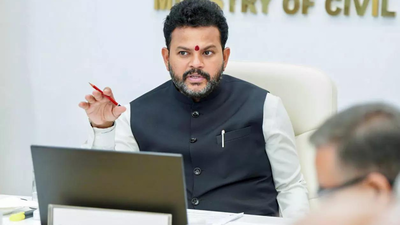

New Delhi. Union Civil Aviation Minister Ram Mohan Naidu on Friday addressed Parliament on the rapid growth of India’s aviation sector, its challenges, rising airfares, and the government’s intervention during crisis situations. Speaking in the Lok Sabha, he emphasized that under Prime Minister Narendra Modi’s leadership, the aviation sector has become more connected to the common people—captured in the popular phrase “Hawai chappal se hawai jahaj tak.”
“Govt Cannot Fix Airfares for the Entire Year” — Minister
Responding to concerns regarding rising flight prices, the minister made it clear that airfares cannot be fixed for an entire year, since ticket prices naturally fluctuate based on demand and supply.
He explained:
- During festivals or special occasions—such as Onam in Kerala—fares on certain routes may temporarily rise.
- But this trend does not continue throughout the year.
- In normal circumstances, market dynamics decide ticket prices, not the government.
Government Can Step In During Extraordinary Situations
While defending the deregulated structure of the aviation sector, Ram Mohan Naidu stressed that the government does have the authority to cap airfares during extraordinary situations.
He cited multiple examples when the Centre intervened to protect passengers from steep fare hikes:
- Covid-19 pandemic
- Prayagraj Kumbh Mela
- Pahalgam terror attack
- The recent IndiGo operational crisis
During such situations, the ministry temporarily imposed fare caps to prevent airlines from charging exorbitant prices.
What the Minister Said on the IndiGo Crisis
Naidu informed Parliament that a significant reduction in IndiGo’s operational capacity led to mass flight disruptions, cancellations, and pressure on other routes.
He said that if the government had not intervened, airfares could have skyrocketed.
To stabilize the situation, the ministry issued an order capping maximum fares based on flight distance:
- Up to 500 km: Max ₹7,500
- 500–1,000 km: Max ₹12,000
- 1,000–1,500 km: Max ₹15,000
- Above 1,500 km: Max ₹18,000
This ensured passengers were safeguarded from sudden, unreasonable fare hikes.
Aviation Sector Deregulated to Encourage Competition
The minister reiterated that the sector has been deregulated to allow more players to enter the market and promote healthy competition—ultimately benefiting passengers.
However, he clarified that the government’s priority remains ensuring that the sector stays accessible to ordinary citizens, in line with PM Modi’s vision.
Conclusion
With India’s aviation industry expanding at a record pace, the government says it balances market-driven pricing with timely intervention during crises. While fares rise during peak demand periods, the aviation ministry maintains that such fluctuations are temporary—not a reflection of year-round pricing.