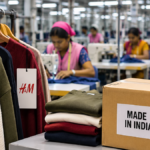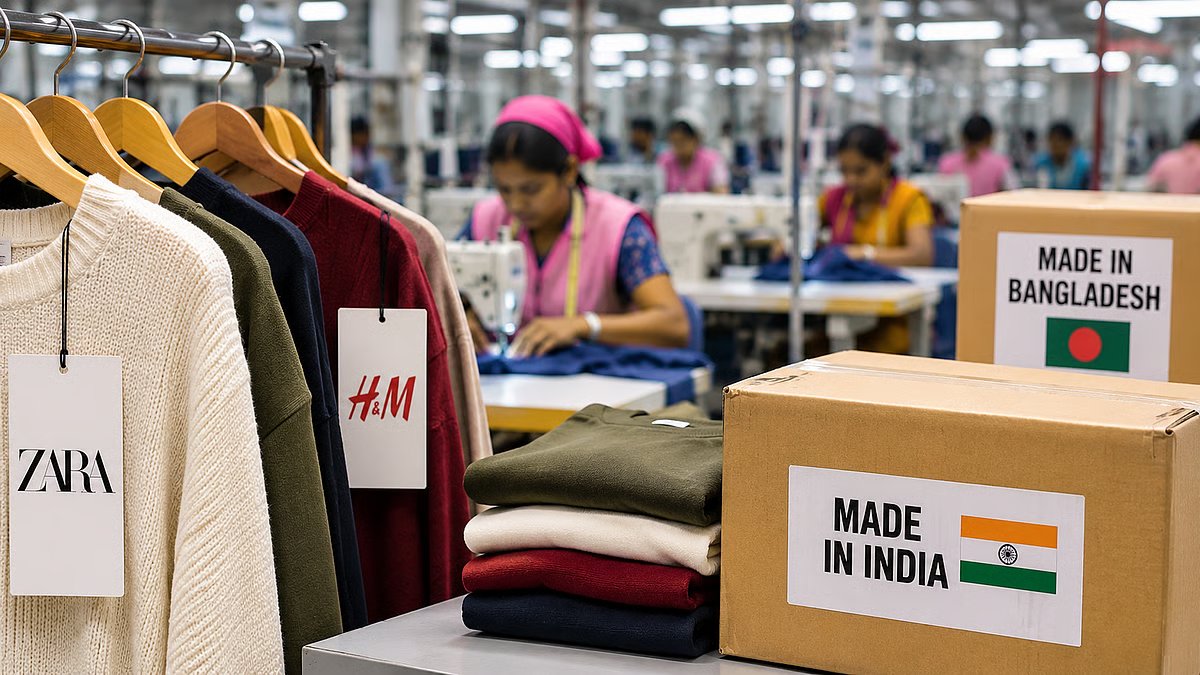

Global fashion brands, including Zara and H&M, are shifting a growing share of their garment orders from Bangladesh to other Asian manufacturing hubs, with India emerging as the biggest beneficiary amid labour unrest and rising production costs. Factory owners said retailers diverted orders worth around $254 million between November 1 and 18, raising concerns that the disruption could have a lasting impact on Bangladesh’s garment industry.
According to a Reuters report, brands such as Zara, H&M, Marks & Spencer and Celio have moved orders to alternative sourcing destinations, with India receiving the bulk of the business. Vietnam, Cambodia and Indonesia are also attracting buyers looking to reduce supply-chain risks and ensure timely deliveries.
The developments pose a challenge for Bangladesh, the world’s second-largest apparel exporter after China, as the garment sector contributes more than 80 per cent of the country’s export earnings and nearly 40 per cent of its manufacturing jobs.
India gains as Bangladesh faces production setbacks
The unrest has already caused more than $400 million in production losses, according to the Bangladesh Garment Manufacturers and Exporters Association (BGMEA).
Factory owners said manufacturers were facing mounting pressure from labour disruptions, energy shortages and rising costs. The situation worsened after Bangladesh approved a 36 per cent increase in minimum wages for garment workers on Wednesday. The hike fell short of workers’ demands for more than double their existing wages, triggering fresh clashes with police.
Abdur Rahman Tarafder, secretary of the Ministry of Labour and Employment, described the increase as “satisfactory” and expressed hope that workers would resume duties from Saturday.
However, union representatives questioned the decision to divert orders. Babul Akhter, a workers’ representative on the government-appointed wage board, said such moves were “hard to justify”, raising “serious doubts” about whether the unrest was being used as an excuse to shift production.
Faster deliveries give India an advantage
Apart from labour costs, delivery timelines are emerging as a major factor in sourcing decisions. BGMEA director M Mohiuddin Chowdhury said India could offer buyers a delivery advantage of about a week, while Vietnam and Cambodia could reduce lead times by up to 15 days.
Manufacturers in these countries can typically complete production and delivery within 60 to 90 days, compared with around 120 days in Bangladesh.
Meanwhile, disruptions have cost factories around Dhaka an estimated 20 to 25 production days, forcing some manufacturers to consider overtime and expensive air freight to meet deadlines.
Bangladesh fears losing long-term business
Khan Monirul Alam, managing director of Alps Apparels Group, said the unrest had already affected fresh orders.
“Since November 1, most of my buyers have stopped placing orders because of the unrest,” Alam said. “They are telling us our orders have been shifted, postponed or cancelled and that they have already found alternative solutions.”
Political uncertainty surrounding former prime minister Sheikh Hasina’s possible return to Dhaka from India has added to industry concerns.
Chowdhury warned that orders shifted during the unrest might not return even after conditions improve. “The challenge is restoring buyers’ confidence before temporary shifts become long-term sourcing decisions,” he said. “Brands have options. They will not wait for us if instability persists.”