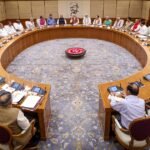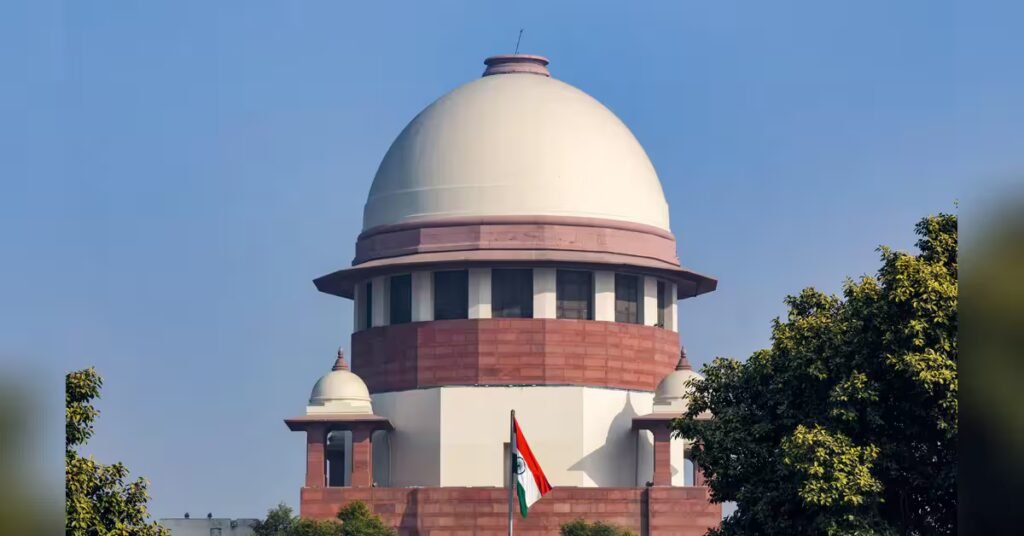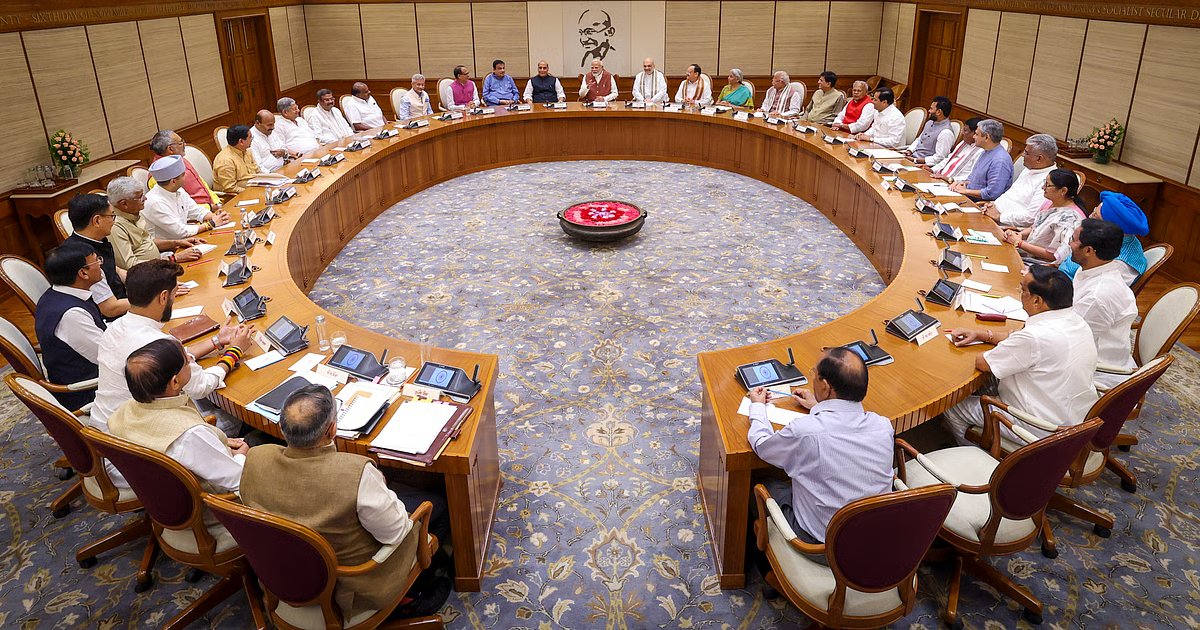

The Union Cabinet has approved a proposal to expand the Lok Sabha’s strength by 50 per cent across all states, while keeping the allocation of seats frozen for 25 years, until 2051. The move comes ahead of the revised delimitation bill, which the Centre plans to introduce in Parliament next week.
Under the proposal, the strength of the Lower House will increase from its current 543 seats to 850. The uniform increase across states addresses a key concern raised by southern states, which had opposed linking delimitation directly to population figures in the next Census.
The Cabinet’s decision is part of the Centre’s renewed push to secure passage of the legislation, which is also linked to the implementation of 33 per cent reservation for women in Parliament. A special sitting, described as an extension of the Monsoon session, has been convened from November 30.
Why the Centre has changed its approach
The latest proposal follows the defeat of the Constitution (131st Amendment) Bill, which the government introduced during a special Parliament session in April.
The earlier legislation tied the delimitation exercise to the next Census, drawing opposition from parties that feared such a process could alter the balance of representation between states. It was the first bill introduced by the Modi government to be defeated in Parliament.
Southern states had particularly objected to a population-based redistribution of seats. They argued that states in the north, where population growth has been higher, could gain a larger share of parliamentary representation, while southern states that had made greater progress in population control could lose ground.
By providing for a uniform 50 per cent increase, the Centre has sought to address this concern and delink the proposed expansion from the Census.
Questions over proportional representation remain
However, the proposed increase does not automatically settle the debate over how seats will be distributed among states. The opposition had earlier raised concerns not just about the overall number of seats, but also about maintaining proportional representation between states.
The Lok Sabha’s strength was last revised in the 1970s, when it was fixed at 543 seats based on the 1971 Census. Any further change has since been deferred twice.
The revised bill is now expected to face scrutiny when Parliament meets next week.