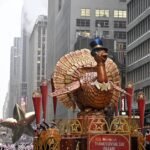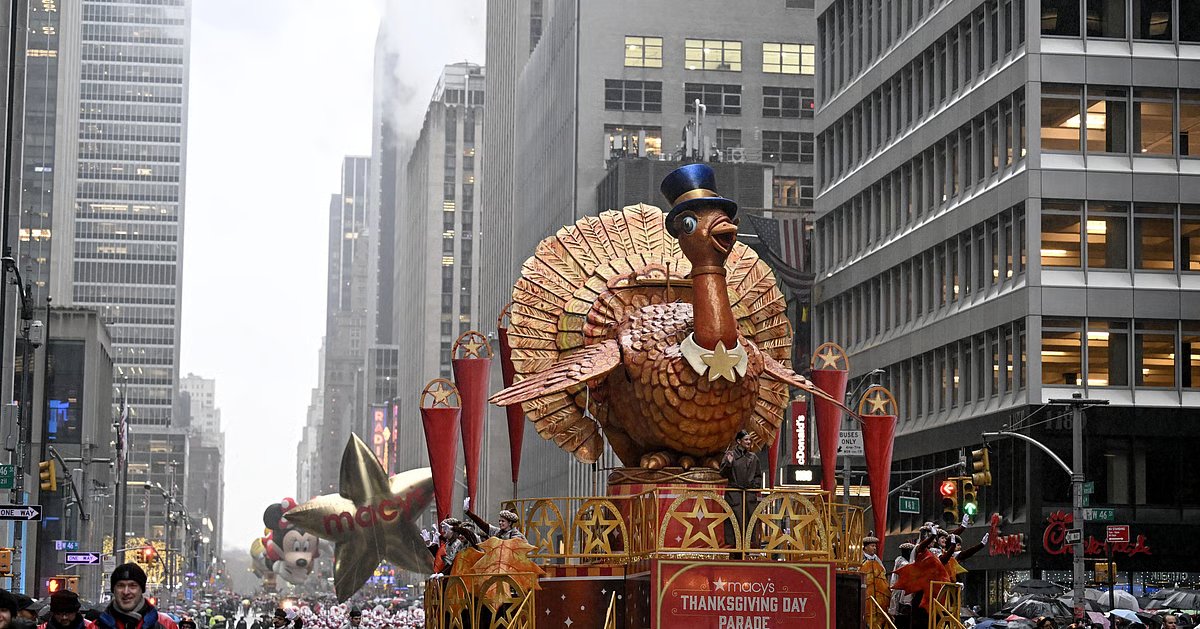

The iconic Macy’s Thanksgiving Day Parade has been postponed for the first time in its 100-year history, with organisers moving the landmark event from Thursday to Saturday amid forecasts of severe weather in New York City.
The 100th edition of the annual parade, which was scheduled to begin at 8.30 am on Thursday, November 26, will now take place at 8.30 am on Saturday, November 28.
The decision was announced by Macy’s on Wednesday after consultations with city officials and public safety agencies. Organisers said the move was necessary to ensure the safety of performers, participants and spectators as a powerful coastal storm approaches the region.
“The safety of our participants and spectators is our top priority, and after close consultation with our City and agency partners, we have made the decision to move this year’s celebration,” Macy’s said in a statement.
Severe weather prompts historic decision
The postponement comes as New York City braces for a major storm expected to bring strong winds, heavy rain and the risk of coastal flooding.
Forecasts have warned of wind gusts reaching up to 65 mph in parts of the region, raising concerns over the safety of the parade’s giant character balloons and the thousands of people expected to line its route.
The city’s balloon safety regulations restrict the flying of large parade balloons when wind conditions exceed specified limits. Strong gusts can make the enormous inflatables difficult to control, potentially putting spectators and parade participants at risk.
City officials and organisers decided to reschedule the event rather than proceed under hazardous conditions.
A century-old tradition disrupted
The Macy’s Thanksgiving Day Parade is one of the most recognisable events associated with the American holiday. First held in 1924, the parade has become a major annual attraction, drawing large crowds to Manhattan and millions of viewers watching its television broadcast.
The 2026 edition was set to mark the parade’s 100th anniversary, making the postponement particularly significant.
Although the parade has faced disruptions in the past, it had never previously been postponed because of weather.
The event was suspended for three consecutive years, from 1942 to 1944, during the Second World War, when materials such as helium and rubber were diverted for military use. In 1971, strong winds grounded the parade’s giant balloons, but the procession itself continued.
Organisers prepare for Saturday
Macy’s and its partners are now working to adjust the arrangements for the rescheduled event, including logistics involving performers, volunteers, floats and the parade’s signature balloons.
The change is expected to affect thousands of people who had planned to attend the parade on Thanksgiving Day, as well as participants travelling from across the country.
New York City Mayor Zohran Mamdani said the decision had been taken with public safety as the foremost consideration, acknowledging that the change would cause inconvenience to those looking forward to the celebration.
The parade is expected to return on Saturday, when weather conditions are forecast to be more favourable.
The historic postponement marks an unprecedented moment for an event that has endured nearly a century of celebrations, becoming a fixture of Thanksgiving in the United States.