


After decades of stability in its executive ranks, Apple is now navigating its most significant wave of leadership departures since the era of Steve Jobs — raising questions about the company’s future in AI, innovation and succession.
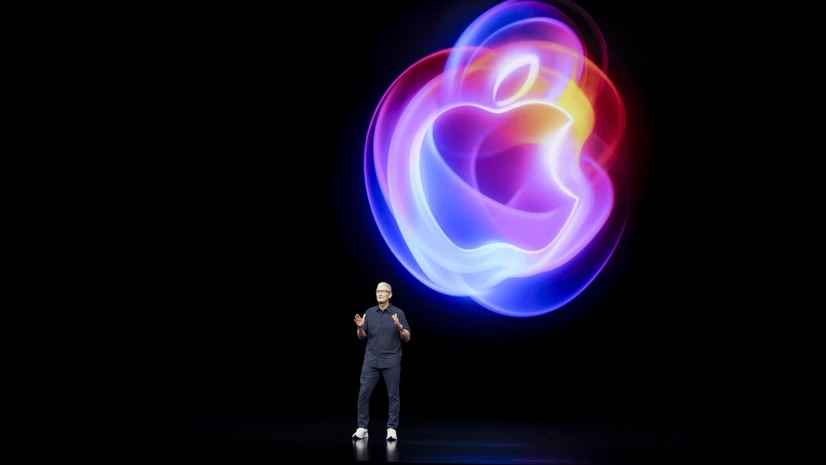
Apple Inc., long regarded as Silicon Valley’s most stable executive fortress, is witnessing an unexpected leadership shake-up. In December alone, four senior executives reporting directly to CEO Tim Cook announced their exits or upcoming retirements, capping a year that saw more than a dozen top AI and design leaders depart for rivals including Meta and OpenAI.
While the resignations may seem like inside-baseball corporate news, analysts warn that the shift carries real implications. With Apple locked in an intense race for AI dominance and increasingly dependent on hardware-led breakthroughs, the sudden talent drain comes at a critical moment.
Who Is Leaving — and Why It Matters
The recent departures include some of Apple’s most influential voices:
- John Giannandrea, senior VP of Machine Learning and AI Strategy, will retire in 2026 after being gradually removed from the leadership of Apple’s AI programme.
- Alan Dye, head of Human Interface Design — the man behind the look of iOS, watchOS and Vision Pro — is leaving for Meta’s Reality Labs.
- Kate Adams, general counsel since 2017, will retire after eight years in the role.
- Lisa Jackson, policy and environmental chief, will also step down in 2026.
These exits follow the November retirement of Chief Operating Officer Jeff Williams, long seen as Tim Cook’s closest lieutenant and one of the top candidates to eventually succeed him. Meanwhile, CFO Luca Maestri has reportedly reduced responsibilities ahead of a future retirement, adding to uncertainty in Apple’s executive bench.
The most concerning potential departure is Johny Srouji, the senior VP of Hardware Technologies and the mastermind of Apple Silicon chips — widely considered one of the company’s strongest competitive advantages. Reports suggest Cook is offering expanded power and possibly a future CTO role to persuade him to stay.
What’s Driving Apple’s Brain Drain?
Analysts point to three major forces:
- Timing and age — Many Apple leaders joined during the Jobs era and are nearing retirement age.
- The AI talent war — Meta and OpenAI are poaching top Apple engineers with massive pay packages and more aggressive research mandates.
- Internal frustration over strategic pace — Apple is viewed as moving too slowly on AI product rollouts, and reports indicate internal disappointment around delayed launches of advanced Siri features and the broader “Apple Intelligence” platform.
A recurring complaint, according to Business Insider, is that Apple has become overly cautious and risk-averse — the opposite of the bold culture that once defined it.
Is Apple Facing a “Jack Welch Moment”?
Some investors see parallels between the instability at Apple and the succession race inside General Electric under Jack Welch in the 1990s. Welch publicly groomed three successors, ultimately selecting Jeff Immelt — prompting the other two to leave and taking leadership continuity with them.
Apple’s situation is different, but the shadow of succession hangs over Cupertino too:
- Tim Cook, now 65, is not expected to step down soon.
- His successor remains unclear, especially after the retirement of Jeff Williams.
- Senior talent departures make building a strong next generation of leadership more urgent.
Unlike GE during Welch’s era, Apple is financially robust, holds enormous cash reserves and has far more focused product lines. Still, the risk is clear: a company known for smooth leadership continuity is now entering unfamiliar territory.
A Turning Point — Not a Crisis (Yet)
Experts believe the situation is far from an existential threat. Apple continues to post strong revenues, and its ecosystem remains one of the world’s most defensible business models. But the concentration of recent resignations exposes how heavily Apple relied on a small group of trusted executives for its AI and design direction.
As the global AI and hardware race intensifies, whether Apple’s next generation of leaders can deliver a second golden era will determine the company’s long-term trajectory.
For now, the world’s most valuable tech company is facing a test it has not seen since Steve Jobs — and the outcome may define Apple’s next decade.