
Union Home Minister Amit Shah on Thursday claimed that Kashmir had become free of India-born terrorists for the first time in 35 years following the killing of Lashkar-e-Taiba (LeT) terrorist Latif Bhat, describing the development as a significant milestone in India’s fight against terrorism.
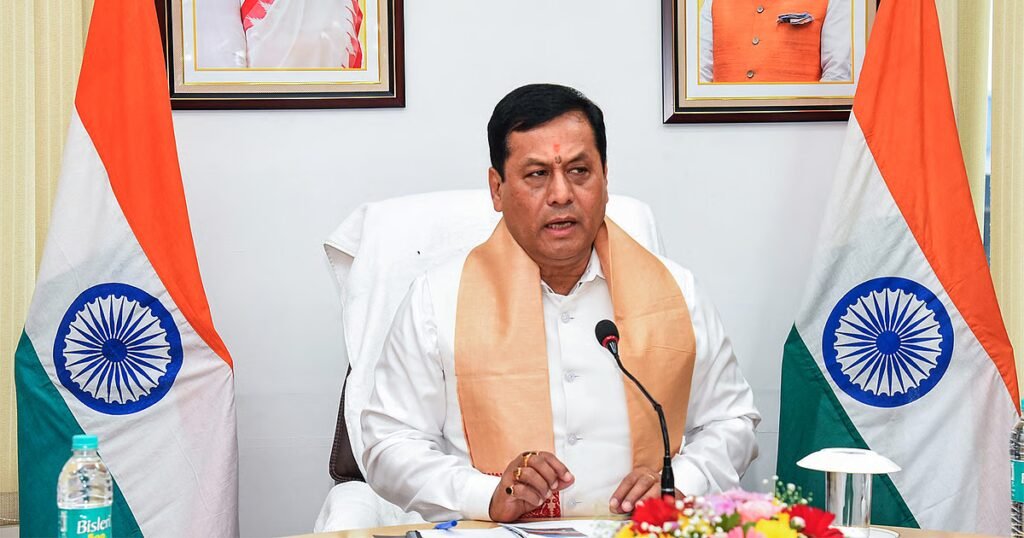
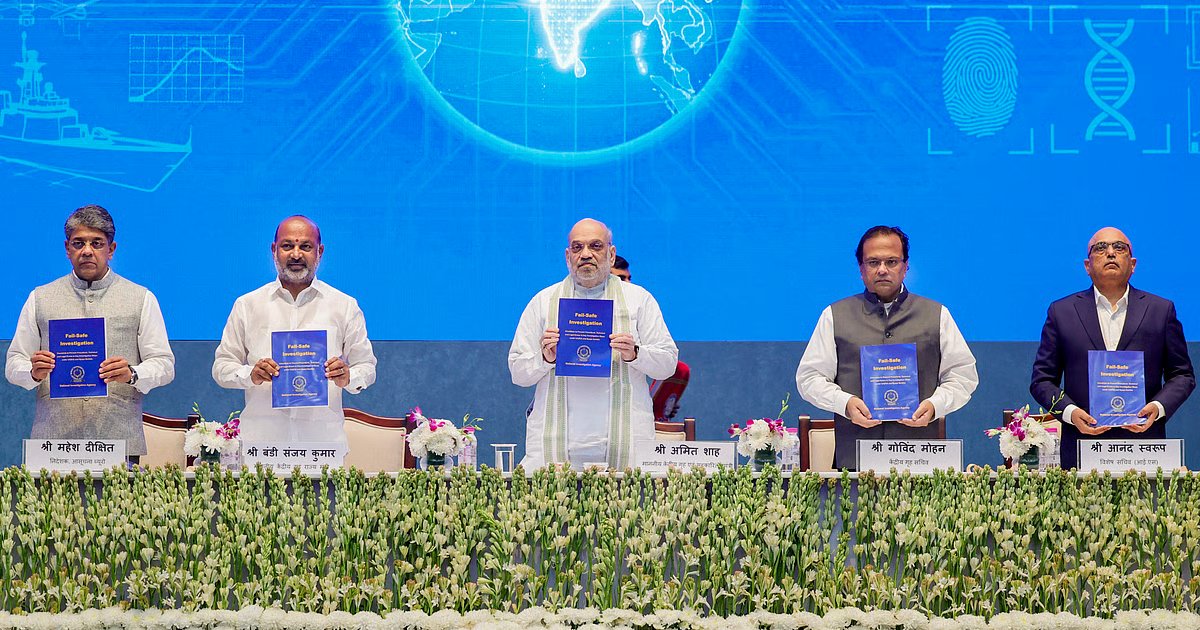
Addressing the inaugural session of a two-day counter-terrorism conference organised by the National Investigation Agency (NIA) in New Delhi, Shah said recent security operations had strengthened the country’s counter-terrorism efforts.
He said the elimination of Bhat on Wednesday had resulted in Kashmir having no remaining locally recruited terrorists born in India.
The Home Minister also announced that the Centre was developing a uniform counter-terrorism strategy extending to police stations across the country to strengthen coordination between security agencies.
𝐒𝐡𝐚𝐡 𝐡𝐚𝐢𝐥𝐬 𝐬𝐞𝐜𝐮𝐫𝐢𝐭𝐲 𝐦𝐢𝐥𝐞𝐬𝐭𝐨𝐧𝐞
Shah said India had confronted terrorism for decades, with police forces in different states adopting varying approaches to the threat.
He acknowledged that inadequate coordination among agencies had historically created challenges, adding that successive governments had undertaken measures to address these shortcomings.
The Home Minister said the government was now establishing a system under which police stations across the country would follow a coordinated strategy against terrorism.
He described the claimed elimination of locally recruited terrorists from Kashmir as an important achievement but stressed the need for sustained action against terrorist organisations and their support networks.
𝐎𝐯𝐞𝐫 𝟐𝟕𝟏 𝐚𝐫𝐫𝐞𝐬𝐭𝐞𝐝 𝐢𝐧 𝐭𝐞𝐫𝐫𝐨𝐫 𝐜𝐫𝐚𝐜𝐤𝐝𝐨𝐰𝐧
Highlighting action against organised terror networks, Shah said the Shahzad Bhatti network had been designated a terrorist organisation under the Unlawful Activities (Prevention) Act (UAPA).
He said security agencies had dismantled more than 40 modules associated with the network across the country.
According to Shah, more than 100 cases had been registered and over 271 people arrested in operations targeting the network.
He said effective counter-terrorism operations should focus on identifying and arresting suspects before they could execute attacks.
The Home Minister urged state police forces to examine successful preventive operations and incorporate similar approaches into their own security strategies.
𝐅𝐨𝐜𝐮𝐬 𝐨𝐧 𝐭𝐞𝐫𝐫𝐨𝐫 𝐟𝐢𝐧𝐚𝐧𝐜𝐢𝐧𝐠
Shah emphasised the need to target entire terrorist networks rather than concentrating only on individuals directly involved in attacks.
He called for closer coordination between counter-terrorism agencies and financial investigation authorities to identify and disrupt funding channels.
The Home Minister said intelligence sharing needed to become faster and more effective, with information collected at police stations reaching senior officers through clearly defined channels.
He also stressed the importance of strengthening cyber expertise within state Anti-Terrorism Squads, noting the increasing use of technology in terrorist activities.
Shah advocated a proactive approach combining intelligence gathering, operational preparedness, modernisation and coordinated investigations.
𝐍𝐈𝐀 𝐢𝐧𝐢𝐭𝐢𝐚𝐭𝐢𝐯𝐞𝐬 𝐮𝐧𝐯𝐞𝐢𝐥𝐞𝐝
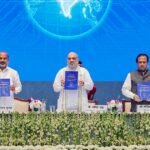
During the conference, Shah released an NIA publication titled Fail-Safe Investigation and electronically launched the agency’s Pushti portal.
He also laid the foundation stone for an NIA office complex in Chandigarh and inaugurated a residential complex for the agency at Maidangarhi in Delhi.
Seven NIA officers and personnel received decorations during the programme.
The Home Minister said 70 new NIA special courts had been established across the country to strengthen the investigation and prosecution of terrorism-related cases.
He also highlighted efforts to bring fugitives back to India, saying 303 individuals had been returned from 36 countries since 2019.
𝐂𝐞𝐧𝐭𝐫𝐞-𝐬𝐭𝐚𝐭𝐞 𝐜𝐨𝐨𝐫𝐝𝐢𝐧𝐚𝐭𝐢𝐨𝐧 𝐬𝐭𝐫𝐞𝐬𝐬𝐞𝐝
Shah said cooperation between the Centre and state governments was essential to addressing terrorism, organised crime and drug trafficking.
He called for clearly defined responsibilities among agencies and a common set of operational objectives.
The Home Minister also proposed strengthening regional security coordination in border states and improving the technical capabilities of state counter-terrorism units.
Senior officials from central and state security agencies, along with experts in law, forensic science and technology, attended the conference.
The two-day event is aimed at improving coordination, sharing operational experiences and developing more effective strategies to prevent terrorist activities across the country.