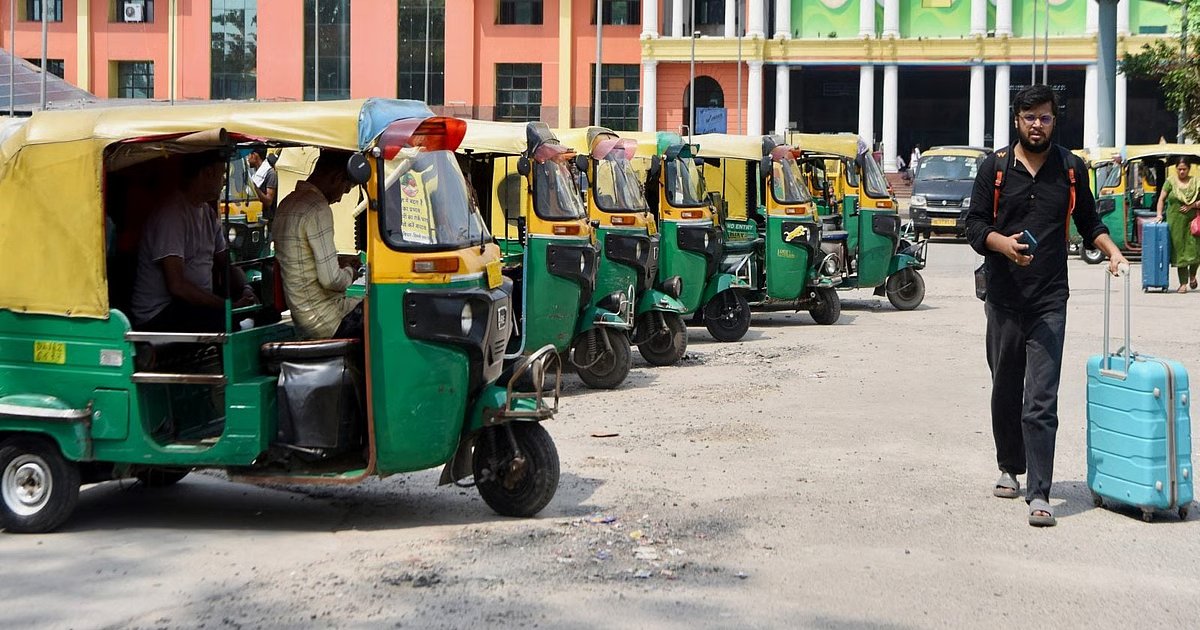

Cab fares across Delhi-NCR surged sharply on Thursday as transport unions staged a protest over fare revisions, working conditions and regulatory restrictions, leaving commuters struggling with unusually high charges during peak office hours.
A journey from Greater Kailash in South Delhi to Film City in Noida, which ordinarily costs around ₹300 through app-based cab services, saw fares climb beyond ₹800 as demand increased during the morning rush.
According to an India Today report, the approximately 13-km journey was priced above ₹400 around 9 am before crossing ₹500 by 10 am. One commuter eventually paid ₹803 for a similar trip, highlighting the impact of the transport disruption on passengers.
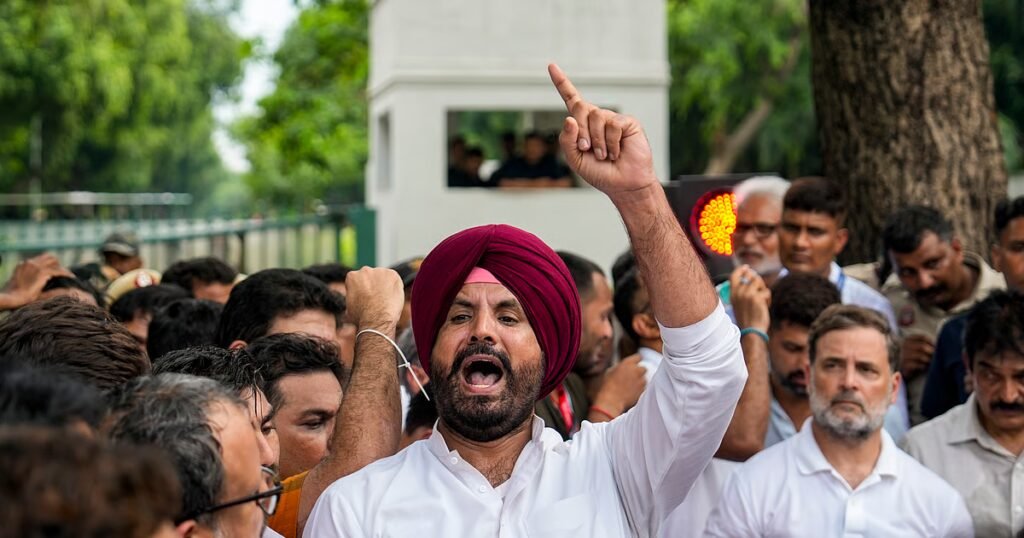
The protest, organised by unions affiliated with the Bharatiya Mazdoor Sangh (BMS), brought transport workers to Delhi’s Ramlila Maidan to demand higher auto and taxi fares, restrictions on private bike-taxi services and relief from certain vehicle fitness requirements.
Drivers also raised concerns over declining earnings, passenger safety and the financial sustainability of working with app-based transport aggregators.
𝗖𝗮𝗯 𝗳𝗮𝗿𝗲𝘀 𝗿𝗶𝘀𝗲 𝘀𝗵𝗮𝗿𝗽𝗹𝘆
The impact of the protest was particularly visible during the morning commute, when passengers encountered higher fares across several routes in Delhi-NCR.
An India Today Digital review found that fares on Ola and Rapido had increased by at least 30 per cent even during non-peak hours for both cab and auto-rickshaw bookings.
A South Delhi resident reported that an auto-rickshaw journey of approximately 3 km from Hemkunt Colony to Cambridge School was priced between ₹90 and ₹92 on Uber, compared with the usual ₹75 to ₹80.
Similarly, a one-hour cab rental covering up to 10 km, which normally costs around ₹325, had increased to ₹406.
Some passengers also complained that drivers were refusing to accept fares displayed on ride-hailing applications and demanding additional payments.
One commuter reported that a driver refused to undertake a round trip between Greater Kailash and Sreenivaspuri for the app-displayed fare of ₹190. Instead, the driver demanded ₹150 for each leg, raising the total cost to ₹300.
𝗪𝗵𝘆 𝗮𝗿𝗲 𝗱𝗿𝗶𝘃𝗲𝗿𝘀 𝗽𝗿𝗼𝘁𝗲𝘀𝘁𝗶𝗻𝗴?
Transport unions have demanded an immediate revision of auto-rickshaw and taxi fares, arguing that existing rates are insufficient to cover rising operating expenses.
They have also sought a ban on private bike-taxi services operated through mobile applications, claiming that such services adversely affect the livelihoods of traditional taxi and auto-rickshaw operators.
Another major demand concerns the withdrawal of certain fitness-related requirements imposed on auto-rickshaws, which drivers say have increased their regulatory and financial burdens.
The unions have also called for a dedicated welfare board for transport workers, a review of Delhi’s electric vehicle policy and faster processing of work-related documentation at the Delhi Transport Department.
A Delhi-based driver questioned why the government had not restricted private ride-hailing platforms despite concerns raised by traditional transport operators.
He suggested that Bharat Taxi could serve as an alternative to established aggregators but acknowledged that the platform had struggled to attract sufficient customers.
𝗗𝗿𝗶𝘃𝗲𝗿𝘀 𝗳𝗹𝗮𝗴 𝗳𝗮𝗹𝗹𝗶𝗻𝗴 𝗲𝗮𝗿𝗻𝗶𝗻𝗴𝘀
Beyond the immediate demands of the protest, drivers have highlighted concerns over the payment structures followed by ride-hailing platforms.
Anupam Kumar, a cab driver associated with Ola and Rapido, said longer journeys were becoming increasingly unprofitable because the amount drivers received per kilometre declined as the distance increased.
According to Kumar, drivers generally receive between ₹104 and ₹114 for the first 3 km, depending on the platform.
However, earnings per kilometre decline over longer distances, particularly for journeys extending beyond 10 km and 20 km.
He explained that trips from South Delhi to Gurugram or Greater Noida, covering approximately 30 to 35 km, often leave drivers with limited earnings after accounting for fuel expenses.
Kumar also pointed to differences in how platforms compensate drivers for waiting time in traffic.
He said Ola adjusts payments according to waiting time, while Rapido does not provide comparable increases, making prolonged traffic delays particularly costly for drivers.
𝗣𝗿𝗼𝘁𝗲𝘀𝘁 𝗶𝗺𝗽𝗮𝗰𝘁 𝗯𝗲𝘆𝗼𝗻𝗱 𝗗𝗲𝗹𝗵𝗶
The transport protest also affected operations beyond the national capital, with reports of disruptions in parts of Haryana and Punjab.
According to Kumar, transport unions in Ambala, Chandigarh and certain areas of Haryana outside Gurugram had taken a particularly strict approach towards app-based cab operations.
He alleged that union members were checking vehicles arriving from Delhi-NCR to determine whether drivers were accepting bookings through ride-hailing applications.
In some instances, drivers operating through such platforms allegedly had their mobile phones seized, making it difficult for them to continue accepting passengers.
The allegations highlighted tensions between traditional transport operators and app-based mobility services.
𝗗𝗿𝗶𝘃𝗲𝗿 𝘀𝗮𝗳𝗲𝘁𝘆 𝗮𝗹𝘀𝗼 𝗮 𝗰𝗼𝗻𝗰𝗲𝗿𝗻
Transport workers have also raised concerns about their safety following incidents of violence against cab and taxi drivers in Delhi-NCR.
Kumar referred to the recent killing of a driver in Faridabad as an example of the risks faced by workers operating in the region.
Drivers have demanded stronger safety measures, including a passenger identification mechanism that would allow them to verify customers before accepting bookings.
The unions argue that improved security, fairer earnings and welfare protections are necessary to make transport work financially sustainable.
While passengers faced higher fares and booking difficulties on Thursday, the protest brought attention to longstanding disagreements over transport regulations, platform-based earnings and the working conditions of drivers.
The immediate impact was felt by commuters, but the wider dispute underscored the challenges facing Delhi-NCR’s rapidly expanding app-based transport sector.