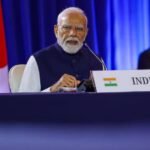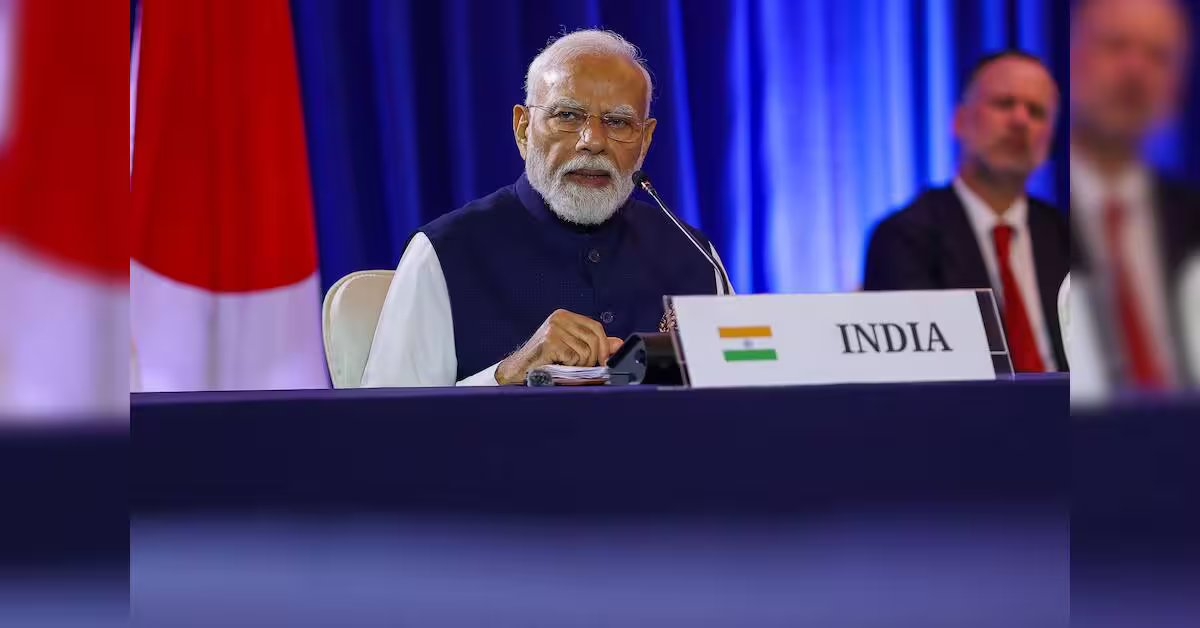

In his address at the East Asia Summit in Manila on Tuesday, Prime Minister Narendra Modi announced the launch of a seafarers’ safety initiative to boost joint training and emergency response among East Asia Summit (EAS) nations, and flagged the increasing pressure that conflicts are exerting on food, fuel and fertiliser supplies.
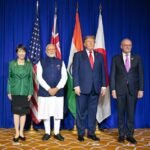
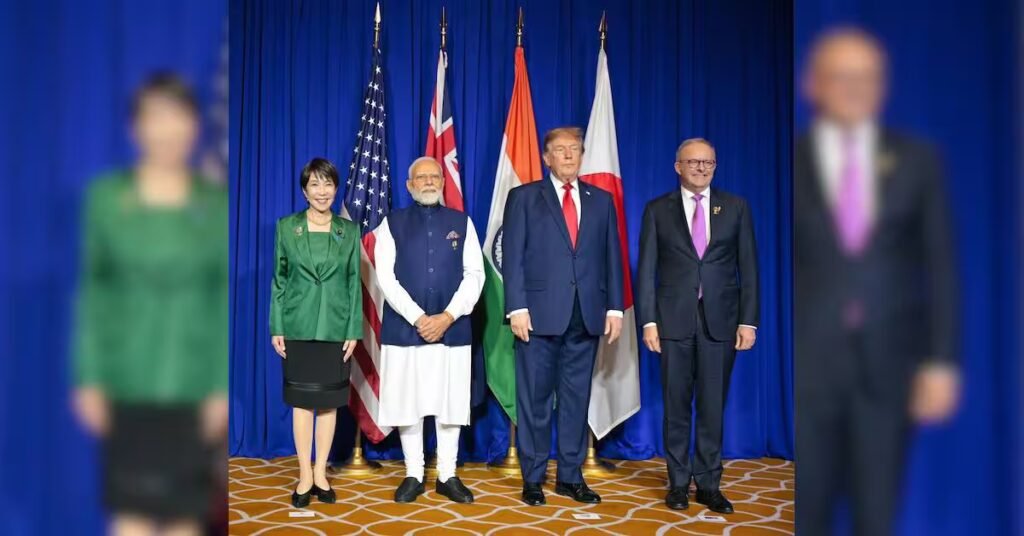
Modi attended the India-ASEAN (Association of Southeast Asian Nations), East Asia and Quad summits in Manila on Tuesday before returning home. At the India-ASEAN Summit, Modi spoke of the need for greater cooperation on civil nuclear energy, maritime security and reliable supply chains because of the ongoing geopolitical situation. Without directly mentioning China, the PM said that together, India and ASEAN member countries represented nearly one-fourth of the world’s population, which “is why it is essential to ensure that our future is shaped not by competition, but by cooperation.”
In his address at the 21st EAS, Modi underscored the need for dialogue, mutual respect and cooperation to support all efforts for peace in the “current era of crisis and conflict”. Modi said India supported all efforts directed at the peaceful resolution of the ongoing conflicts in Ukraine and West Asia. “Our seas are the lifeline of our shared prosperity. Ensuring their security and freedom of navigation is our responsibility,” Modi said. “Toward this end, we are launching a Seafarers’ Safety Initiative, which will enhance cooperation in joint training and emergency response,” he said. The initiative comes amid growing concerns over attacks on merchant shipping in West Asia and the Black Sea, which have claimed the lives of several Indian seafarers. New Delhi has also offered its help to Russia and Ukraine in establishing safe maritime corridors to help export grains and fertilisers from the Black Sea.
In his interaction with ASEAN leaders, the PM said New Delhi and ASEAN countries should work on better cooperation between coast guards and jointly develop maritime domain awareness to enhance the safety of seafarers. He invited ASEAN member countries to collaborate with India to develop reliable supply chains, particularly in minerals and critical minerals, and begin technical exchanges on the issue of civil nuclear energy.
Modi said India and ASEAN together represented nearly one-fourth of the world’s population. “That is why it is essential to ensure that our future is shaped not by competition, but by cooperation. We have both the capabilities and the shared resolve to achieve this. Together, we can make this region a symbol of peace and stability,” Modi said. The PM pointed out that it was his third visit to an ASEAN member country this year, “reflecting the special importance ASEAN holds for India.”
At the EAS Summit, Modi proposed hosting the East Asia Summit Cybercrime Conference at India’s National Forensic Sciences University and said India would host the East Asia Summit University Heads Conclave at Nalanda next year. Apart from the 11 ASEAN member states, the East Asia Summit includes India, China, Japan, the Republic of Korea, Australia, New Zealand, the United States and Russia. India and other East Asia Summit member countries also agreed to strengthen cross-border cooperation against online scams, disrupt criminal networks and protect victims of human trafficking. There have been growing concerns that Indians, along with people of other nationalities, are being trafficked to scam centres across Southeast Asia.
The PM also met the leaders of Thailand, Singapore and the Philippines on the margins of the East Asia Summit. In his discussions with Philippine President Ferdinand R Marcos Jr, the two discussed ways to strengthen bilateral cooperation in defence, security, trade and investment. In April 2024, New Delhi delivered the first batch of BrahMos supersonic cruise missiles to Manila, making the Philippines the first foreign country to acquire the weapon system, which was developed jointly by India and Russia.