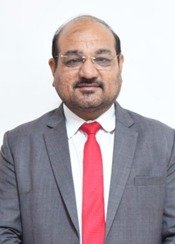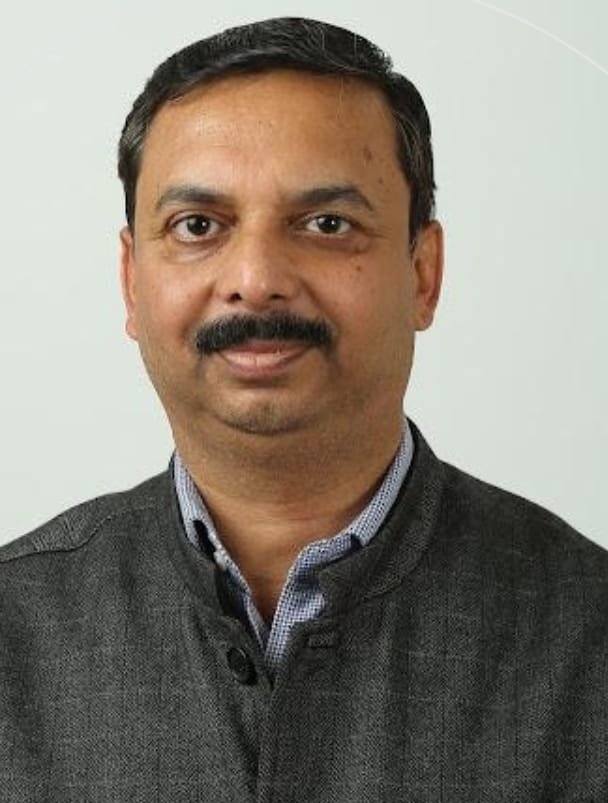


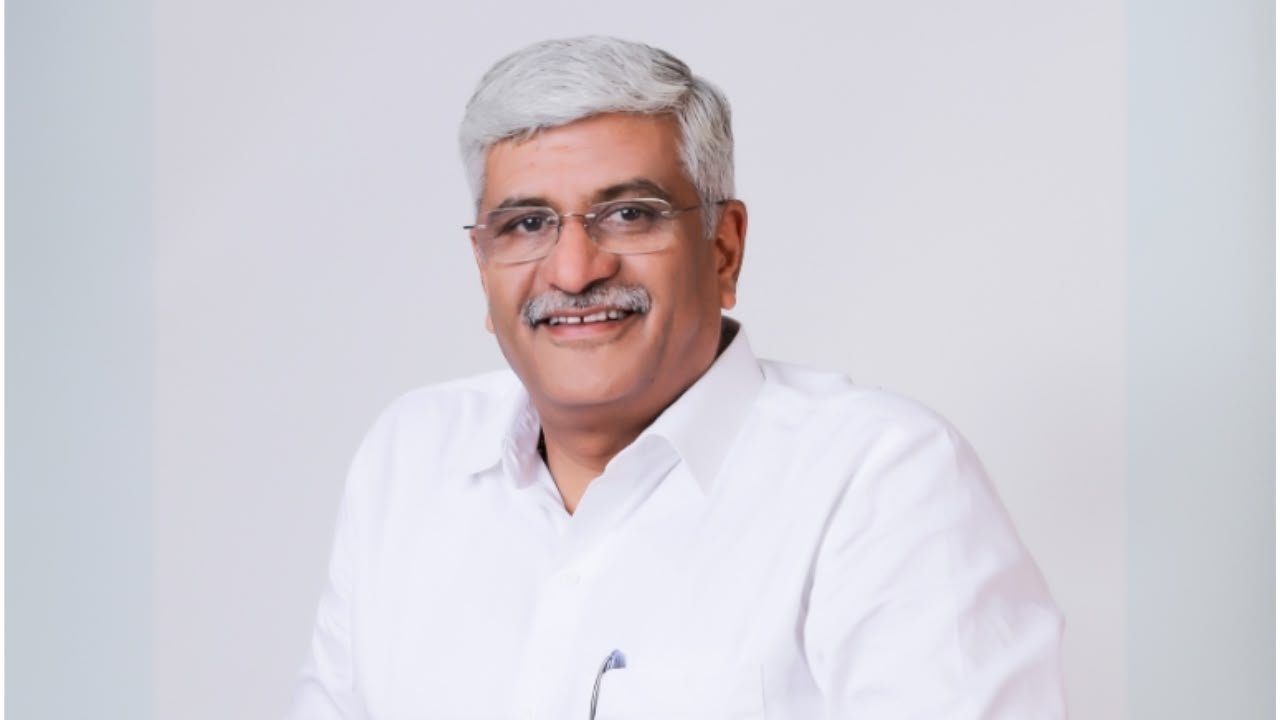

By Gajendra Singh Shekhawat, Union Minister for Culture and Tourism
India has no shortage of tourist destinations. The challenge is to help the world discover them, access them, experience their cultural richness and find reasons to return. In an article outlining his vision for the sector, Union Minister for Culture and Tourism Gajendra Singh Shekhawat argues that partnerships between the government, industry, technology companies and local communities will be central to the future of Indian tourism.
Tourism Is More Than Monuments and Attractions
India’s civilisational heritage offers an extraordinary range of experiences, from ancient cities and sacred landscapes to wildlife, traditional crafts, regional cuisines, festivals, mountains and coastlines. However, heritage alone does not create a successful tourism destination.
A destination depends on an entire ecosystem — connectivity, infrastructure, hospitality, storytelling, technology and the participation of local communities. Roads and transport make places accessible, digital platforms help travellers discover them, and local people give destinations their distinctive character.
The next phase of Indian tourism, therefore, must focus not only on destinations but also on partnerships that bring these elements together.
Traditionally, governments developed infrastructure, tourism authorities promoted destinations and private businesses provided transport and accommodation. Local communities often remained on the margins of this process.
The emerging model calls for a more collaborative approach in which governments, businesses, technology companies, investors, State administrations, local bodies and communities jointly shape the tourism experience.
Government and Industry Must Work Together
Tourism today involves more than the movement of people. It connects cultures, ideas, investment, aspirations and economic opportunities. Travellers increasingly want to experience a destination rather than simply visit its landmarks. They seek local food, traditional music, cultural exchanges, artisan communities and opportunities to understand everyday life.
According to Shekhawat, the government’s role is to create conditions that enable this growth rather than attempt to manage every aspect of the sector itself.
Public investment in roads, airports, railways, sanitation, digital infrastructure, heritage conservation and civic amenities provides the foundation for private investment and innovation. Businesses contribute capital, technology, management expertise and market access, while local communities bring authenticity and cultural knowledge.
The Ministry of Tourism’s engagement with industry reflects this approach. The article notes that 11 strategic memorandums of understanding (MoUs) have been entered into, including five exchanged on World Tourism Day 2026. These partnerships cover areas such as technology, mobility, hospitality, digital outreach, content and local enterprise.
Storytelling Is Changing How Travellers Discover India
The way people discover destinations has changed significantly. Travel guides and conventional advertisements have increasingly been joined by films, streaming platforms, social media creators and digital content.
The article cites the collaboration with Netflix as an example of how Indian culture, wildlife and mountain landscapes can reach international audiences. Initiatives such as Flavours of India, showcased at ITB Berlin 2026, and promotional campaigns in London and New York are also intended to build awareness of India as a travel destination.
However, visibility alone is not enough. Promotional campaigns must translate into actual journeys and meaningful experiences.
One example highlighted by Shekhawat is Project Varanasi Priceless, developed with Mastercard. The initiative seeks to present Varanasi through bookable experiences involving sunrise on the Ganga, classical music, literary conversations, Banarasi weaving communities and heritage accommodation.
The broader objective is to encourage travellers to engage with Varanasi as a living cultural centre rather than treat it merely as a collection of monuments.
Connectivity and Technology Can Expand Tourism Opportunities
Air connectivity remains an important part of destination development. Partnerships involving Alliance Air, Air India and IndiGo are intended to bring the Incredible India campaign into airline networks, passenger experiences, digital platforms and international markets.
Technology can also help tourism planners understand traveller preferences, emerging markets and changing patterns of demand.
The article points to collaboration with Google India, including capacity-building and efforts to understand global travel demand and traveller behaviour. Better use of data could help tourism authorities make more informed decisions about promotion, infrastructure and destination development.
These tools could be particularly valuable for places that have significant cultural or natural attractions but remain outside established tourist circuits.
Bringing Villages and Local Communities into the Tourism Economy
A major opportunity lies in extending tourism beyond metropolitan gateways and well-known destinations.
Homestays, traditional artisans, local entrepreneurs and village communities can play a larger role in the sector when they have access to digital platforms, accommodation networks and wider markets.
Partnerships involving Airbnb, Soul of India and MakeMyTrip are cited as efforts to improve digital capabilities for homestay hosts, increase the visibility of lesser-known destinations and connect villages with travellers through content and bookable accommodation.
Such initiatives can help tourism income reach people whose traditions, skills and local knowledge form the foundation of the visitor experience.
The article also highlights community-led heritage tourism initiatives in the Himalayas, including the documentation of oral traditions, crafts and indigenous knowledge. These efforts seek to make tourism a means of preserving cultural heritage rather than putting it at risk.
Tourism Success Must Be Measured by Local Benefits
An increase in visitor numbers is only one measure of tourism performance. A more comprehensive assessment must consider who benefits from the growth.
Does tourism create employment for young people? Does it expand markets for artisans and women entrepreneurs? Does it generate income for local businesses? Does it give communities a greater incentive to protect their cultural and natural heritage?
When tourism generates these benefits, it can become a tool for wider economic development and cultural preservation.
For this to happen, partnerships must produce tangible outcomes. An MoU is only the starting point; its value depends on whether it leads to new experiences, attracts travellers, generates local income and strengthens community participation.
Industry associations and travel businesses remain important to this process because of their understanding of consumer preferences, travel routes, market demand and distribution networks. State governments and local institutions, meanwhile, have a direct influence on the quality of the visitor experience.
Building a Tourism Ecosystem for the Future
India’s tourism potential will depend increasingly on its ability to connect government policy with private investment, technology with tradition, and global platforms with local communities.
Varanasi offers an example of how cultural storytelling, music, heritage, weaving, hospitality and technology can be brought together around one destination.
The larger objective is to build a tourism ecosystem in which citizens see themselves as participants in the sector rather than bystanders. Public investment can provide the foundation, private enterprise can expand opportunities, and community involvement can help ensure that development remains rooted in local identity.
India’s next tourism milestone, the article argues, should not be defined solely by the number of destinations promoted or visitors welcomed. It should also be measured by the quality of experiences created and the extent to which the resulting prosperity reaches the people who sustain the country’s cultural heritage.
The challenge is no longer simply to show the world what India has to offer. It is to build the partnerships that turn each visit into a meaningful encounter with India’s civilisation — while ensuring that the benefits of tourism reach the communities that keep it alive.
SEO Title: Tourism Beyond Destinations: Why Partnerships Matter for India
Meta Description: Union Tourism Minister Gajendra Singh Shekhawat outlines how government, industry, technology and local communities can shape India’s tourism future.
Focus Keyword: Indian tourism partnerships
URL Slug: indian-tourism-partnerships-beyond-destinations