

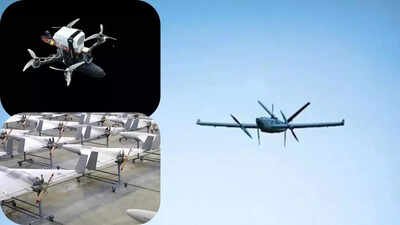
New Delhi: Kamikaze drones, also known as suicide drones or loitering munitions, are emerging as one of the most lethal weapons in modern warfare. After their reported success in recent military operations, the Indian Army is accelerating plans to procure around 850 kamikaze drones, signaling a major shift in combat strategy.
According to defence sources, these drones were effectively used to neutralize enemy air defence systems and high-value military targets, proving their precision and destructive capability. Their growing importance has made them a key focus in India’s future battlefield preparedness.
What Are Kamikaze Drones?
Kamikaze drones are one-time-use unmanned aerial weapons designed to hover (loiter) over a target area, identify enemy positions, and then crash directly into the target with explosives, destroying both the target and the drone itself.
Unlike conventional drones that return after missions, kamikaze drones are designed to self-destruct, ensuring maximum damage with minimal collateral risk.
Why Are They Called ‘Kamikaze’?
The term “kamikaze” comes from World War II, when Japanese pilots carried out suicide attacks by crashing explosive-laden aircraft into enemy ships. Modern kamikaze drones follow the same concept, but with advanced technology and no risk to human pilots.
Why Are Kamikaze Drones So Dangerous?
- High precision strikes with minimal human involvement
- Real-time surveillance and autonomous target selection
- Cost-effective compared to fighter jets or missiles
- Difficult to detect and intercept by traditional air defence systems
These features make them a game-changer in asymmetric and modern warfare.
India’s Strategic Push
With evolving security challenges, India sees kamikaze drones as an “accurate soldier” capable of striking deep inside enemy territory. The proposed large-scale induction reflects the Army’s intent to strengthen offensive and defensive capabilities using cutting-edge drone warfare technology.