

New York, U.S. — In a landmark decision that has sent shockwaves through the American business and legal communities, the U.S. Court of International Trade has ruled that companies that paid controversial import tariffs imposed during the administration of Donald Trump may now be entitled to receive billions of dollars in refunds.
The ruling was issued Wednesday by Judge Richard Eaton, who stated that not only the companies that filed lawsuits but all importers who paid the disputed tariffs are legally eligible to seek refunds.
Background of the Dispute
The tariffs were originally imposed under the International Emergency Economic Powers Act, a federal law that grants the U.S. president certain powers during national emergencies affecting the economy.
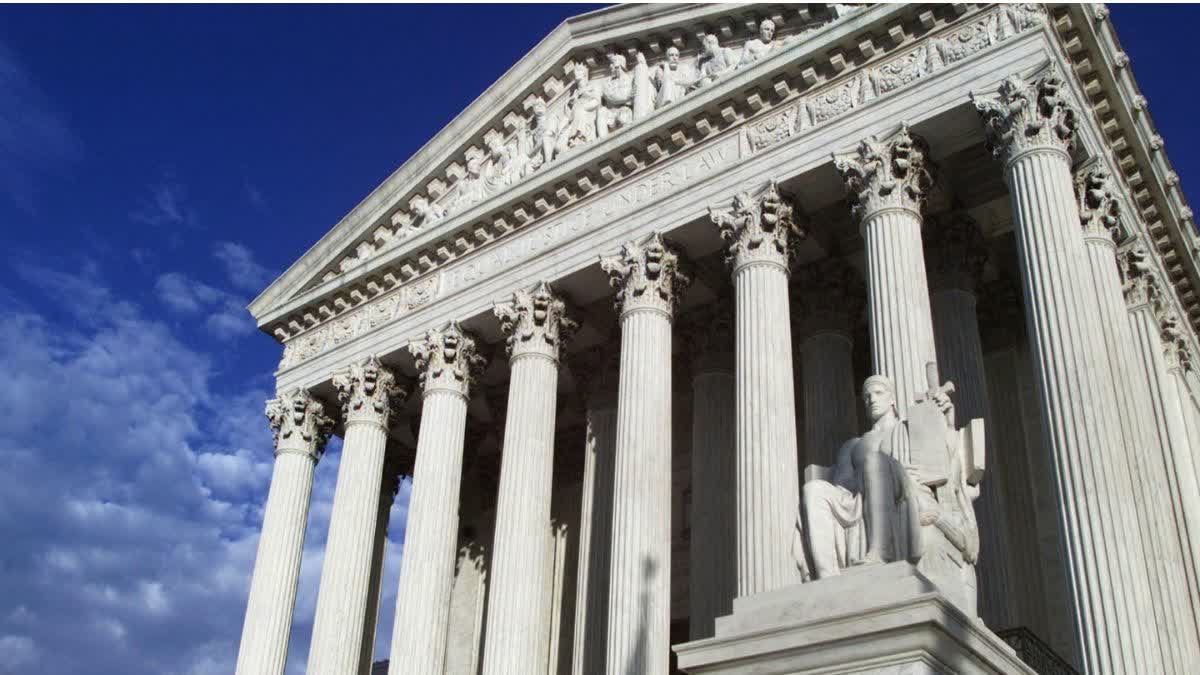
However, in a historic ruling on February 20, the Supreme Court of the United States declared the tariffs unconstitutional. The court argued that the power to impose taxes and tariffs ultimately rests with Congress, not the president.
Judge Eaton’s order effectively enforces that ruling, opening the door for a sweeping financial refund process across the country.
One of the Largest Refunds in U.S. History
Economists say the decision could lead to one of the largest financial refund operations in American history.
According to official data, the U.S. government had collected about $130 billion in tariffs by December 2025 under the disputed policy. With interest and expanded eligibility, analysts estimate the total refunds could reach $175 billion.
The ruling could impact nearly 300,000 companies, ranging from multinational corporations to small and medium-sized businesses.
Major Corporations Welcome the Decision
The case was initially brought by Tennessee-based manufacturer Atmos Filtration, but the consequences extend far beyond a single company.
Major corporations such as Bausch + Lomb, Dyson, and FedEx have welcomed the ruling, calling it a significant victory for American businesses.
The advocacy group We Pay the Tariffs Coalition described the decision as both a moral and economic win for small businesses that had struggled with the additional import costs.
Administrative Challenges Ahead
Despite the ruling, experts warn that issuing refunds on such a massive scale will be a complex administrative challenge. The U.S. Customs and Border Protection system was originally designed to process small refund adjustments, not payments worth hundreds of billions of dollars.
Legal analysts also note that the Trump administration’s allies may attempt to challenge or delay the process through appeals in higher courts.
For now, Judge Eaton has decided to personally oversee the case to ensure consistency and order in the proceedings.
The focus now shifts to the federal government, which must determine how and when the massive refunds will be distributed to affected companies.