

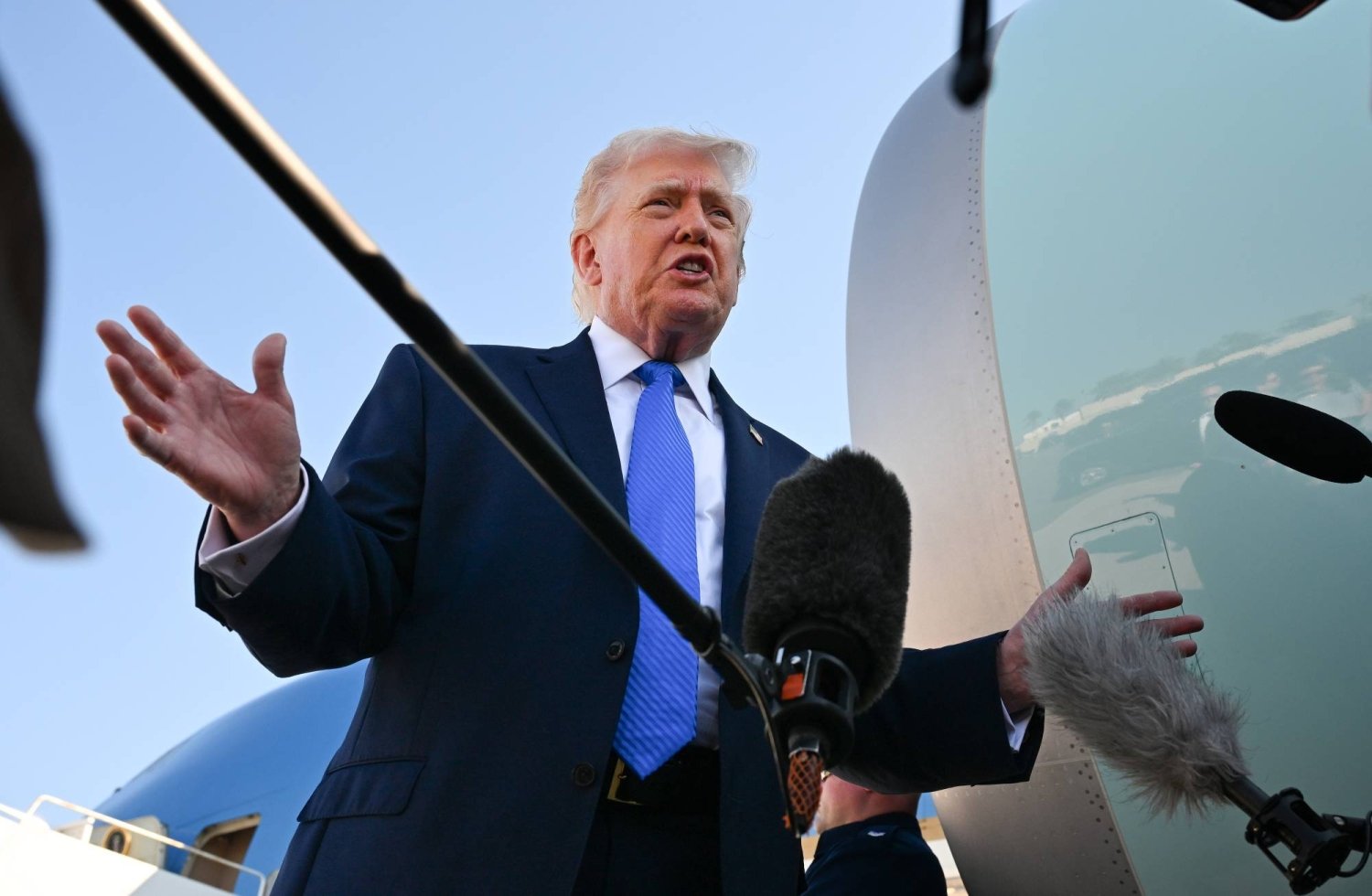
Washington, D.C. — Donald Trump has temporarily stepped back from a major escalation with Iran, announcing a five-day pause on threatened strikes against the country’s power infrastructure as diplomatic efforts gain momentum behind the scenes.
The decision follows intense private warnings from U.S. allies and Gulf nations, who cautioned that targeting Iran’s civilian energy grid could trigger catastrophic consequences — including the potential collapse of the Iranian state and a wider regional conflict.
Allies Warned of “Disaster Scenario”
According to officials familiar with the discussions, several regional partners told Washington that destroying Iran’s infrastructure would likely push the country toward becoming a failed state. Such a move, they argued, could destabilize the Middle East for years and dramatically escalate the ongoing conflict involving the U.S., Israel, and Iran.
Former U.S. defense official Dana Stroul said the proposed strikes would have crossed a dangerous line by targeting civilian infrastructure, potentially constituting a war crime and sparking a new phase of escalation.
Markets React to De-escalation
Trump’s announcement came just before U.S. markets opened on Monday, a timing that analysts say was deliberate. Financial markets, rattled by fears of a broader war, responded immediately:
- Oil prices dropped sharply, particularly Brent crude
- The S&P 500 rebounded
- U.S. Treasury bonds gained strength
The move suggested the administration was also focused on stabilizing global markets alongside managing geopolitical risk.
Conflicting Signals on Talks
Trump claimed that Iranian representatives initiated contact, leading to negotiations involving senior U.S. figures, including Jared Kushner. He suggested Iran may be willing to scale back its nuclear program as part of a potential agreement.
However, Iranian officials quickly denied that any direct talks were taking place, with leaders in Tehran dismissing Trump’s statements as misinformation aimed at influencing oil prices and financial markets.
This contradiction has fueled skepticism among diplomats and analysts about whether meaningful negotiations are actually underway.
Backchannel Diplomacy Intensifies
Despite the public denials, multiple countries — including Egypt, Turkey, and Pakistan — are reportedly acting as intermediaries, passing messages between Washington and Tehran.
Regional powers such as Saudi Arabia and the United Arab Emirates have also been involved in quiet diplomatic efforts aimed at containing the conflict.
War Continues Despite Pause
While Trump’s decision signals a potential diplomatic opening, the broader conflict remains active. Israel has continued military operations inside Iran, focusing on strategic targets while reportedly avoiding energy infrastructure for now.
Israeli officials have made it clear that the war is not on pause, even as the U.S. explores negotiations.
Uncertain Path Forward
Analysts warn that the five-day reprieve may not necessarily lead to a lasting agreement. Trump’s history of abrupt policy shifts, combined with Iran’s skepticism and conflicting narratives, has left both allies and markets uncertain.
Some experts caution that the pause could even embolden Iran if it is perceived as a sign that threats against regional infrastructure can force U.S. restraint.
For now, the situation remains fluid — with diplomacy, military action, and market forces all shaping what could become a निर्णायक moment in Middle East geopolitics.