
India’s growing dependence on imported soda ash is threatening domestic manufacturing capacity and the supply chains supporting its clean energy transition, a report released on Friday by the Centre for Domestic Economy Policy Research (C-DEP), in collaboration with the Centre for WTO Studies (CWS), Ministry of Commerce and Industry, has warned.
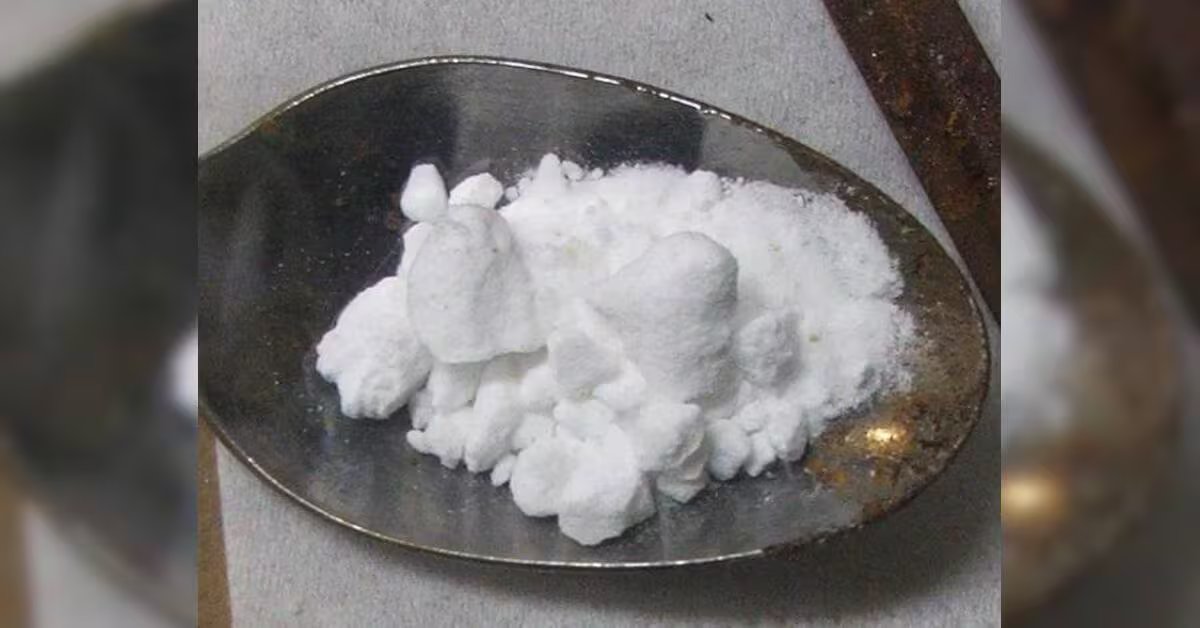
Soda ash is an essential input for manufacturing solar glass used in photovoltaic panels and processing lithium carbonate for batteries used in electric vehicles and energy storage systems.
The report reveals an 81 per cent surge in soda ash imports since 2021-22, with these imports accounting for 22 per cent of India’s demand in 2024-25 despite sufficient domestic capacity. It attributes the import surge to global overcapacity, falling international prices and the redirection of surplus production towards India by countries such as the US, China and Türkiye.
Average dumping increased by 42.8 per cent between FY23 and FY25, intensifying pressure on domestic producers and future investments, the report noted.
“India cannot aspire to become a global leader in solar energy and electric mobility while allowing the domestic industries supplying their essential raw materials to weaken,” said Jaijit Bhattacharya, president of C-DEP Research. “If this trend continues, we risk repeating the experience of pharmaceutical intermediates such as Penicillin G, where the loss of domestic production created dependence on foreign suppliers,” he added.
The report has proposed implementing WTO provisions on imposing quantitative restrictions on imports and the quick implementation of the initial safeguard import quota of 7.55 lakh tonnes recommended by the Directorate General of Trade Remedies (DGTR).
Better logistics, energy efficiency and raw material security are also required to strengthen domestic competitiveness, it highlighted.