

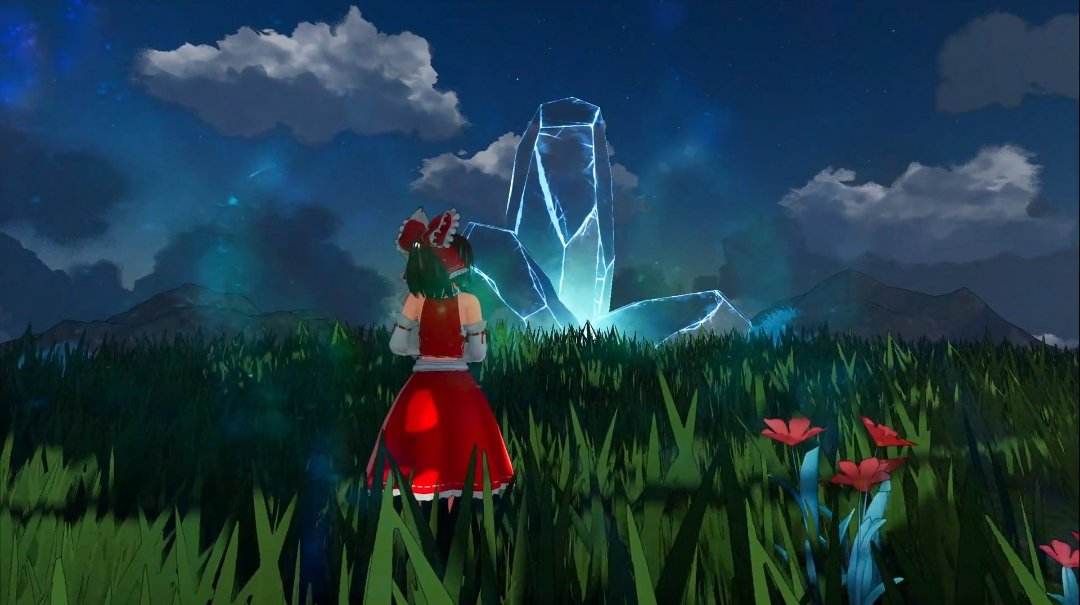
A new screen-space lens flare effect developed in the Godot game engine is gaining attention among developers and visual effects enthusiasts. The effect was created by developer Critsium, inspired by the original Lens Flare plug-in designed by Roujel Williams, also known as SIsilicon, for Godot 3.2.
In the updated version built for Godot 4.x, Critsium has implemented additional downsampling and blur passes. These improvements help soften the overall visual appearance while also enhancing performance. According to the developer, the core rendering pass remains largely unchanged, with only minor technical adjustments to suit the newer engine version.
Unlike traditional real-time lens flares that simulate camera optics directly, the original SIsilicon plug-in uses a procedural, screen-space approach. It detects high-intensity or bright areas on the screen and generates lens flare artifacts based on those highlights. Due to this reliance on brightness data, the effect works best when used with an HDR (High Dynamic Range) viewport.
The Lens Flare plug-in offers extensive customization options. Developers can adjust the overall intensity of the effect, control how much of the screen contributes to flare generation, fine-tune softness, apply color distortion, and modify other visual parameters to suit different artistic styles.
Critsium has announced plans to release this enhanced lens flare effect publicly after the launch of their upcoming free game on Steam, which is being developed using Godot and is inspired by the Touhou Project series. Interested users can follow Critsium on Reddit for future updates related to both the game and the lens flare release.
The project highlights Godot’s growing capabilities in advanced post-processing effects and reflects the active collaboration within its open-source developer community.