

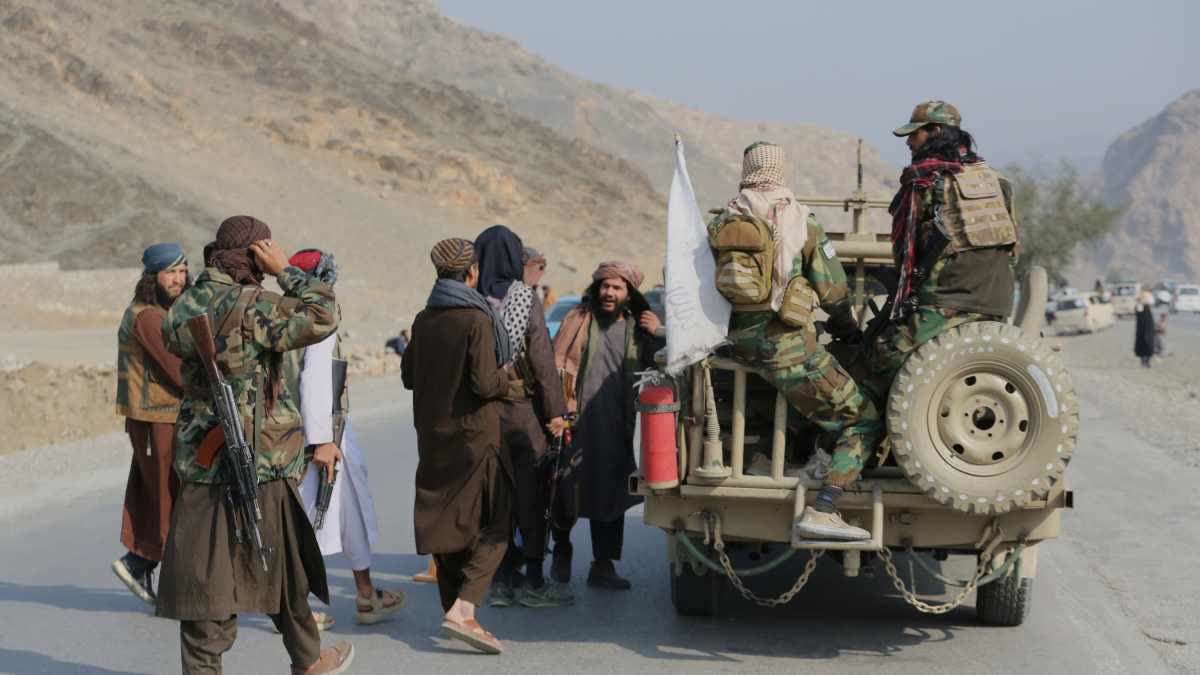
Islamabad: Pakistan on Saturday claimed that nearly 300 Afghan Taliban fighters and allied militants were killed during ongoing cross-border military operations, as fighting between Pakistan and Afghanistan entered its third consecutive day.
Pakistan’s Information Minister Attaullah Tarar said security forces killed 297 fighters linked to the Afghan Taliban regime, while more than 450 others were injured. He added that the strikes were carried out under Operation Ghazab Lil Haq, launched in response to what Pakistan describes as sustained militant threats from across the border.
According to the minister, Pakistani forces destroyed 89 Taliban checkpoints, captured 18 others, and eliminated approximately 135 tanks and military vehicles. The Pakistan Air Force reportedly targeted 29 locations inside Afghanistan during the operation.
Escalation Along the Border
The latest violence follows coordinated attacks launched by Afghan forces on February 26, when 53 locations along the 2,600-kilometer border were reportedly targeted in a single night. Pakistan responded shortly afterward with the current military campaign.
Speaking at a press conference on Friday, Pakistan Army spokesperson Ahmed Sharif Chaudhry, a lieutenant general, issued a stark warning to the Afghan Taliban leadership.
“The Afghan Taliban must make a clear choice—between Pakistan and terrorist organizations,” he said, naming groups including Tehrik-e-Taliban Pakistan (TTP), the Baloch Liberation Army, ISIS, and Al-Qaeda. “For us, the choice is very clear. Pakistan comes first.”
Longstanding Accusations and Denials
Pakistan has long accused the Taliban government of allowing militant groups to use Afghan territory for training, logistics, and cross-border attacks. Kabul has repeatedly rejected these allegations, urging Pakistan to resolve its internal security issues through dialogue rather than military action.
U.S. Expresses Support for Pakistan’s Right to Self-Defense
A senior U.S. official voiced support for Pakistan’s position amid the escalating conflict. Alison Hooker, the U.S. Under Secretary of State for Political Affairs, said she spoke with Pakistan’s foreign minister and expressed condolences for those killed in the violence.
In a statement posted on X, she said the United States is closely monitoring the situation and supports Pakistan’s right to defend itself against militant attacks.
Taliban Signals Willingness for Talks
Amid growing regional concern, the Afghan Taliban signaled openness to negotiations. Afghanistan’s Foreign Ministry quoted Acting Foreign Minister Amir Khan Muttaqi as saying Kabul prefers resolving disputes through mutual understanding and respect.
Taliban spokesperson Zabihullah Mujahid echoed the sentiment, stating that the group is now willing to seek a diplomatic solution.
Regional Mediation Efforts Underway
Diplomatic sources say Saudi Arabia and Qatar are actively working to de-escalate tensions. Saudi Foreign Minister Faisal bin Farhan reportedly held talks with Pakistan’s Deputy Prime Minister and Foreign Minister Ishaq Dar, as well as Afghan officials. Turkey is also said to be in contact with both sides.
As regional and global powers push for restraint, the situation along the Pakistan-Afghanistan border remains highly volatile, raising concerns of further escalation if diplomatic efforts fail.