

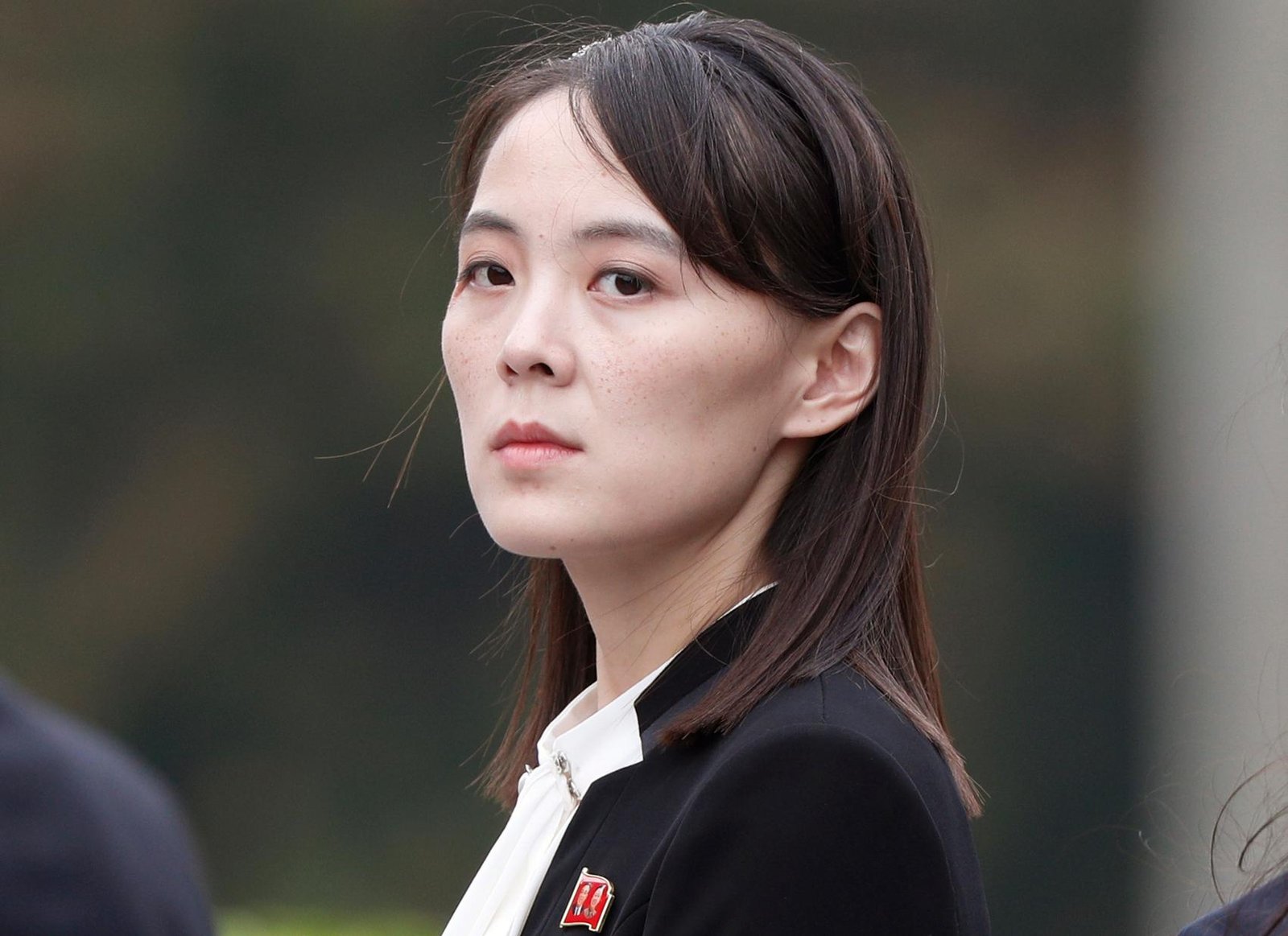
Seoul, South Korea: Tensions between North Korea and Japan have resurfaced after Kim Yo Jong, the influential sister of leader Kim Jong Un, заявил that a proposed summit between the two nations will not take place unless Japan abandons what she described as its “anachronistic” policies.
Her remarks came shortly after Japanese Prime Minister Sanae Takaichi expressed a strong desire to meet Kim Jong Un. Speaking last week following discussions in Washington with Donald Trump, Takaichi said she was eager to initiate high-level dialogue with Pyongyang.
North Korea’s Firm Stance
In a statement carried by state media, Kim Yo Jong made it clear that any summit depends on Japan making significant policy changes.
“In order for the top leaders of the two countries to meet each other, Japan should first be determined to break with its anachronistic practice and habit,” she said.
While she did not explicitly define these “anachronistic” policies, past statements from Pyongyang suggest they include:
- Japan’s refusal to accept North Korea’s nuclear weapons program
- Ongoing demands to resolve the issue of abducted Japanese citizens
Kim Yo Jong added that she personally does not wish to see Japan’s prime minister visit Pyongyang, though she framed her comments as a “personal position,” signaling a strategic pressure tactic rather than a definitive diplomatic closure.
The Abduction Issue Remains Central
One of the biggest obstacles to improved relations is Japan’s insistence on resolving the long-standing issue of citizens abducted by North Korean agents in the 1970s and 1980s.
During a historic 2002 summit between Kim Jong Il and Junichiro Koizumi, North Korea admitted to abducting 13 Japanese nationals and allowed five to return. However, Tokyo maintains that more victims may still be alive, keeping the issue at the forefront of its diplomatic agenda.
The last high-level engagement between the two countries occurred in 2004, when Koizumi visited Pyongyang again—marking the most recent bilateral summit to date.
Geopolitical Calculations
Analysts suggest North Korea may be seeking improved ties with Japan as part of a broader strategy to weaken coordination between the United States and its regional allies.
At the same time, Japan continues to prioritize:
- Resolution of the abductee issue
- Regional security concerns linked to North Korea’s nuclear program
Meanwhile, broader diplomacy in the region remains stalled. North Korea has largely disengaged from talks with the U.S. and South Korea since 2019.
Role of the United States
Donald Trump, who held three summits with Kim Jong Un between 2018 and 2019, has indicated interest in restarting dialogue. However, North Korea has set firm conditions, stating that negotiations would only resume if Washington abandons what it calls its “delusional obsession” with denuclearization.
Takaichi noted that Trump supports resolving the abductee issue and is willing to assist in facilitating a potential meeting with Kim Jong Un.
Outlook
Prospects for a Japan–North Korea summit remain uncertain and appear unlikely in the near term. With both sides holding firm on core issues—nuclear policy for Pyongyang and abductee resolution for Tokyo—diplomatic progress will require significant concessions.
For now, Kim Yo Jong’s remarks underscore the deep divide between the two nations, highlighting the complex geopolitical challenges shaping Northeast Asia’s security landscape.