
Raipur, India — A bold promise made by India’s Union Home Minister Amit Shah to award ₹1 crore (approximately $120,000) to every village declared free of Maoist (Naxal) influence has ignited a political debate in the central Indian state of Chhattisgarh. One year after the announcement, opposition leaders are questioning whether the pledge will translate into real development or remain a political slogan.
The Promise That Sparked Hope
The announcement was made on April 6, 2025, during the closing ceremony of the Bastar Pandum festival in Dantewada, a region long affected by left-wing extremism. Amit Shah declared that any village achieving “Naxal-free” status would receive ₹1 crore in development funds. The initiative aimed to incentivize peace, encourage surrenders, and accelerate grassroots development.
Rising Political Questions
As the March 31, 2026 deadline set for eliminating Naxalism passed, the opposition party, led by former Chief Minister Bhupesh Baghel, began raising concerns. Baghel has publicly questioned whether the state government has secured funds from the central government and why no clear implementation framework or budget allocation has been announced.
He has also demanded transparency on key issues:
- How many villages have been officially declared Naxal-free?
- How many proposals have been sent to the central government?
- Which village will be the first to receive the ₹1 crore grant?
State Government’s Stand
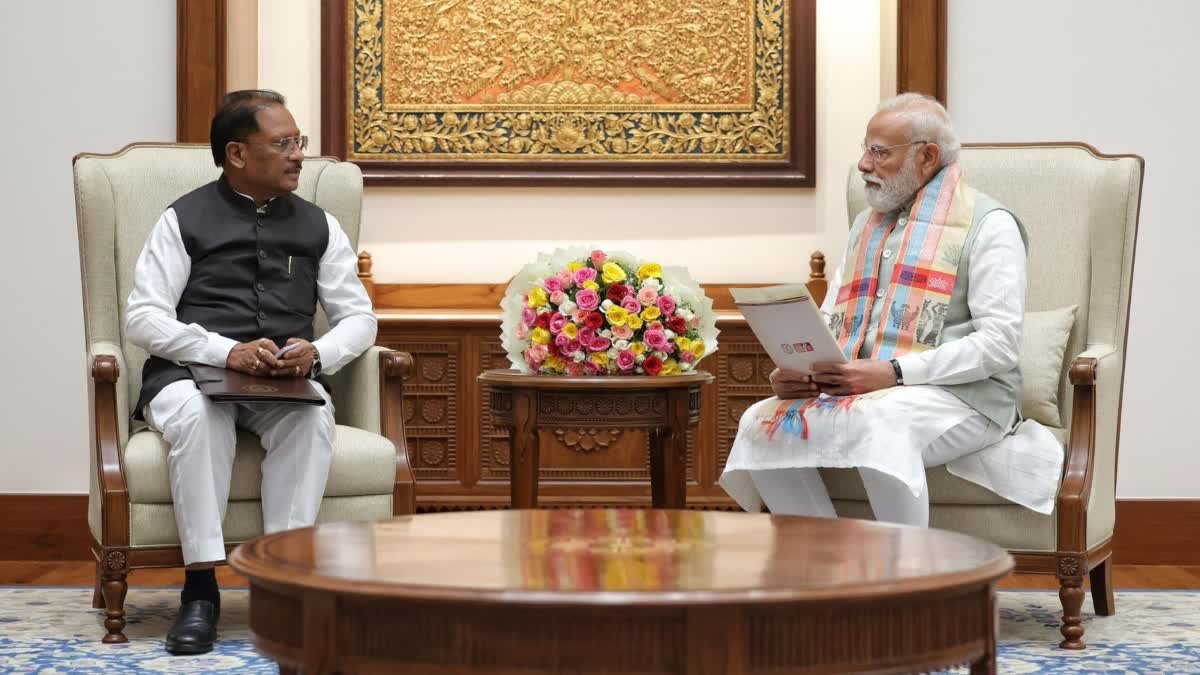
Current Chief Minister Vishnu Deo Sai recently met Prime Minister Narendra Modi in New Delhi and outlined a long-term development roadmap for the Bastar region. According to Sai, the strategy includes investments in infrastructure, tourism, agriculture, fisheries, and employment generation.
However, critics point out that the ₹1 crore incentive scheme was not explicitly mentioned in official statements following the meeting, raising doubts about its status.
Opposition Escalates Attack
Chhattisgarh Congress President Deepak Baij has labeled the promise a potential “jumla” (empty rhetoric), comparing it to other political promises that allegedly failed to materialize. He argues that several districts—including Sukma, Bijapur, Dantewada, and Narayanpur—are already being described as Naxal-free, and the government must clarify when these areas will receive funds.
Government Pushback
The ruling Bharatiya Janata Party (BJP) has dismissed the criticism as politically motivated. Party spokesperson Gaurishankar Srivas stated that Bastar is undergoing a transformation, shifting from a conflict zone to a development hub. He emphasized ongoing improvements in roads, healthcare, education, and livelihood opportunities.
Ground Reality: Early Examples
Villages such as Kerlapenda and Bodesetti in Sukma district were declared Naxal-free in mid-2025 following surrenders and security operations. These cases were presented as model examples, with promises of development projects including roads, electricity, water supply, and employment initiatives.
Yet, there is still no confirmed public record indicating that the ₹1 crore funds have been disbursed to these villages.
The Core Question
At the heart of the debate lies a simple but powerful question:
Will India’s first “crorepati village” under this scheme become a reality, or will the promise remain unfulfilled?
For now, the issue remains politically charged. While the government insists the process is underway, the opposition continues to demand accountability and timelines. Meanwhile, the people of Bastar are watching closely—waiting to see whether peace will indeed bring prosperity.