

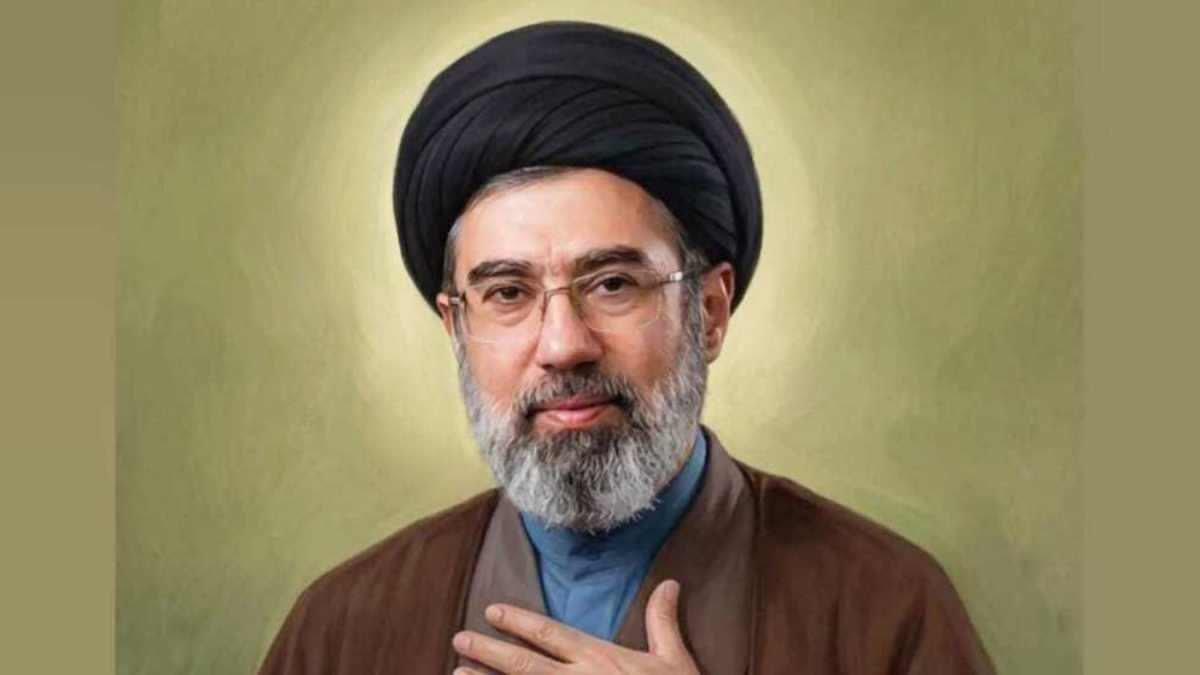
Tehran: Iran’s powerful clerical body has appointed Mojtaba Khamenei as the country’s new Supreme Leader, ignoring strong warnings from the United States and Israel. The decision was announced Sunday by the Assembly of Experts, the institution responsible for selecting Iran’s top leader.
The 56-year-old cleric is the son of the late Supreme Leader Ali Khamenei, who was reportedly killed on February 28 during attacks attributed to the United States and Israel. Following his death, speculation quickly grew that Mojtaba Khamenei could emerge as his successor.
The Assembly of Experts confirmed the appointment in an official statement, declaring Mojtaba Khamenei the third Supreme Leader of the Islamic Republic of Iran. The body said its members acted swiftly despite external pressure.
“Despite the brutal attacks and threats from the United States and Israel, the Assembly of Experts did not hesitate even for a minute in selecting the new leader,” the statement said.
Before the announcement, U.S. President Donald Trump publicly criticized the possibility of Mojtaba Khamenei’s leadership. Speaking to media outlets, Trump said he did not support the choice and warned that a leader without U.S. approval “would not last long.”
Israel also issued strong warnings, suggesting that whoever succeeded Ali Khamenei could become a potential target.
Iran strongly rejected those statements. Iranian Foreign Minister Abbas Araghchi said the leadership decision was strictly Iran’s internal matter and that no foreign power has the right to interfere. Speaking on NBC’s Meet the Press, Araghchi also demanded that Trump apologize to people in the region for escalating tensions and starting the conflict.
Mojtaba Khamenei is widely regarded as a hardline cleric with close ties to the powerful Islamic Revolutionary Guard Corps (IRGC), the ideological military branch of Iran’s armed forces.
In 2019, the United States Department of the Treasury imposed sanctions on Mojtaba Khamenei, accusing him of acting on behalf of his father and exercising significant influence within Iran’s leadership structure. U.S. officials at the time alleged that he controlled assets including luxury properties in London and bank accounts in Switzerland and Liechtenstein.
His appointment comes at a time of heightened tensions in the Middle East and could further strain relations between Iran and Western powers. Analysts say his leadership may reinforce Iran’s conservative political direction and strengthen ties with the Revolutionary Guards.