

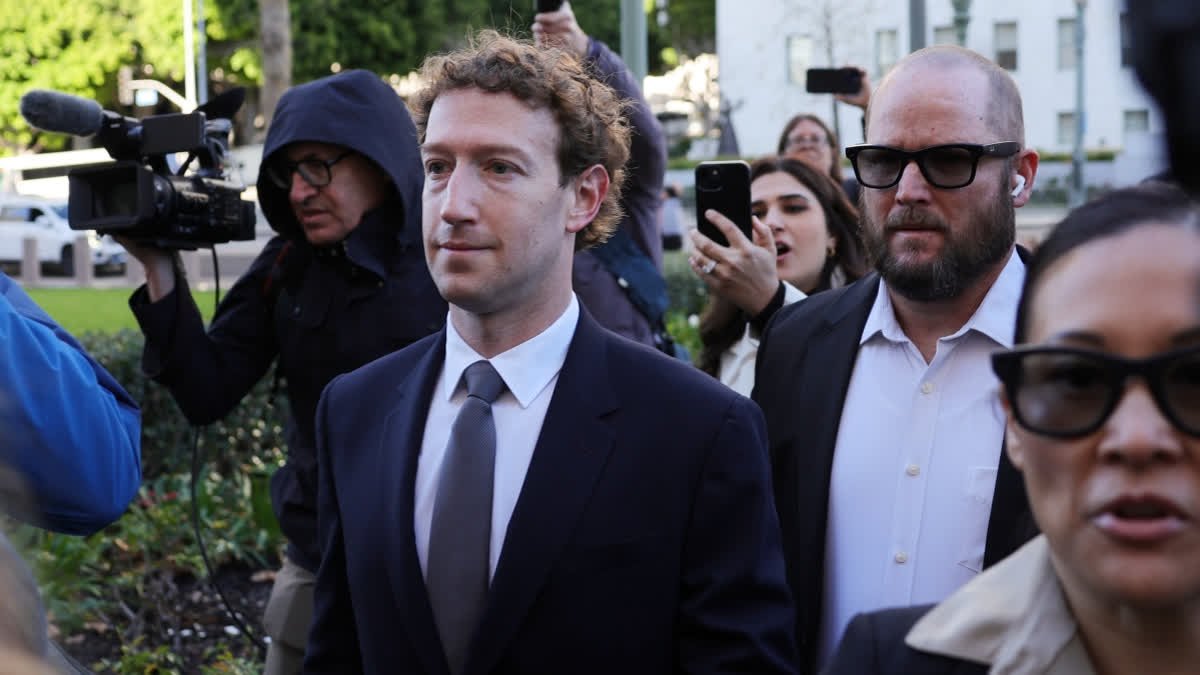
Los Angeles: Meta Platforms CEO Mark Zuckerberg testified on Wednesday in a landmark social media trial examining whether major platforms deliberately addict and harm children. The case, being heard before a jury for the first time, could shape the future of thousands of lawsuits against social media companies.
During hours of questioning, Zuckerberg faced intense scrutiny over young users’ engagement with Instagram, internal company policies, and his past congressional testimony. He maintained that existing scientific research has not proven that social media causes mental health harm to children and teenagers.
The lawsuit was brought by a 20-year-old woman, identified as KGM, who alleges that her early exposure to Instagram led to addiction, depression, and suicidal thoughts. YouTube and Meta remain defendants after TikTok and Snap settled earlier.
Plaintiff attorney Mark Lanier challenged Zuckerberg on whether addictive products increase usage, to which Zuckerberg responded that he did not believe the concept applied to Meta’s platforms. He emphasized that Meta has moved away from time-spent goals, focusing instead on user value and utility.
Lanier also presented internal documents suggesting Meta previously tracked and incentivized user engagement. Zuckerberg acknowledged earlier practices but said the company made a conscious decision to change direction.
The Meta CEO was further questioned about media training, including guidance encouraging him to appear “authentic” and “human” rather than “robotic or corporate.” Zuckerberg rejected claims that he was coached on courtroom responses, saying the feedback was informal.
The trial also revisited Meta’s age-verification policies, which prohibit users under 13 years old, and its handling of cosmetic beauty filters. Zuckerberg said there was insufficient evidence that filters caused harm and warned against limiting self-expression without strong proof.
Children’s safety advocates strongly criticized Zuckerberg’s testimony. Josh Golin, executive director of Fairplay, called it “disingenuous,” accusing Meta of prioritizing engagement-driven features that critics argue are inherently addictive.
This case is one of several selected as a bellwether trial, meaning the verdict could influence how courts nationwide handle youth mental health claims against social media companies. Meta is also facing a separate trial in New Mexico, which began last week.