
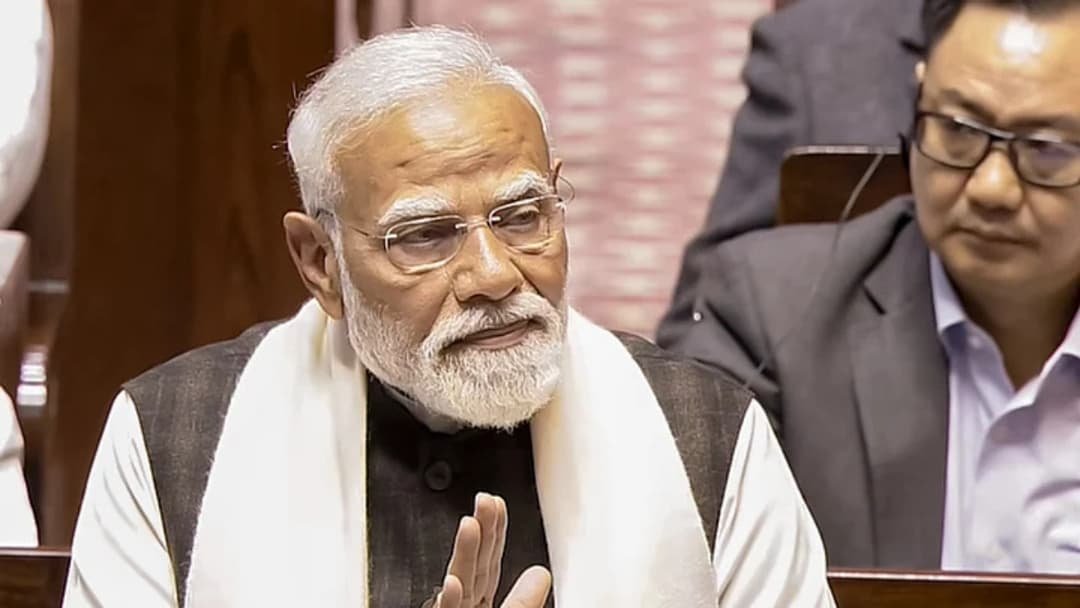
New Delhi — Prime Minister Narendra Modi told Parliament that India is “fully prepared” to deal with the escalating conflict in West Asia, calling the situation “worrisome” and warning of prolonged global economic consequences. His remarks come as tensions rise sharply between Iran and Israel, with continued missile exchanges and growing uncertainty around key global energy routes.
India Prioritizes Citizen Safety and Evacuations
The Prime Minister emphasized that protecting Indian citizens abroad remains the government’s top priority. Since the conflict began on February 28, approximately 375,000 Indians have been evacuated from affected areas, including over 1,000 individuals from Iran—many of them students.
India maintains a significant diaspora presence in the Gulf region, with nearly 10 million Indians living and working across West Asia. Modi noted that he has personally spoken with several regional leaders, who have assured the safety and support of Indian nationals during the crisis.
Strategic Oil Reserves and Energy Preparedness
Addressing concerns over energy security, Modi revealed that India currently holds more than 5.3 million metric tonnes of strategic petroleum reserves, with plans underway to expand capacity beyond 6.5 million metric tonnes. Additional reserves held by state-run oil companies further strengthen the country’s buffer.
A major concern has been the security of the Strait of Hormuz, through which a significant portion of global oil and gas supplies pass. Despite tensions, India successfully ensured the safe passage of two LPG carriers transporting around 92,000 metric tonnes of fuel, signaling effective diplomatic coordination.
India has also diversified its energy imports, increasing sourcing from countries such as the United States and Argentina to reduce reliance on any single region.
Long-Term Measures Cushion Impact
Modi highlighted structural reforms aimed at reducing India’s dependence on imported fossil fuels. These include:
- Ethanol blending initiatives saving an estimated 45 million barrels of oil annually
- Extensive railway electrification reducing diesel consumption
- Expansion of metro networks from under 250 km in 2014 to over 1,100 km today
- Rapid growth in renewable energy, with solar capacity reaching 140 GW
War Escalates Between Iran and Israel
On the ground, the conflict continues to intensify. Iranian forces launched fresh missile attacks targeting Tel Aviv, causing damage to residential areas and injuries among civilians. Israeli air defense systems intercepted several projectiles, lighting up the night sky.
In a significant political development, Iran appointed Mohammad Baqer Zolqadr as the new Secretary of its Supreme National Security Council, replacing Ali Larijani, who was reportedly killed in an الإسرائيلي strike earlier in the conflict. The appointment is widely viewed as a signal of Tehran’s continued hardline stance.
Diplomatic Signals and Global Tensions
Meanwhile, Donald Trump claimed that the United States is engaged in “productive conversations” aimed at easing tensions and reopening key shipping lanes. However, Iranian officials have dismissed these statements as “fake,” accusing Washington of attempting to influence global oil and financial markets.
Backchannel diplomacy is reportedly ongoing through regional intermediaries, including Egypt, Turkey, and Saudi Arabia.
India Walks a Diplomatic Tightrope
India has adopted a balanced diplomatic approach, calling for de-escalation through dialogue while safeguarding its strategic interests. The government has established a high-level inter-ministerial group that meets daily to monitor developments related to fuel supplies, power generation, and fertilizer availability.
Analysts suggest that while prolonged disruption in the Strait of Hormuz could increase India’s import bill, existing reserves and diversified sourcing strategies provide a critical cushion.
Outlook: Uncertainty Ahead
As the conflict enters its fourth week, global markets remain volatile, and concerns over energy security persist. Modi urged citizens to remain calm, avoid misinformation, and stay united—drawing parallels with India’s collective response during the COVID-19 pandemic.
His message was clear: despite mounting global uncertainty, India is prepared to weather the crisis through planning, diplomacy, and national unity.