


Opposition delegation raises alleged electoral irregularities and concerns over voter-roll revision; President asks leaders to provide evidence, according to Rahul Gandhi
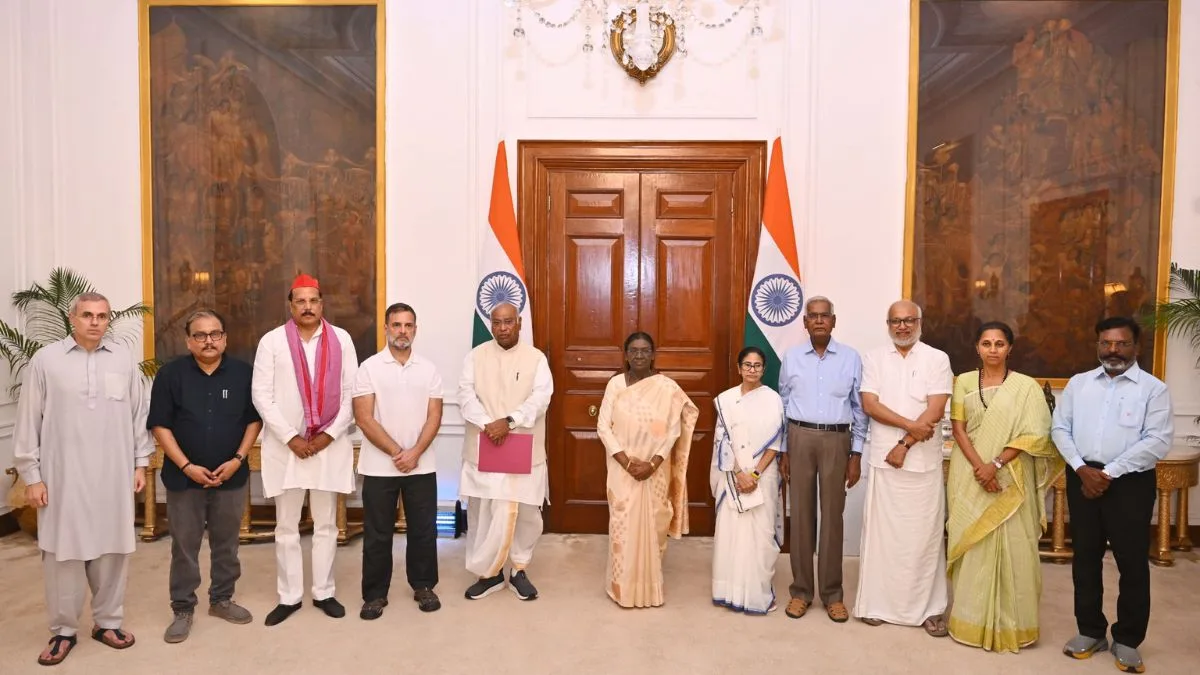
New Delhi : A delegation of opposition INDIA bloc leaders, including Congress president Mallikarjun Kharge and Leader of the Opposition in the Lok Sabha Rahul Gandhi, met President Droupadi Murmu at Rashtrapati Bhavan on Friday and submitted a memorandum alleging electoral irregularities, described by the opposition as “vote chori”.
After the meeting, Rahul Gandhi told reporters that the President had asked the delegation to provide evidence supporting its allegations. He said he was “shocked and stunned” that she had not rejected the opposition’s claims during the interaction.
The allegations concern the functioning of the Election Commission of India (ECI), including its handling of the Special Intensive Revision (SIR) of electoral rolls and claims of irregularities in elections. The allegations remain the opposition’s claims and have not been established by the meeting itself.
Rahul Gandhi Alleges Electoral Irregularities
Speaking outside Rashtrapati Bhavan, Rahul Gandhi said the memorandum accused Prime Minister Narendra Modi, Union Home Minister Amit Shah and Chief Election Commissioner Gyanesh Kumar of conspiring to undermine Indian democracy.
Gandhi claimed that the President neither challenged the opposition’s statements nor denied its allegations, but asked the delegation to provide supporting evidence.
He maintained that the opposition had collected material to substantiate its claims and said its leaders were prepared to submit it to the President.
The Congress leader also alleged that electoral irregularities had occurred across several states, including during the 2024 general election. These assertions were made by Gandhi as part of the opposition’s political campaign against the Election Commission’s functioning.
Opposition Seeks Action Over Election Commission
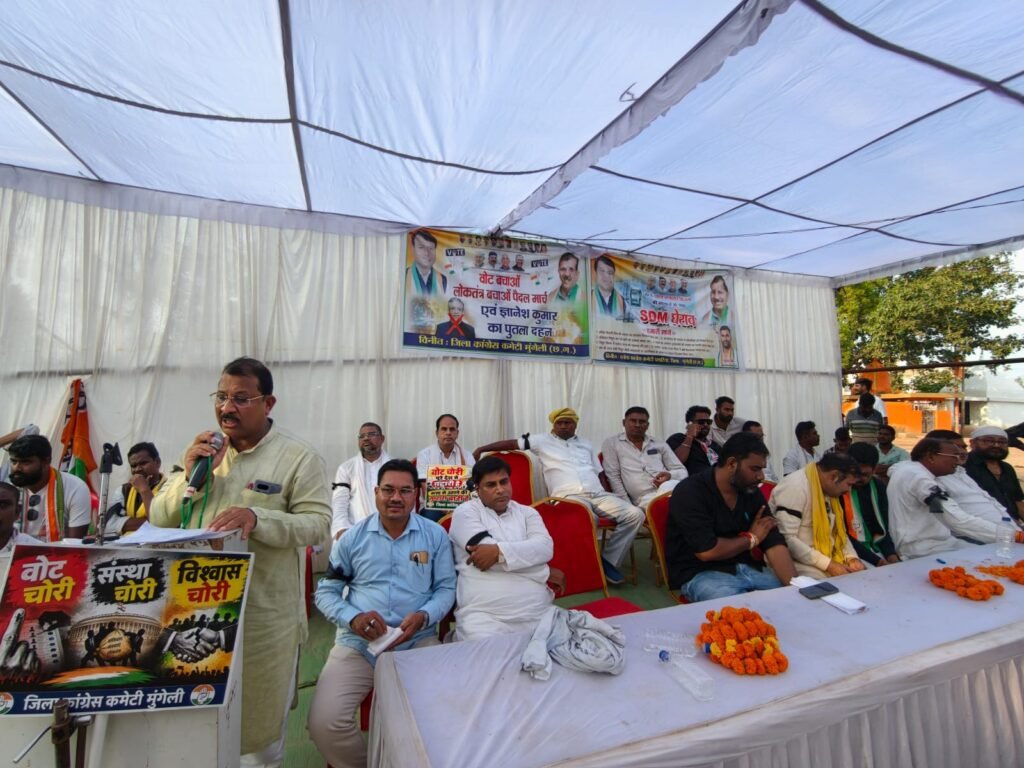
The meeting followed a series of opposition protests demanding accountability from the Election Commission and the resignation of Chief Election Commissioner Gyanesh Kumar.
The memorandum reportedly set out several demands, including:
- Intervention over the opposition’s allegations against the Chief Election Commissioner.
- Suspension of the Special Intensive Revision of electoral rolls.
- Restoration of voters’ names that the opposition alleges were improperly removed.
- A return to paper ballots for elections.
- Review of Assembly elections held over the preceding two years where the opposition claims electoral malpractice occurred.
- Reconsideration of the 2023 law governing the appointment and service conditions of the Chief Election Commissioner and other Election Commissioners.
The demands reflect the INDIA bloc’s broader concerns about electoral transparency, voter-list revisions and the independence of election administration.
Opposition Plans to Approach Supreme Court
Rahul Gandhi said the opposition would take the matter to the Supreme Court on Monday, October 12, and seek a meeting with Chief Justice of India Justice Surya Kant to submit a memorandum.
The proposed move would extend the opposition’s campaign from representations to the President to seeking the attention of the country’s highest judicial institution.
The delegation said it wanted its concerns about the electoral process to be addressed and its allegations examined. Any judicial consideration, however, would depend on the proceedings and the material formally submitted.
Special Intensive Revision at the Centre of the Dispute
The Special Intensive Revision (SIR) of electoral rolls has become a major point of contention between opposition parties and the Election Commission.
Opposition leaders have raised concerns about voter deletions and the procedures followed during the revision exercise. They have argued that electoral rolls must be accurate and that eligible voters should not be excluded.
The Election Commission’s role in maintaining and revising electoral rolls remains central to the dispute. The opposition’s allegations and demands for intervention do not, by themselves, establish that elections were manipulated or that voter deletions were unlawful.
What Happens Next?
The INDIA bloc’s proposed approach to the Supreme Court is expected to be its next step in seeking action on the issues raised in the memorandum.
The central questions are whether the opposition submits supporting evidence, how the relevant authorities respond, and whether any formal proceedings follow.
For now, the controversy remains focused on competing claims over electoral integrity and the functioning of the Election Commission. The opposition is seeking intervention and accountability, while the allegations of “vote chori” require assessment on the basis of evidence and any subsequent official or judicial findings.