The global push to end dependence on fossil fuels moved a cautious step forward on Saturday as world leaders secured a voluntary agreement at Cop30 — but the progress fell far short of what scientists say is necessary to avert the worst impacts of climate breakdown.
The two-week summit in Belém, Brazil, concluded with countries agreeing only to begin discussions on a roadmap for the eventual phase-out of fossil fuels, after tense negotiations that stretched through the night and nearly collapsed amid fierce resistance from major oil-producing nations including Saudi Arabia and Russia.
Partial Victory on Climate Finance, Major Setback on Forest Protection
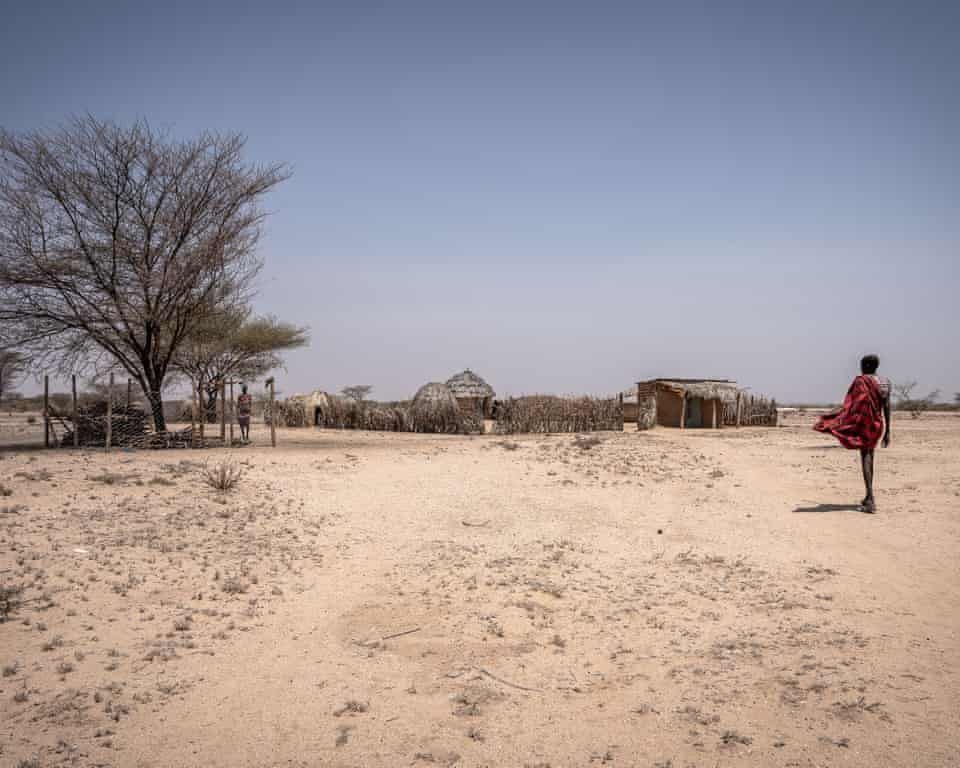
Developing countries secured a key demand: a tripling of financial support from wealthy nations to help adapt to climate impacts. Under the final deal, adaptation funds are set to reach $120bn (£92bn) annually by 2035, though many had hoped to receive these funds by 2030 and on top of the $300bn pledged previously.
However, climate and biodiversity advocates were disappointed when a proposal for a global roadmap to halt deforestation was dropped from the final agreement — a blow particularly painful at a summit hosted in the heart of the Amazon rainforest.
Diplomatic Tensions and Voices Silenced
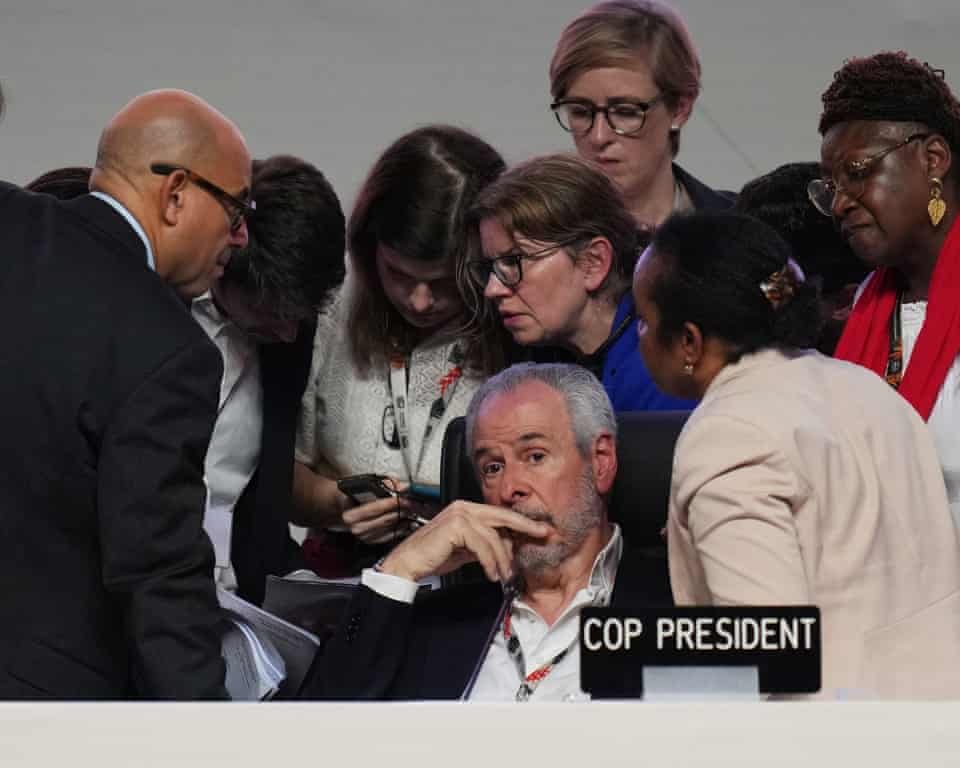
The deal — adopted by 194 countries, with the United States absent — sparked frustration on the floor. Delegates from several nations, including Colombia, protested that they were not allowed to speak before the agreement was approved, despite Brazil branding the conference the “Cop of truth.”
Mixed Reactions From Climate Leaders
Reactions across the climate community reflected a blend of relief and dismay.
Jennifer Morgan, former German climate envoy, remained cautiously optimistic:
> “While far from what’s needed, the outcome in Belém is meaningful progress. The transition away from fossil fuels agreed in Dubai is accelerating.”
But Mohamed Adow, director of Power Shift Africa, criticised the final outcome:
> “Cop30 offered baby steps when the climate crisis demands leaps. Developed countries have betrayed vulnerable nations by failing to deliver adequate emission reduction plans.”
Pakistan’s head of delegation, Aisha Humaira, sharply condemned wealthy nations:
> “Countries that achieved industrial growth using fossil fuels for 200 years are now telling us to stop growing. The right to development and security is fundamental.”
1.5°C Target Still in Jeopardy
Despite repeated warnings from scientists, the summit did not hold countries accountable for failing to submit stronger climate action plans to limit global heating to 1.5°C. Instead, delegates agreed to launch an “accelerator programme” aimed at strengthening national climate commitments, which will report back at next year’s Cop in Turkey, hosted by Australia.
Limited Progress on Social Justice and Critical Minerals
The final agreement acknowledges the need for a “just transition” — providing protection for workers and communities affected by the shift away from fossil fuels.
However, provisions on the exploitation of critical minerals, often linked to human rights abuses, were blocked by China and Russia, leaving major concerns unresolved.
—
What Comes Next
With global emissions still rising and climate disasters increasing, the modest Cop30 outcome underscores the widening gap between scientific warnings and political action. Next year’s Cop will determine whether the world can accelerate the transition swiftly enough to prevent catastrophic climate impacts — or continue falling short.