


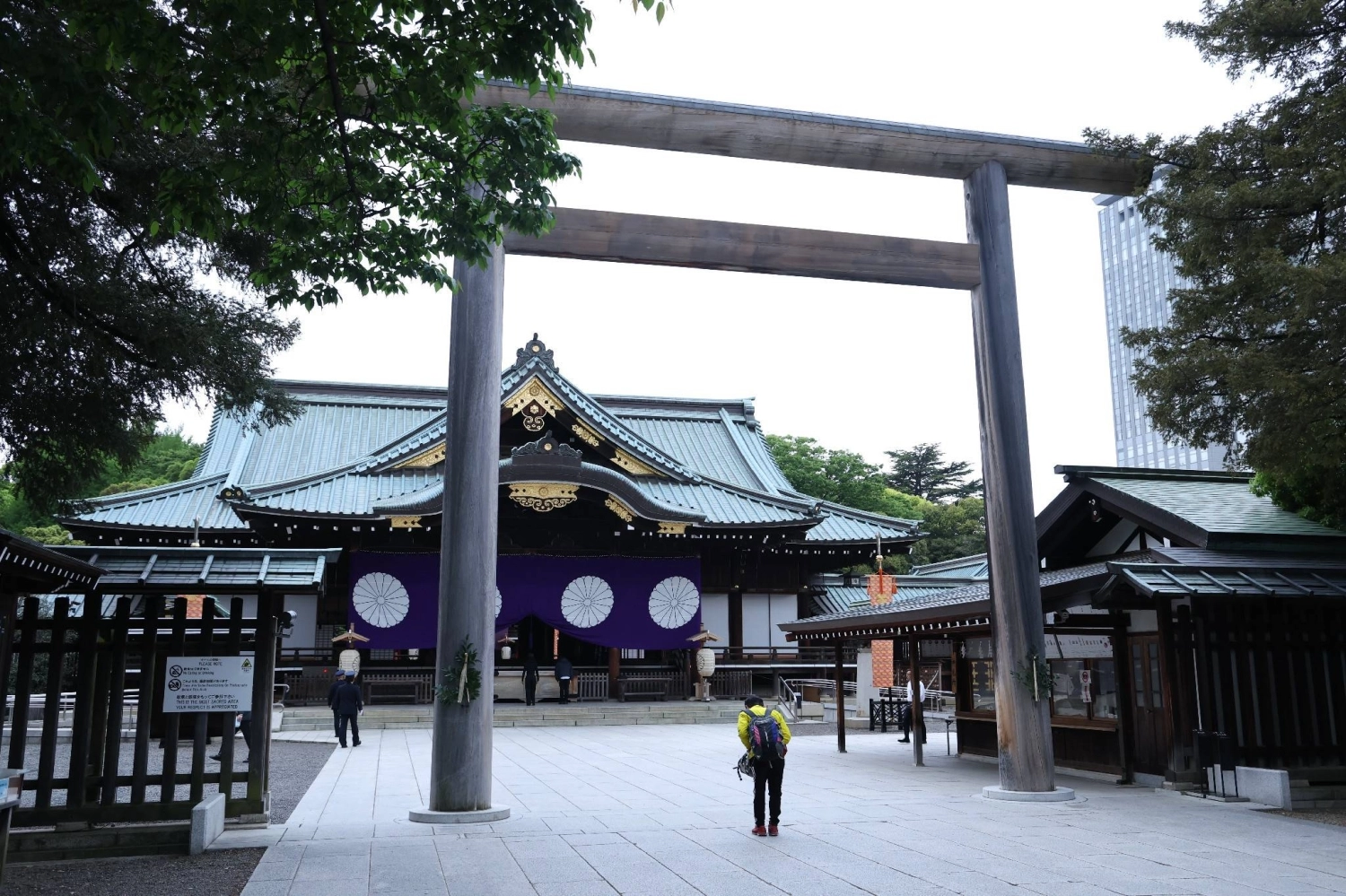

Japan’s Yasukuni Shrine says its new restriction on military-style attire is aimed at cosplay and unauthorized military clothing, while active-duty personnel and others entitled to wear uniforms remain exempt.
TOKYO: Yasukuni Shrine has clarified that its recently announced ban on military-style clothing and equipment does not apply to active-duty military personnel or others who are officially required or authorized to wear uniforms.
The Tokyo shrine issued the clarification on Wednesday after receiving inquiries, including from The Japan Times, regarding an Aug. 7 notice asking visitors not to wear cosplay outfits, military uniforms or military equipment on its premises.
Active-duty personnel exempt from new policy
According to the shrine, the restriction does not apply to members of Japan’s Self-Defense Forces, personnel from foreign militaries, or other individuals who are required to wear uniforms as part of their official duties or are authorized to wear them based on their qualifications.
Yasukuni said the policy was introduced to maintain an environment where members of the public can worship peacefully.
The shrine noted that while the number of actual World War II veterans visiting in their former military uniforms has declined, it has seen an increase in visitors wearing military-style clothing without any official affiliation or qualification.
Policy to remain in effect throughout the year
Yasukuni said the new policy was not introduced in response to a particular complaint, individual incident or specific date. It is expected to remain in effect throughout the year.
Visitors who are unaware of the restrictions will be informed of the policy. However, the shrine said it does not intend to forcibly remove visitors from the premises solely for wearing prohibited clothing.
Yasukuni remains politically sensitive
Yasukuni Shrine is dedicated to Japan’s war dead and includes the enshrinement of individuals convicted as Class-A war criminals following World War II.
The shrine has long been a source of diplomatic and political controversy. China and South Korea have repeatedly criticized visits and activities associated with Yasukuni, viewing it as a symbol of Japan’s militaristic past.
The clarification therefore distinguishes between officially authorized military personnel, who remain permitted to wear their uniforms, and visitors who wear military-style attire without an official connection or qualification.