
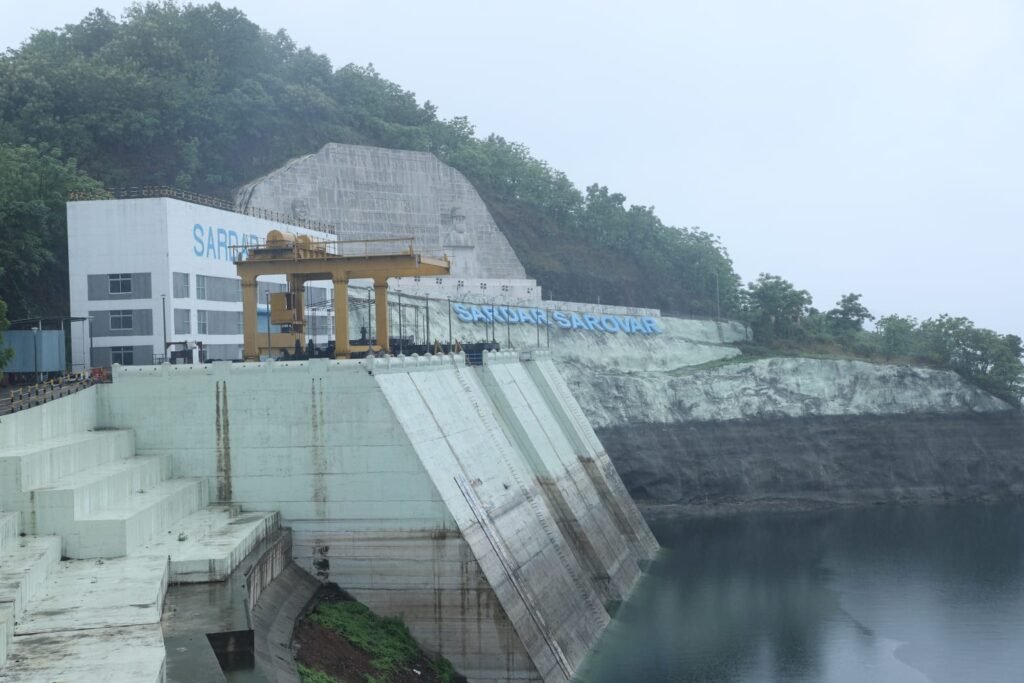
Ekta Nagar, Gujarat: What was once a region primarily dependent on agriculture and livestock farming has emerged as one of India’s fastest-growing tourism destinations. The development of the Sardar Sarovar Dam and the iconic Statue of Unity has completely transformed the local economy, creating thousands of jobs, promoting green mobility, and empowering local communities, especially women.
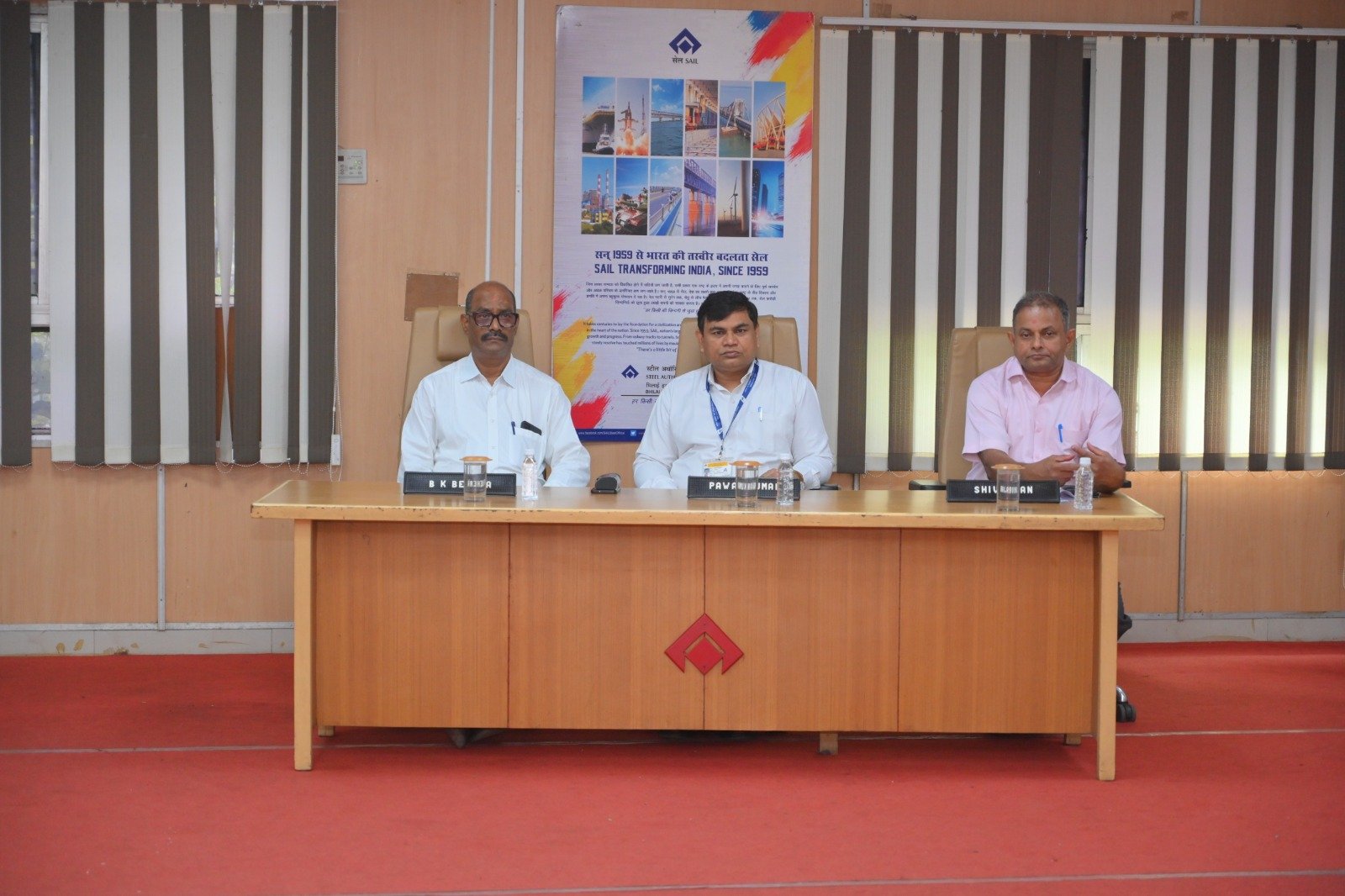
During a Press Information Bureau (PIB), Raipur media study tour to Gujarat, officials from the Statue of Unity Area Development and Tourism Governance Authority (SOUADTG) explained how Ekta Nagar has become a successful example of planned tourism-led development.
According to Additional Collector Narayan Madhu, the region is being developed under a long-term master plan that integrates tourism, infrastructure, transportation, environmental conservation, public services, and local employment rather than focusing solely on increasing tourist arrivals.
Development Rooted in the Sardar Sarovar Project
The transformation began with the Sardar Sarovar Project, inaugurated in 2017, which created the land and infrastructure necessary for future tourism expansion.
The multi-state project benefits Gujarat, Madhya Pradesh, Maharashtra, and Rajasthan, providing:
- Irrigation for nearly 1.8 million hectares of agricultural land.
- Hydropower generation capacity of 1,450 MW.
- Improved water availability across western India.
Officials noted that the availability of land due to the dam project eliminated one of the biggest hurdles normally faced while developing large tourism destinations.
Statue of Unity: A Global Landmark
Standing at 182 meters, the Statue of Unity is the world’s tallest statue, dedicated to Sardar Vallabhbhai Patel, India’s first Deputy Prime Minister and the architect of national integration.
To involve citizens across the country, the government launched the “Loha and Mitti” (Iron and Soil) Campaign, collecting iron from farmers nationwide for the monument’s foundation and soil from different states to construct the Wall of Unity.
Since its inauguration on October 31, 2018, the Statue of Unity has attracted millions of visitors and placed Ekta Nagar on the global tourism map.
Tourism Creates New Economic Opportunities
The expansion of tourism has significantly changed the local economy.
Families that once relied entirely on farming are now employed in various tourism-related sectors, including:
- Hotels and hospitality
- Tourist guiding
- Electric bus operations
- Housekeeping services
- Security and fire safety
- Construction
- Transportation
- Street vending
- Animal care
Officials highlighted that many households now have multiple income sources. In several families, husbands work in hotels while wives earn independently by operating electric rickshaws, contributing to greater financial stability.
Skill Development for Local Youth
To ensure local residents benefit directly from tourism growth, a CSR-supported Skill Development Centre has trained 224 people free of cost in:
- Tourist guiding
- Driving
- Front office operations
- Food & Beverage services
- Beauty and wellness
The objective is to equip local youth with industry-ready skills while ensuring tourism-generated employment remains within the community.
Women at the Center of Growth
One of Ekta Nagar’s most successful initiatives is its Pink E-Rickshaw Service, operated entirely by women drivers.
The initiative has strengthened women’s financial independence while promoting environmentally friendly transportation.
In addition, Self-Help Groups (SHGs) manage the Ekta Nursery, enabling women to earn sustainable livelihoods through tourism-linked activities.
Green Mobility and Sustainable Infrastructure
Ekta Nagar has placed a strong emphasis on eco-friendly transportation.
Current facilities include:
- 55 Electric Buses
- Electric Rickshaws
- E-Bikes
- Electric Kick Scooters
- Electric Golf Carts
- EV Charging Stations
The Ekta Nagar Railway Station has also been developed as a Green Building, reflecting the town’s commitment to sustainability.
Tourists benefit from smart bus stops, cycling tracks, walking paths, and accessible infrastructure designed for senior citizens, children, and persons with disabilities.
Massive Focus on Environmental Conservation
Environmental protection remains a key pillar of development.
According to officials:
- Around 4 million trees have been planted over the past five years.
- Projects such as Miyawaki Forests, Urban Dense Forests, and the Ekta Nursery are helping restore greenery across the region.
- Afforestation efforts continue even on previously barren hills surrounding the area.
The nearby Shoolpaneshwar Wildlife Sanctuary further enhances the destination’s ecological significance.
Expanding Tourism Infrastructure
To accommodate the growing number of visitors, Ekta Nagar now offers approximately 3,000 hotel rooms, with additional three-star, four-star, and five-star hotels under development.
During the peak tourism season in December, the destination welcomes between 80,000 and 100,000 visitors per day.
Authorities have developed:
- Eight major parking facilities
- Modern ticketing systems
- Tourist information centers
- Professional tourist guides
- Radio assistance services
- Wheelchairs and baby strollers
- Well-planned directional signage
A National Model for Tourism-Led Development
Officials believe Ekta Nagar demonstrates how strategic planning, environmental sustainability, community participation, women’s empowerment, green transportation, and tourism can collectively drive long-term economic development.
With additional attractions and world-class infrastructure planned under the ongoing Master Plan, Ekta Nagar is positioning itself as one of India’s leading sustainable tourism destinations.
The remarkable transformation of this once agriculture-based region illustrates how carefully planned tourism can reshape not only a destination’s landscape but also the lives, livelihoods, and future opportunities of its people.