


Tehran/Washington – A major breakthrough has emerged in the Middle East as Iran and the United States have reportedly reached a peace agreement, bringing an end to months of escalating military tensions. The deal is expected to formally conclude the conflict that intensified following military strikes and retaliatory operations between the two nations.
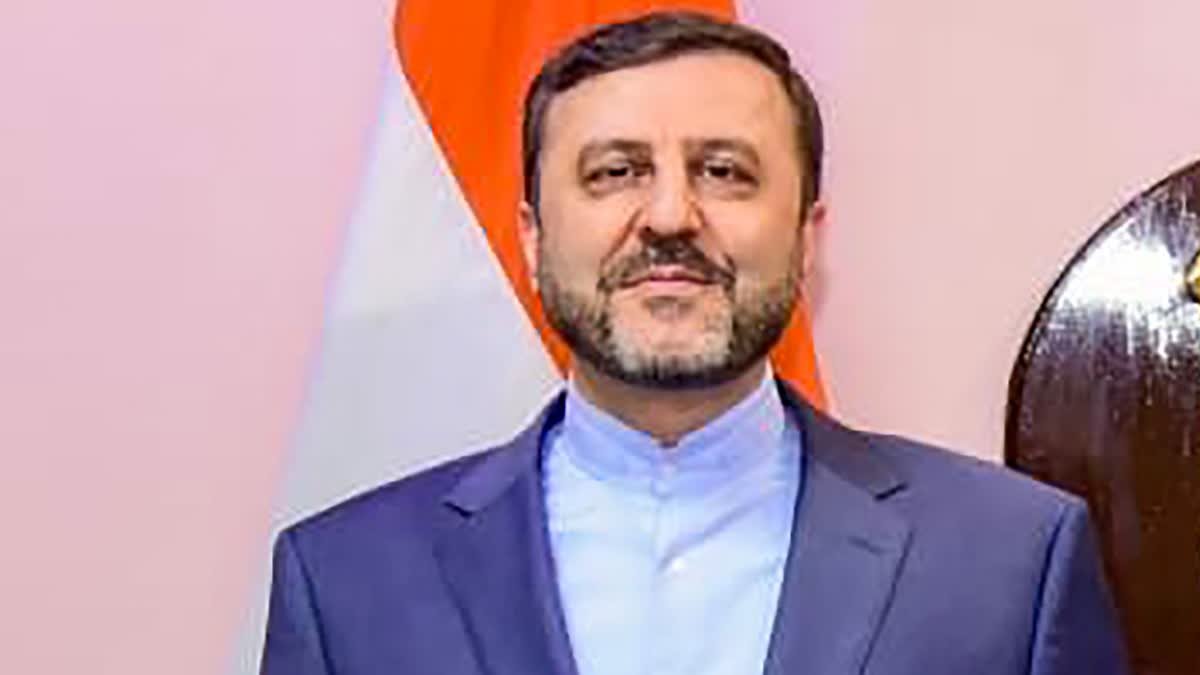
Iran’s Deputy Foreign Minister for Legal and International Affairs, Kazem Gharibabadi, officially confirmed the agreement, stating that Tehran will participate in a proposed 60-day negotiation period only after verifying that Washington fulfills its commitments to end hostilities, lift restrictions, and release frozen Iranian assets.
According to Iranian state media, the official signing ceremony for the peace agreement is scheduled to take place later this week. Following the signing, the full details of the agreement will be made public.
Trump Announces End of Naval Blockade
U.S. President Donald Trump announced that the peace deal between Washington and Tehran had been completed and declared the immediate removal of the U.S. naval blockade in the Strait of Hormuz, one of the world’s most strategically important shipping routes.
In a post on Truth Social, Trump wrote:
“The deal with Iran is now complete. Congratulations to everyone. I authorize the Strait of Hormuz to be opened toll-free and the U.S. naval blockade to be removed immediately. To the ships of the world—start your engines.“
The reopening of the Strait of Hormuz is expected to have significant implications for global energy markets, as roughly one-fifth of the world’s oil supply passes through the narrow waterway.
Iran Claims Military Victory
Iranian officials described the agreement as more than a diplomatic achievement, portraying it as the result of what they called a successful military defense campaign.
Gharibabadi stated that the nation which launched attacks against Iran failed to achieve its objectives, while Iran emerged from the conflict with what he described as a “major victory.”
He emphasized that the agreement was made possible through the sacrifices of Iranian military personnel and citizens who lost their lives during the conflict.
Verification Before Further Negotiations
Despite confirming the agreement, Tehran remains cautious about future engagement with Washington.
Iranian officials stressed that participation in the next phase of talks depends on whether the United States fulfills its commitments regarding:
- Ending military operations
- Removing blockades and restrictions
- Releasing Iranian financial assets
- Implementing agreed-upon confidence-building measures
Gharibabadi noted that the agreement should not be interpreted as a sign of trust in Washington, adding that Iran will closely monitor American compliance before moving forward with additional negotiations.
Regional Support and International Mediation
The peace breakthrough reportedly followed extensive diplomatic efforts involving several regional powers.
Pakistan Prime Minister Shehbaz Sharif announced that both sides had agreed to immediately and permanently cease military operations across all fronts, including areas connected to regional conflicts.
Sharif also confirmed that an official international signing ceremony is expected to take place in Switzerland on June 19, while technical meetings and implementation discussions will occur beforehand.
He thanked Qatar, Saudi Arabia, and Turkey for helping facilitate negotiations and supporting the mediation process that ultimately led to the agreement.
Global Impact
The peace agreement could mark one of the most significant geopolitical developments in recent years. Analysts believe the reopening of the Strait of Hormuz, combined with reduced military tensions between Washington and Tehran, could:
- Stabilize global oil markets.
- Improve international shipping security.
- Reduce the risk of wider regional conflict.
- Open the door for future diplomatic engagement between the two countries.
While optimism is growing, officials on both sides acknowledge that the long-term success of the agreement will depend on full implementation of its provisions and continued diplomatic cooperation.
For now, the world is watching closely as the United States and Iran move toward formally signing a deal that could reshape the political and economic landscape of the Middle East.