

Caracas: Venezuela’s National Assembly on Thursday approved an amnesty bill that could lead to the release of hundreds of politicians, activists, journalists, and other detainees, marking a dramatic policy shift for a country that has long denied holding political prisoners.
The measure, proposed last month by Acting President Delcy Rodríguez, acknowledges for the first time that many detentions over the past decades were politically motivated. The bill is expected to benefit opposition members, human rights defenders, lawyers, and activists targeted by the ruling party over the past 27 years.
Lawmakers approved the bill following intense debate, overcoming divisions within the ruling coalition and resistance from hardline loyalists. Opposition legislator Nora Bracho welcomed the move, calling it “an important step forward, even if imperfect,” and said it would help ease the suffering of many Venezuelan families.
The approval comes amid a broader political reset following last month’s unprecedented U.S. military operation in Caracas that resulted in the capture of then-President Nicolás Maduro. Venezuelan authorities had for decades rejected claims by opposition groups and international organizations that political prisoners existed in the country.
Scope of the Amnesty
The law grants “general and full amnesty” for crimes or offenses committed during politically charged periods since 1999, including acts linked to political unrest and election-related violence. It specifically covers cases tied to the aftermath of the 2024 presidential election, when protests erupted nationwide and more than 2,000 people were arrested, including minors.
One major point of contention during negotiations was whether Venezuelans who fled the country to avoid detention could qualify for amnesty. Lawmakers resolved the dispute by allowing individuals abroad to apply through legal representatives rather than requiring them to return to Venezuela in person.
Opposition and Human Rights Response
General amnesty has long been a central demand of Venezuela’s opposition and international human rights groups. While many welcomed the legislation, organizations cautioned that its impact will depend on how quickly and transparently it is implemented.
The prisoners’ rights organization Foro Penal estimates that more than 600 people remain detained for political reasons. Following Maduro’s capture, Rodríguez’s government announced plans to release a large number of detainees, but families and watchdog groups have criticized the slow pace of releases. Foro Penal reports that 448 detainees remain in custody.
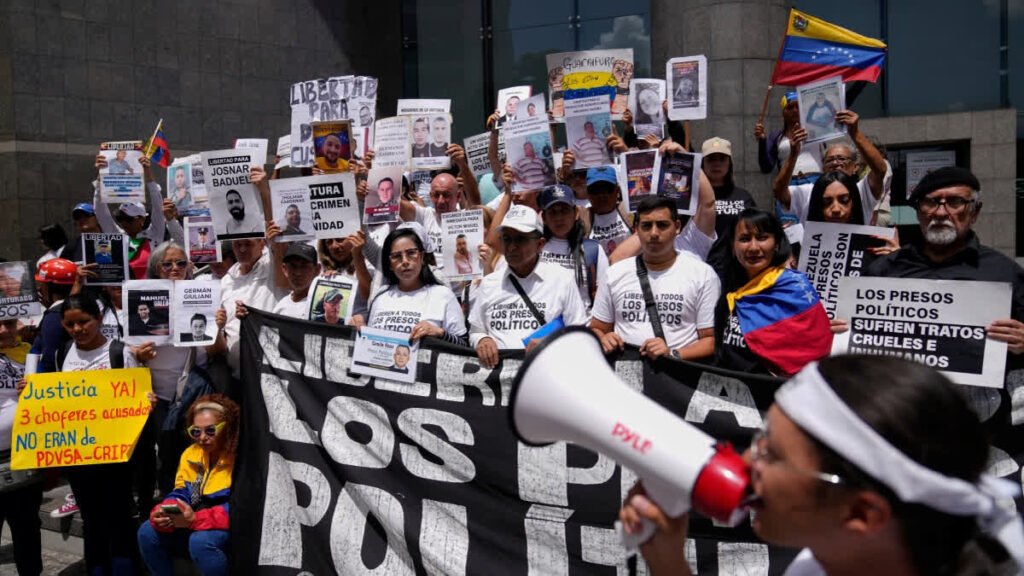
In recent days, families of detainees have gathered outside prisons and government offices demanding action. Some relatives have begun hunger strikes to pressure authorities to accelerate releases.
Broader Political Shift
The amnesty bill is the latest in a series of policy reversals by Venezuela’s interim leadership, which has also moved swiftly to comply with directives from the administration of U.S. President Donald Trump, including sweeping changes to the country’s oil industry laws.
For many Venezuelans, the passage of the amnesty law represents a rare moment of hope after years of political repression and unrest. Whether it delivers meaningful relief, however, will depend on how soon detainees walk free.