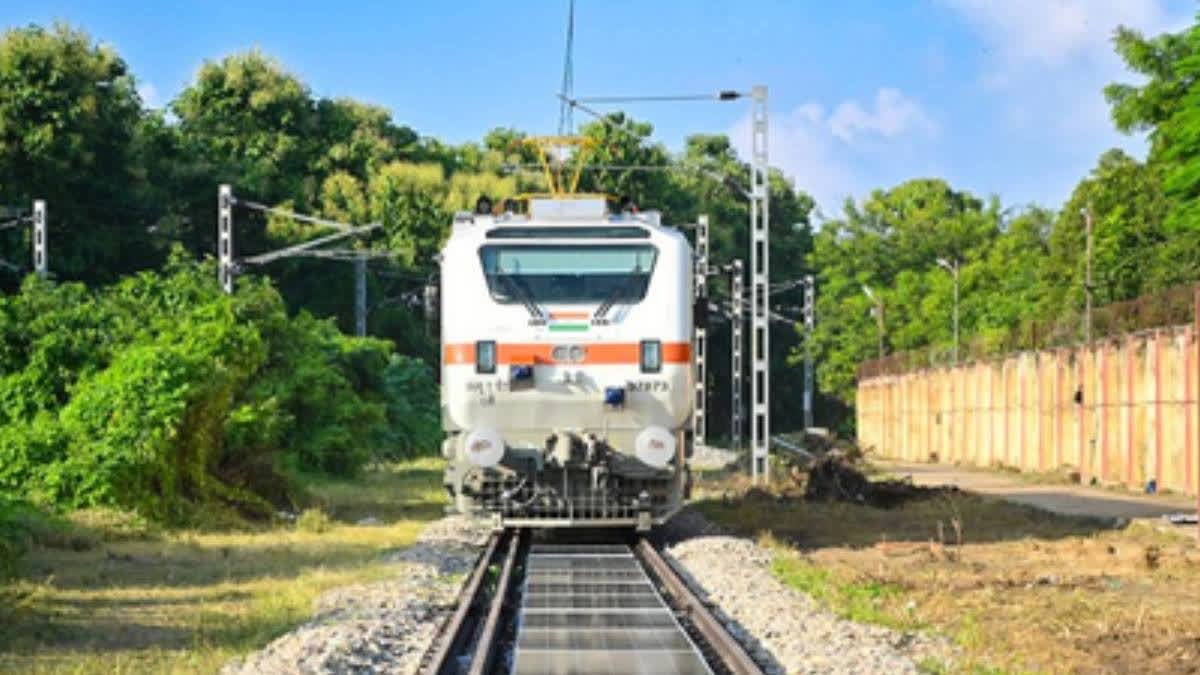

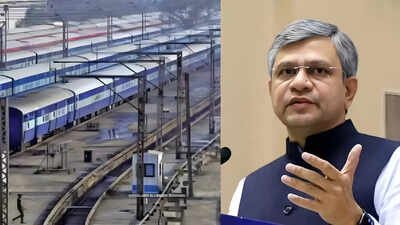
New Delhi: India’s Union Cabinet has approved three major railway infrastructure projects worth a combined ₹18,509 crore, including the construction of a new third and fourth rail line on the Delhi–Ambala route, a move aimed at boosting passenger capacity and strengthening strategic military mobility.
The decision was taken at a meeting of the Cabinet Committee on Economic Affairs, officials said on Saturday.
Strategic Importance of the Delhi–Ambala Project
Among the approved projects, the Delhi–Ambala rail corridor stands out for its national and strategic significance. The 194-kilometer-long project, estimated to cost ₹5,983 crore, will enhance rail connectivity across key cities in Haryana, including Sonipat, Panipat, and Kurukshetra.
Union Railways Minister Ashwini Vaishnaw said the upgraded corridor will play a crucial role in facilitating the movement of armed forces from Delhi toward northern regions, including Jammu, underlining its strategic value for national security.
Three Rail Projects Across Four States
In addition to the Delhi–Ambala expansion, the Cabinet approved:
- The Kasara–Manmad third and fourth rail lines in Maharashtra
- The Ballari–Hosapete third and fourth rail lines in Karnataka
Together, the three projects will extend India’s railway network by approximately 389 kilometers, passing through 12 districts across Delhi, Haryana, Maharashtra, and Karnataka. The expansions are expected to ease congestion, improve punctuality, and support freight and passenger growth.
Boost for Startups and Urban Development
The Cabinet also approved the second phase of the Startup India Fund of Funds 2.0, allocating ₹10,000 crore to strengthen India’s startup ecosystem.
Additionally, a new Urban Challenge Fund (UCF) was cleared, with ₹1 lakh crore in central assistance, aimed at accelerating urban infrastructure and innovation projects across Indian cities.
North and South Blocks to Become National Museum
In a separate decision taken after the final Cabinet meeting at South Block, the government resolved to incorporate North Block and South Block into the upcoming Yuge Yugeen Bharat National Museum.
Minister Ashwini Vaishnaw said the museum will showcase India’s thousands-of-years-old civilization and cultural heritage, transforming the iconic government buildings into a major public cultural destination.