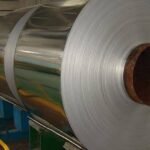


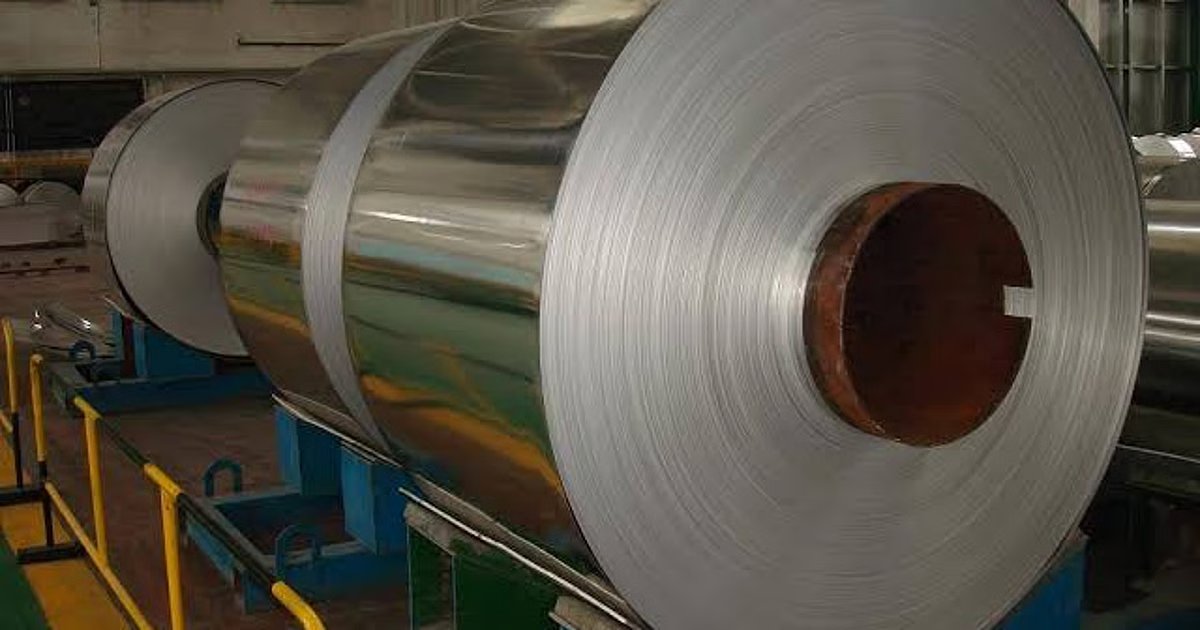

Aluminium product manufacturers have urged the Centre to scrap the basic customs duty on primary aluminium in the upcoming Union Budget, arguing that the existing levy is raising input costs for domestic manufacturers and weakening the competitiveness of micro, small and medium enterprises (MSMEs).
The Aluminium Extrusion Manufacturers Association of India (ALEMAI) has written to Finance Minister Nirmala Sitharaman, requesting that the basic customs duty on primary aluminium be reduced from 7.5 per cent to zero per cent. The current levy translates into an effective import duty of 8.25 per cent after including the social welfare surcharge.
In its representation, the association specifically sought the removal of the duty on primary aluminium under tariff heading 7601, saying the move would help expand domestic consumption, strengthen downstream manufacturing and encourage greater value addition within the country.
“We respectfully request the government in the forthcoming Union Budget…the basic customs duty on primary aluminium under tariff heading 7601 (be reduced) from 7.5 per cent to 0 per cent,” ALEMAI said in its letter.
Import-parity pricing adds to manufacturers’ costs
The association said India has developed a globally competitive primary aluminium industry and has considerable scope to increase domestic consumption. However, the downstream segment, which includes a large number of MSMEs, continues to face a structural cost disadvantage because of the existing tariff regime on primary aluminium, its principal raw material.
Domestic prices of primary aluminium are linked to international prices and import-parity benchmarks. As a result, the customs duty imposed on imported metal also influences the price at which domestic producers sell their products, increasing the input costs faced by downstream manufacturers even when they purchase metal within India.
The issue has also been highlighted in the Ministry of Mines’ Vision Document on Aluminium Sector 2025. According to the document, India’s downstream aluminium industry paid approximately $470 million more than necessary to domestic primary aluminium producers in 2022 because of import-parity pricing.
The document noted that this additional expenditure came at the cost of growth and investment in the downstream segment.
The burden is particularly significant for MSMEs, where raw materials account for a substantial share of overall manufacturing expenses. Higher aluminium prices directly affect profit margins, capacity utilisation and investment decisions, while making it harder for Indian manufacturers to compete in domestic and overseas markets.
FTA imports create an uneven playing field
Downstream manufacturers are also facing growing competition from finished and semi-finished aluminium products entering India at preferential or zero-duty rates under the country’s free trade agreements.
ALEMAI argued that this creates an inverted duty structure, with domestic manufacturers paying higher prices for their raw materials while competing against imported products that can enter the Indian market at lower or zero tariff rates.
Removing the customs duty on primary aluminium would help address this imbalance, reduce the input cost burden and allow domestic manufacturers to compete more effectively in export markets.
The association said the proposed change would strengthen the country’s downstream manufacturing ecosystem, encourage domestic value addition, support MSMEs and expand aluminium consumption across the economy.
Industry seeks policy support amid rising aluminium demand
The demand comes amid expectations of rising aluminium consumption in India, driven by infrastructure development, power, transport, construction and manufacturing. India is the world’s second-largest producer of primary aluminium, but its per capita consumption remains considerably below the global average, indicating significant room for growth.
NITI Aayog has put India’s annual per capita aluminium consumption at around 3-4 kg, compared with the global average of 11-13 kg. The metal is increasingly important for sectors such as electric vehicles, renewable energy, electrical equipment and construction.
The demand for a reduction in import duty has also received wider backing from downstream industry groups. In a separate representation ahead of the 2027-28 Budget, several associations, including ALEMAI, the Cable and Conductor Manufacturers Association of India, the Federation of All India Aluminium Utensils Manufacturers and the Confederation of All India Traders, called for the removal of the 7.5 per cent basic customs duty on primary aluminium.
Manufacturers believe that lowering the duty would improve the cost competitiveness of domestic producers, encourage investment in downstream facilities and enable more value addition within India.
The proposed duty reduction, they argue, would therefore not only ease the burden on smaller manufacturers but also help expand the country’s aluminium market and strengthen its position in global manufacturing.