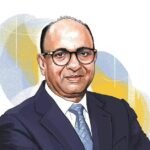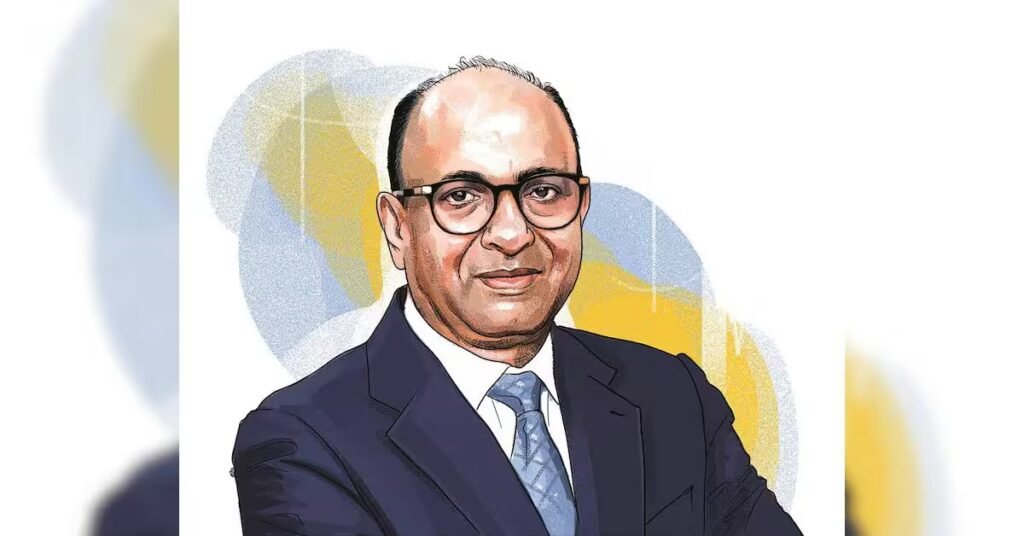

A day after Prime Minister Narendra Modi came down heavily on India Inc for not creating jobs and hiking salaries despite steep corporate tax cuts, Vedanta group Chairman Anil Agarwal said the company had just recently “introduced a special ‘Chairman Grant’, providing nearly 100,000 employees with an additional 10 per cent of their annual salary”.
Other industry leaders and business associations said they, too, were doing their bit, with some also making a case for additional measures to boost employment in their respective sectors. There was, however, no immediate reaction from major industry bodies.
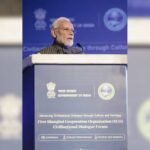
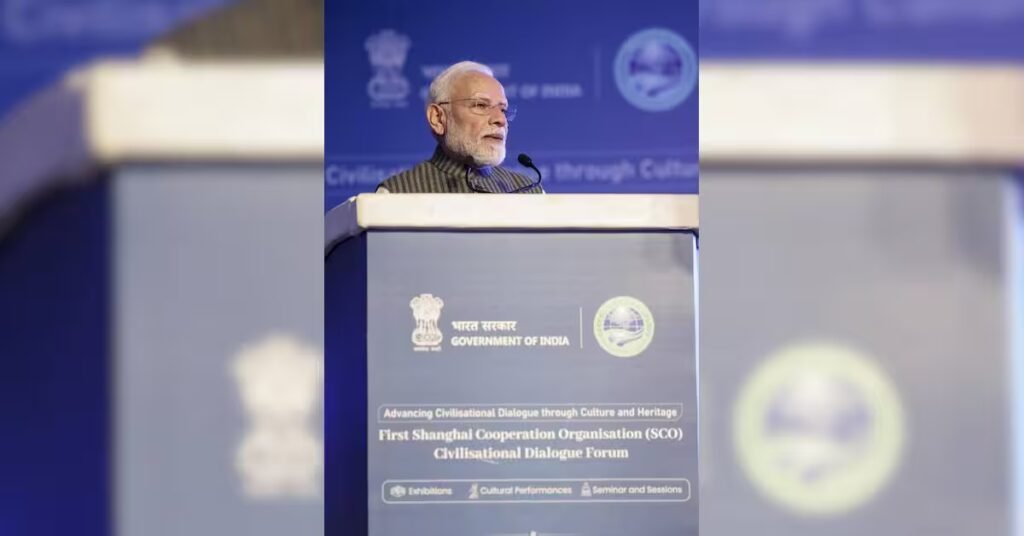
Modi, in his address on Thursday at the Federation of Indian Chambers of Commerce and Industry’s annual general meet, had pulled up corporate India for its continued dependence on imports in sectors such as pharmaceuticals and metals, and for treating the country’s vast domestic market as a “comfort zone” rather than raising product quality and building capabilities to compete globally.
Mohini Milind Kelkar, president, Indian Machine Tool Manufacturers’ Association (IMTMA), said the association shared the Prime Minister’s concerns and had been working to bridge the workforce shortage.
While acknowledging the mining sector’s “significant potential to generate employment, both directly and through allied activities such as transportation, equipment manufacturing and downstream processing”, the Federation of Indian Mineral Industries said that encouraging investment in mining and value addition, along with skill development, would help create quality employment. This would “strengthen India’s mineral security and reduce dependence on imports”, its spokesperson said.
Expressing the industry’s support to the PM’s call, Sanjay Mehta, president, Material Recycling Association of India, added, “However, the material recycling sector has a unique challenge. India’s domestic scrap generation is currently insufficient to meet the growing requirements of its recycling industries, which is a key raw material.” Consequently, Mehta said, imports of quality scrap become “inevitable”.
Echoing the sentiment, Rajamani Krishnamurti, president, Indian Stainless Steel Development Association (ISSDA), said the Prime Minister’s remarks resonated strongly with the Indian stainless steel industry’s aspirations and ground realities — but certain structural challenges needed urgent attention if India is to realise its full manufacturing potential. The ISSDA would like to highlight the need for strengthening raw material security, immediate implementation of quality control orders, fair trade and not unfair competition.
Krishnamurti pointed to priority issues such as addressing unfair trade practices, promoting domestic value addition and encouraging investment, technology and employment. The central message of the Indian stainless steel industry, he added, was that it does not seek protection from competition; it seeks a level playing field.
Ajai Rana of the Federation of Seed Industry of India (FSII) said India’s seed industry is recruiting people, and though the industry is sitting on huge inventories, it has not retrenched anyone.
Most industry players were largely supportive of the Prime Minister’s call. Some also listed the factors holding them back.
“The biggest drawbacks are bureaucracy and a parallel economy, both of which are hurting the country,” said a senior industry player who did not wish to be named. Another India Inc representative, who spoke on anonymity, added that the question of creating jobs and passing on the tax benefits varied from sector to sector. “Some industries, such as kitchenware and appliances, are adding jobs since they are growing,” the official said. That said, there has been a lull in major manufacturing sectors, the official added.
A representative from the roads and infrastructure sector said the issues facing the roads sector were rather complicated with matters such as premium, bonus etc dominating the discourse.
The Vedanta Group, meanwhile, said in a note that the group had also built a democratised employee stock option (ESOP) programme, extending ownership opportunities from entry-level professionals, including freshers, to senior leadership, covering nearly 40 per cent of its workforce.
A senior NITI Aayog official urged the industry to view the government as a facilitator, not just as an entity for financial sops.