
New Delhi: In a major relief for cancer patients and their families, the Government of India has rationalised trade margins on 137 identified non-scheduled anti-cancer drugs, capping the maximum trade margin at 30%. The move, aimed at making cancer treatment more affordable and accessible, has led to a 20%–70% reduction in the Maximum Retail Price (MRP) of more than 1,000 cancer medicines.
The revised prices came into effect on 9 November 2026. Patients can verify the new rates on the National Pharmaceutical Pricing Authority (NPPA) website and the ‘Pharma Sahi Daam’ mobile application.
Why Cancer Drugs Are Expensive
Advances in medical science have significantly expanded treatment options through new drugs, targeted therapies, and immunotherapy. However, the high cost of these treatments—especially biological (biologic) drugs—has remained a major barrier.
Unlike conventional chemical drugs, biologic medicines are produced using living cells and complex biological systems. Their development requires advanced laboratories, specialised manufacturing facilities, stringent quality controls, and extensive clinical trials. These factors, combined with high research and development costs and excessive trade margins in the supply chain, have kept prices elevated.
Impact of the Trade Margin Cap
By limiting the trade margin to 30% on the 137 non-scheduled anti-cancer drugs (covering both domestically available and globally sourced medicines), the government has ensured that both current and future cancer drugs fall under this ceiling. Actual price reductions vary by drug and brand, but the overall impact is substantial.
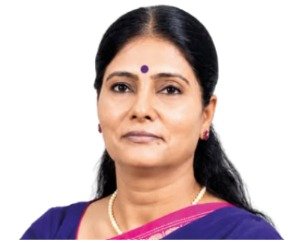
Union Minister of State for Health & Family Welfare and Chemicals & Fertilizers, Smt. Anupriya Patel, noted that the high cost of prolonged treatment, repeated hospital visits, and expensive medicines often forces patients and families to lose hope before the fight even begins. The price cuts are expected to encourage timely initiation of treatment among those who previously hesitated due to financial constraints.
Ensuring Benefits Reach Patients
Authorities have emphasised that the reduced prices must reflect clearly in hospital bills. Both government and private hospitals, as well as pharmacies, are required to charge patients according to the revised rates from the effective date. New prices must be prominently displayed.
Implementation is being monitored through:
- State Drug Controllers
- Manufacturers
- Feedback and complaints received on the Pharma Sahi Daam app
Since a large share of anti-cancer drugs is supplied directly to hospitals and medical institutions, these entities are obligated to make the lower-priced medicines available to patients immediately.
Complementary Measures Suggested
To further improve access, the article highlights the need for more hospitals to join the Tata Memorial Hospital Cancer Grid, which negotiates discounts to make advanced therapies more affordable. Bulk procurement through systems such as CGHS is also recommended to bring down costs for patients.
Broader Context
Cancer is not only a medical challenge but also an emotional, social, and economic burden on families. While scientific innovation must continue, the ultimate measure of any health policy is whether its benefits reach every patient in need without financial hardship becoming an obstacle.
The trade margin rationalisation is a significant step toward making cancer care more affordable and accessible across India.