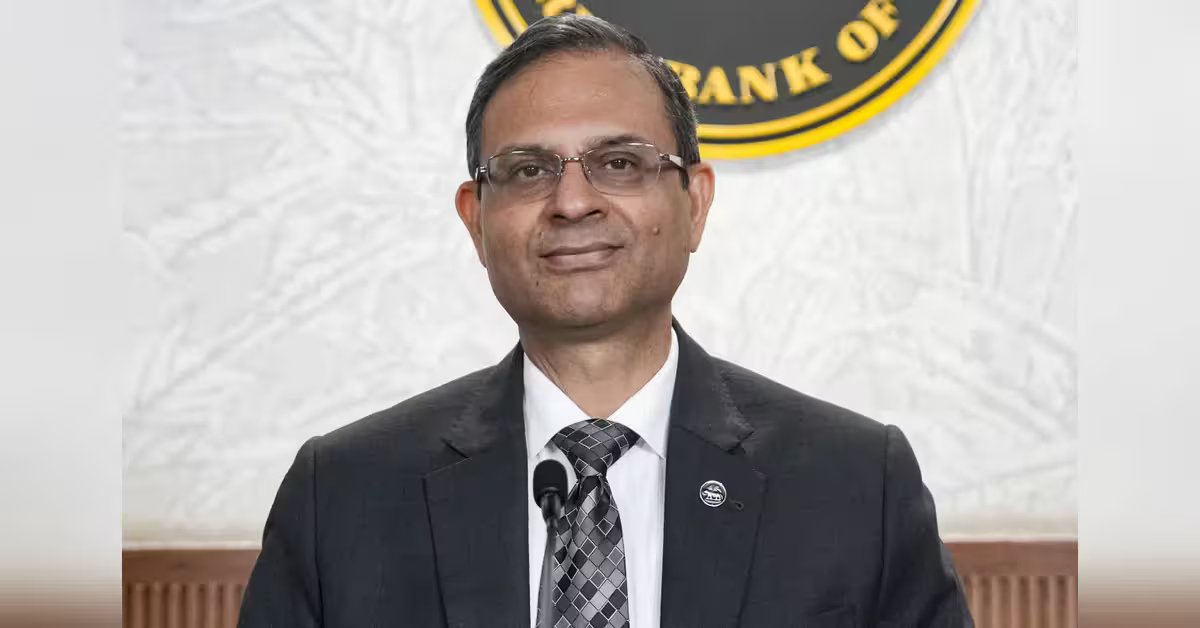

Reserve Bank of India (RBI) Governor Sanjay Malhotra on Monday said micro, small and medium enterprises (MSMEs) are the “nursery of entrepreneurship” and are central to the Viksit Bharat vision. Inaugurating a Special Awareness Programme for MSME entrepreneurs in Kochi, organised by the RBI in connection with International MSME Day 2026, Malhotra highlighted their role in driving economic growth and generating employment. The larger message was clear: The next phase of MSME policy is less about announcing schemes and more about reducing friction in credit delivery. That puts banks, digital lending infrastructure and local-level engagement at the centre of the sector’s growth story.
Why is the RBI stressing MSME credit now?
MSMEs are large enough to matter to the macroeconomy but small enough to be constrained by cash flow, collateral and delayed payments. The Ministry of MSME has said the sector contributes about 31.1 per cent to India’s gross domestic product, accounts for 48.58 per cent of exports, generates around 35.4 per cent of manufacturing output, and provides livelihoods to about 328 million people, making it the second-largest source of employment after agriculture. That is why Malhotra’s formulation in Kochi links MSMEs directly to Viksit Bharat. The RBI’s own role is focused on credit architecture: Its Financial Inclusion and Development Department formulates policy to strengthen credit flow to priority sectors and step up credit flow to the MSME sector, according to the central bank’s department profile.
What did Malhotra ask banks to do?
Malhotra said credit growth in the MSME sector had outpaced overall credit growth and that Kerala had performed strongly in this regard. He urged banks to treat MSMEs as long-term partners, not merely as small-ticket borrowers. He also highlighted RBI initiatives such as Priority Sector Lending targets, an enhanced collateral-free loan threshold, the Trade Receivables Discounting System, the Account Aggregator framework and the waiver of pre-closure charges. The RBI’s updated master direction on lending to the MSME sector says banks are mandated not to accept collateral security for loans up to ₹20 lakh extended to units in the micro and small enterprises sector, and may raise the collateral dispensation limit to ₹25 lakh on the basis of good track record and financial position, according to the RBI direction on February 9. It also says banks should achieve 20 per cent year-on-year growth in credit to micro and small enterprises.
Can digital rails ease the financing bottleneck?
Malhotra highlighted the upcoming Unified Lending Interface, which is expected to streamline credit appraisal. The RBI says the Unified Lending Interface is a digital public infrastructure in the lending space that facilitates lending by enabling the seamless flow of digital information from multiple data service providers to lenders, and that its pilot began on August 17, 2023, according to the RBI department profile. It had been reported earlier that the Unified Lending Interface had facilitated the disbursement of over 600,000 loans amounting to ₹27,000 crore, including about 160,000 loans amounting ₹14,500 crore to MSMEs, according to the RBI’s Trend and Progress report.
Why does TReDS matter for small firms?
Malhotra called on entrepreneurs to make greater use of TReDS and maintain financial discipline and transparency. The point is not merely procedural. For many small suppliers, delayed receivables can force dependence on expensive working capital. The RBI says the objective of TReDS is to create electronic bill factoring exchanges that can electronically accept and settle bills so that MSMEs can encash receivables without delay and impose greater payment discipline on companies, according to its MSME FAQs. The RBI’s separate TReDS FAQs say sellers, buyers and financiers are participants on the platform, and only MSMEs can participate as sellers.
Why was Kochi chosen as the setting?
Malhotra praised Kochi’s entrepreneurial legacy, from the spice trade to the tourism, Ayurveda and plywood industries, and pointed to emerging sectors such as fintech and clean energy. The programme, held at a hotel in Kochi, was attended by more than 150 MSME entrepreneurs from across Kerala. Senior officials from the RBI, commercial banks, public-sector banks, Small Industries Development Bank of India (Sidbi) and the state government participated. The event featured technical sessions on access to credit, innovative financing solutions, support schemes offered by Sidbi, RBI initiatives for the sector, and programmes implemented by the central and state governments. During an interactive session, entrepreneurs discussed issues related to access to credit, banking services and business development with bankers and government officials.
The event underlined a shift in the MSME debate. India already has priority-sector rules, collateral-free thresholds, receivables platforms and new digital lending rails. The harder test is whether these instruments can reach the entrepreneur before a delayed payment, a missing document or a cautious bank turns a viable business need into a financing gap.
(With inputs from agencies)