
While the case raises questions about its ability to infect humans, there is currently no evidence of human-to-human transmission or a wider public health threat.
What is the Shamonda virus?
First isolated from cattle in Nigeria in 1965, the Shamonda virus has since been detected in parts of Africa and Asia.
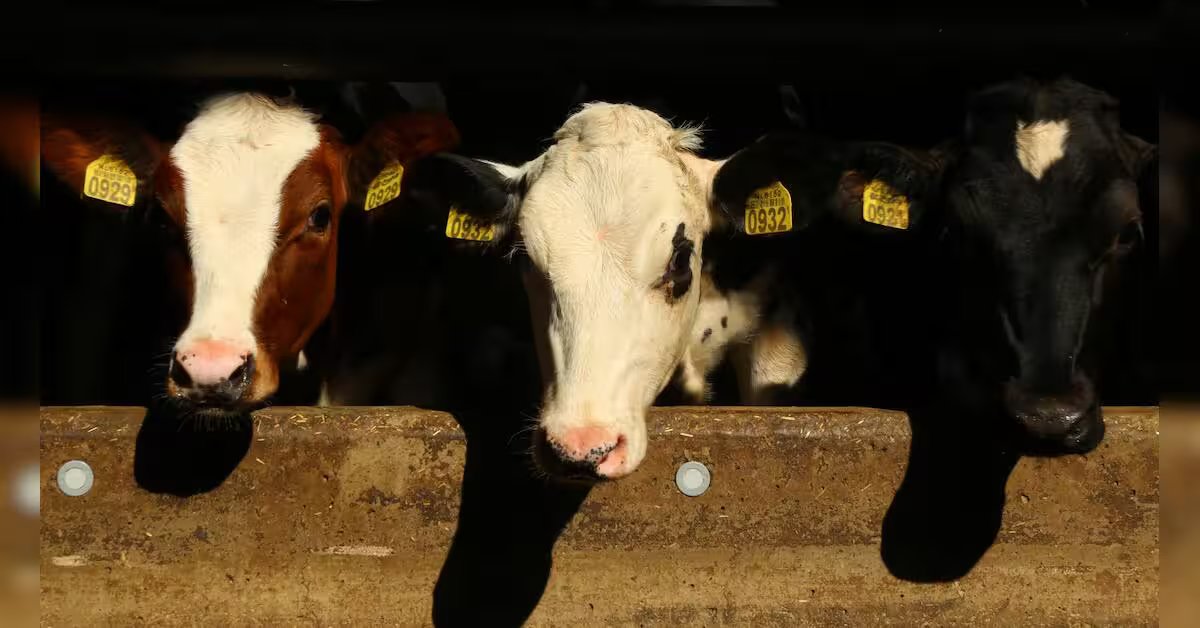
The virus primarily affects livestock, including cattle, sheep, goats, horses, and alpacas. It is transmitted through the bites of infected Culicoides midges, which are small, biting insects.
In 2026, the virus was detected in livestock in Europe for the first time, with infections reported in France, Germany, Spain, and Switzerland. Its spread among European livestock has prompted closer monitoring by animal health authorities.
What happened in France?
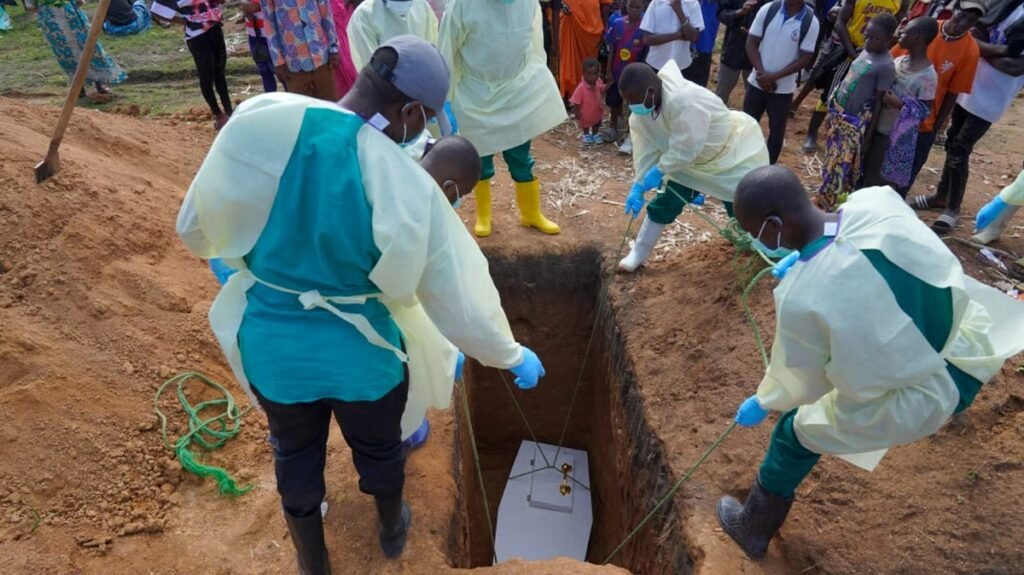
French health authorities confirmed the infection in a patient being treated for a serious underlying illness in Lyon. The patient, who was severely immunocompromised, died earlier this month. Investigations are ongoing to establish whether the virus caused or contributed to the death.
Authorities suspect the patient was infected through a midge bite in eastern France, where the virus had been circulating among animals during spring and summer 2026.
The case is significant because no human infections had previously been documented. French authorities have notified the WHO and the European Centre for Disease Prevention and Control (ECDC), which is monitoring the situation.
There is currently no evidence of human-to-human transmission. French authorities have said that no public health risk to the general population has been identified based on the available evidence.
Symptoms of Shamonda virus
The symptoms of Shamonda virus infection in humans remain unclear because this is the first documented case.
In animals, particularly cattle, reported symptoms and complications include:
- Fever and diarrhoea: Infected animals may develop these symptoms, although they are not specific to Shamonda virus
- Reduced milk production: Dairy cattle may experience a decline in milk yield
- Reproductive complications: Infection has been associated with abortions and foetal abnormalities
- Neurological complications have also been reported in some horses
Laboratory testing is needed to confirm infection because these symptoms can resemble those of other diseases.
Is there a Shamonda virus vaccine?
There is currently no commercially available vaccine against Shamonda virus, according to the World Organisation for Animal Health (WOAH). Evidence is also insufficient to establish a specific treatment protocol for human infections.
With no established pattern of human illness, doctors have limited clinical evidence to guide treatment. Further research will help determine the virus’s effects on human health and whether additional cases have occurred.