
The condition, called non-arteritic anterior ischaemic optic neuropathy (NAION), can cause sudden, painless vision loss in one eye and may lead to permanent damage. However, Indian endocrinologists say reported cases remain extremely rare in clinical practice and caution patients against stopping their medication without medical advice.
What the FDA flagged
The FDA’s decision to introduce a precautionary warning follows a review of 126 randomised controlled clinical trials involving more than 134,000 participants. The review identified 15 probable NAION cases, of which 10 occurred among people taking GLP-1 medicines and five in comparison groups.
This represents approximately 2.6 additional cases per 100,000 person-years of treatment. The FDA also reviewed real-world evidence and observational studies, which provided further support for a possible association.
Although the findings point to a possible increased risk, they do not establish that GLP-1 medicines directly cause the condition.
The World Health Organization (WHO) had earlier highlighted the possible association between semaglutide and NAION in June 2025, following the EMA’s classification of the condition as a very rare side effect.
What Indian drug labels currently say
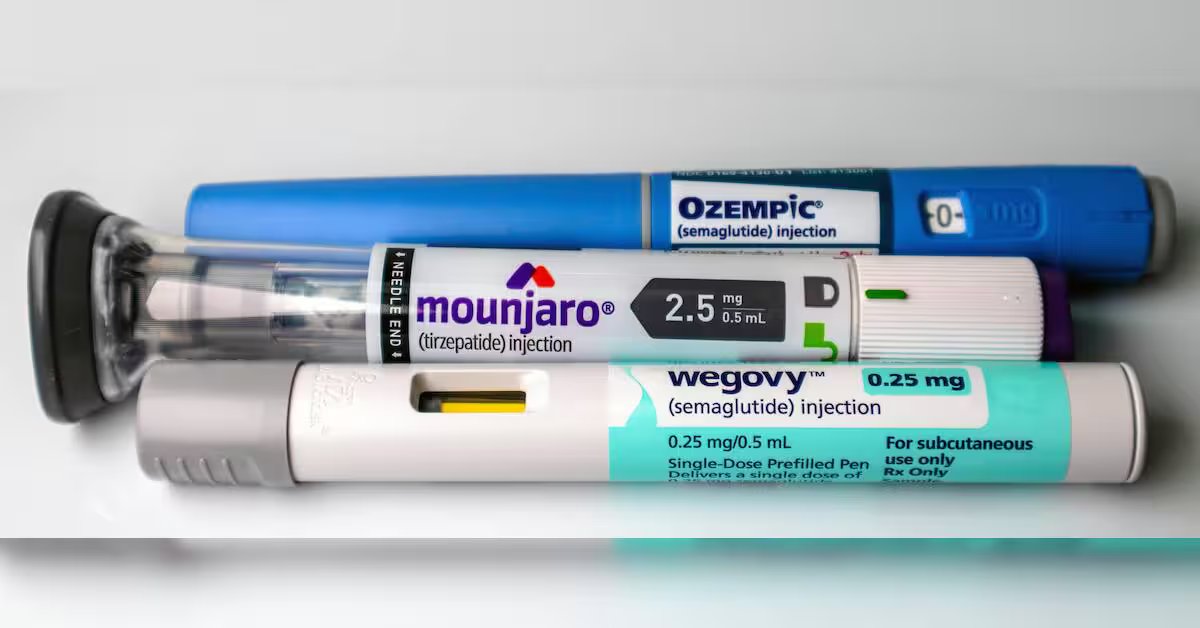
At present, Indian drug labels, including those for Wegovy, already carry warnings about several potential complications:
- Diabetic retinopathy: Patients with existing diabetic eye disease may face an increased risk of complications, particularly when blood glucose levels improve rapidly. Close monitoring is advised
- Gastrointestinal complications: Nausea, vomiting, diarrhoea, constipation, and other digestive problems are among the recognised adverse effects
- Thyroid-related risks: Prescribing information also carries warnings about thyroid C-cell tumours, based on findings from animal studies
These warnings broadly follow the safety framework adopted by international regulators, including the EMA and the US FDA. However, the specific warning about NAION is a new development in the US and is not yet reflected as a mandated warning in Indian labels
Are cases emerging in India?
India does not currently have a publicly accessible database identifying confirmed domestic cases of NAION linked to GLP-1 medicines. Indian endocrinologists also report that suspected incidents remain extremely uncommon in their clinical practice.
A recent report by BusinessLine cited an Indian endocrinologist who had encountered only one suspected case of NAION among several thousand patients treated with GLP-1 medicines.
The relatively recent expansion of GLP-1 drug use in India, following patent expirations and the entry of generic alternatives, means local safety data is still catching up.
What doctors say
Doctors say the potential risk of NAION must be considered alongside the established benefits of GLP-1 receptor agonists in managing type 2 diabetes, obesity, and associated metabolic complications.
Dr Monika Sharma, senior consultant – endocrinology at Aakash Healthcare, said, “The link to NAION is rare, and more research is needed to find the precise relationship between the drug and the eye condition.”
Dr Shibal Bhartiya, clinical director of ophthalmology at Marengo Asia Hospitals, Gurugram, said the FDA’s findings pointed to only a small increase in the absolute risk, but stressed that the condition should not be taken lightly. NAION can cause sudden, painless vision loss in one eye, which is generally irreversible, and its underlying mechanism remains unclear.
Patients with certain pre-existing conditions may require closer assessment before starting treatment. These include:
- Type 2 diabetes and uncontrolled high blood pressure
- High cholesterol and smoking
- Obstructive sleep apnoea and kidney disease
- Anaemia and a crowded optic disc, an anatomical condition that can increase susceptibility to NAION
- A previous episode of NAION in one eye, which increases the risk of the other eye being affected
For patients with a history of NAION or significant risk factors, Bhartiya recommends a joint assessment by an endocrinologist and an ophthalmologist before treatment.
Warning signs to watch for
Experts stress that patients taking GLP-1 medicines should not discontinue treatment independently. However, sudden changes in eyesight require immediate medical attention. Warning signs include:
- Sudden, painless loss of vision in one eye
- Blurred or hazy vision, particularly if it develops rapidly
- Dark patches, blind spots, or missing portions of the visual field
- Distorted colours or reduced sharpness of central vision
Prompt ophthalmological assessment is essential to establish the cause.
If NAION is confirmed, the ophthalmologist and prescribing doctor may need to reassess the treatment. The FDA recommends considering discontinuation of the GLP-1 drug unless the benefits of continuing treatment clearly outweigh the potential risks.